Have you ever wondered if you should be draining your water heater every year? It’s a common question that many homeowners find themselves asking.
Ignoring this simple task might be costing you more than you think. Not only can it affect your water heater’s efficiency, but it could also lead to costly repairs down the road. Imagine the frustration of a cold shower on a chilly morning or the unexpected expense of replacing a broken heater.
By understanding the importance of regular maintenance, you can enhance your water heater’s performance and extend its lifespan. Stay with us as we delve into why this yearly task is crucial and how it can save you time, money, and unnecessary stress.
Credit: www.americandiscountplumbing.com
Importance Of Water Heater Maintenance
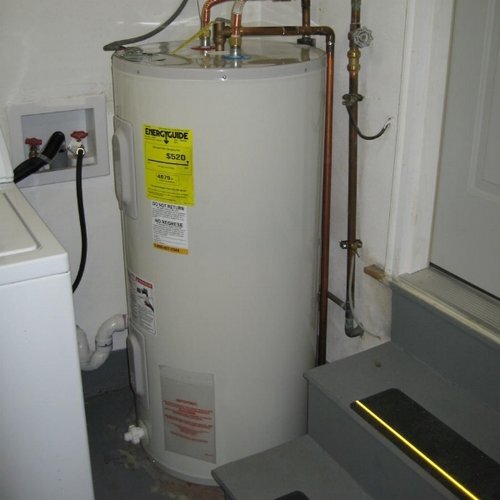
Water heaters work hard to give us hot water. They need care to last long. Draining the heater keeps it clean. It stops mineral build-up. This build-up can make heaters less efficient. It can also cause them to break.
A clean heater uses less energy. This saves money on bills. Regular care can prevent costly repairs. It helps the heater stay safe. Safety is important for every home.
Check your heater for leaks. Look for rust or strange sounds. These can be signs of problems. Maintenance keeps heaters working well. It helps them last longer.

Credit: www.tiktok.com
Signs Your Water Heater Needs Draining
Strange noises might come from the water heater. These sounds could be popping or rumbling. Sediment buildup can cause these noises. It can reduce the heater’s efficiency too. Warm water might take longer to heat up. This indicates a need for draining.
Rusty water is another sign. This means sediment is affecting the water quality. Faucets might release rusty water. Water could smell or taste weird. These are clear signs to drain the heater.
Higher energy bills could be a problem. Sediment makes the heater work harder. This uses more energy. Draining can help save money. It keeps the heater working well.
Benefits Of Annual Draining
Draining the water heater makes it work better. Sediment can slow it down. Water heats faster without sediment. This saves energy. Bills can be lower too. Your heater will be happy and healthy.
Regular draining helps your water heater last longer. Without sediment, parts don’t wear out fast. This means fewer repairs. A heater that lasts longer saves you money. Less worry about buying a new one soon.
Sediment can cause problems in your heater. It forms at the bottom. This can block pipes. Water might not flow well. Draining removes sediment. This keeps the heater clean. Clean heaters work best.
Potential Risks Of Not Draining
Sediment builds up inside the water heater. This reduces the heating capacity. Water takes longer to heat. This means less hot water for showers and dishes. The heater works harder to heat water. This can cause wear and tear.
More energy is used when the heater is full of sediment. Your energy bills may rise. The heater uses extra power to heat water. This costs more money every month. Efficient heating saves money. Draining helps keep bills low.
Corrosion can damage the heater’s tank. Sediment causes rust and wear. Corrosion can lead to leaks. Water leaks are messy and costly. Damage may need expensive repairs. Regular draining prevents corrosion and keeps the heater safe.
How To Safely Drain Your Water Heater
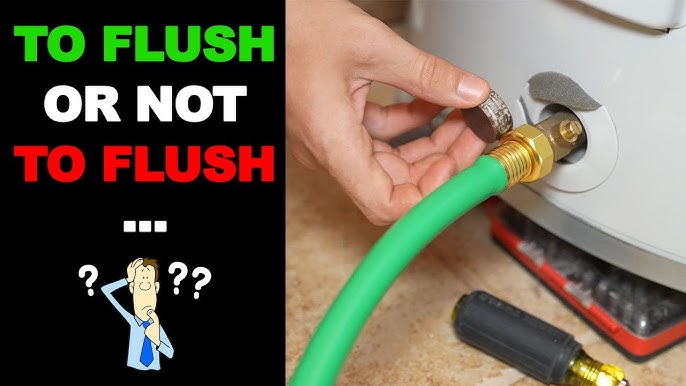
Gather necessary tools before draining. You’ll need a hose and a bucket. A wrench might be needed for tight valves. Safety goggles protect your eyes. Gloves keep hands safe from hot water.
Turn off the power or gas to the heater. Connect the hose to the drain valve. Place the other end in a bucket or outside. Open the pressure relief valve. This allows water to flow smoothly. Slowly open the drain valve. Let water flow until it’s empty. Close all valves when done.
Be cautious with hot water. It can burn skin. Wear protective gear. Keep children away during the process. Ensure the area is dry to prevent slips. Check for leaks when finished.
Alternatives To Annual Draining
Consider alternatives to annual water heater draining for better maintenance. Regular inspections and flushing every few years can prevent sediment buildup. These methods ensure efficient operation without yearly draining.
Professional Maintenance Services
Hiring a professional servicecan keep your water heater healthy. These experts know how to check for issues. They clean and maintain your heater properly. This can save you time and effort. Regular checks can help avoid big problems. They will ensure your heater works well. You can trust them to do a good job. It might cost a little, but it’s worth it.
Sediment Filter Installation
Installing a sediment filteris a smart choice. This filter catches dirt and particles. It stops them from entering your water heater. Clean water means less sediment build-up. It helps your heater last longer. Filters are easy to install and maintain. They protect your heater and improve water quality. This is a simple and effective solution.
Common Myths About Water Heater Maintenance
Many believe water heaters need yearly draining. This is a myth. Draining every year is not always needed. Mineral buildup can be a problem. Buildup can make heaters work less. Energy costs may go up. Checking the heater is smart. Look for signs of trouble. Rust or strange noises mean you should act. Professional help can be useful. Experts know what to do. They see problems early. Regular checks keep heaters safe. They last longer this way. Safety is important. Water heaters can be dangerous. Follow the guidelines for best results.
Choosing The Right Maintenance Schedule
Draining your water heater depends on several factors. Water quality is important. Hard water can cause sediment buildup. This might require more frequent draining. Usage frequency matters too. More use might mean more maintenance. Heater type also plays a role. Some heaters need less attention. Manufacturer’s guidelines should be checked. They provide specific advice.
Experts can give valuable advice. They understand different heaters well. They know the best maintenance schedules. Professionals can check for issues. They spot problems early. This can save money and time. Always ask for credentials. Ensure they are qualified and experienced. A skilled professional can extend your heater’s life.
Credit: www.youtube.com
Conclusion
Draining your water heater yearly can boost its efficiency. Sediment build-up reduces performance. Regular maintenance helps prevent costly repairs. Simple steps can extend your heater’s life. Ensure you follow manufacturer guidelines. Check for leaks or unusual noises. These might signal bigger issues.
Not sure how to do it? Consult a professional for safety. Protect your investment with proper care. A little attention goes a long way. Keep your hot water flowing smoothly. Your home and wallet will thank you.