
When it comes to maintaining your home’s comfort, the water heater plays a crucial role. But have you ever thought about the small yet vital component that helps keep it running smoothly?
The water heater drain valve might not be the first thing that comes to mind, but understanding its types can save you time, effort, and even money. Imagine avoiding unexpected leaks or costly repairs simply by choosing the right drain valve for your needs.
Whether you’re a seasoned DIY enthusiast or just looking to make informed decisions for your home, knowing the different water heater drain valve types is a game-changer. Stick around to discover which type suits your water heater best and how it can enhance your home’s efficiency. Your peace of mind could be just a valve away!
Common Drain Valve Types
When you’re dealing with water heater maintenance, the type of drain valve you choose can make all the difference. Understanding the common drain valve types helps ensure you’re making the right decision for your water heater’s longevity and efficiency. Whether you’re a DIY enthusiast or just someone who wants to save on utility bills, knowing your options is crucial.
#1: Brass Valves
Brass valves are a popular choice for many homeowners due to their durability and reliability. They are resistant to corrosion, which is essential for a component in constant contact with water. This means fewer replacements and less maintenance over time.
I once opted for a brass valve after dealing with a leaky plastic one, and the difference was significant. You will find that brass valves often have a higher upfront cost, but they can save you money in the long run by avoiding frequent replacements. Plus, their robust nature makes them an excellent choice for those who want peace of mind.
#2: Plastic Valves
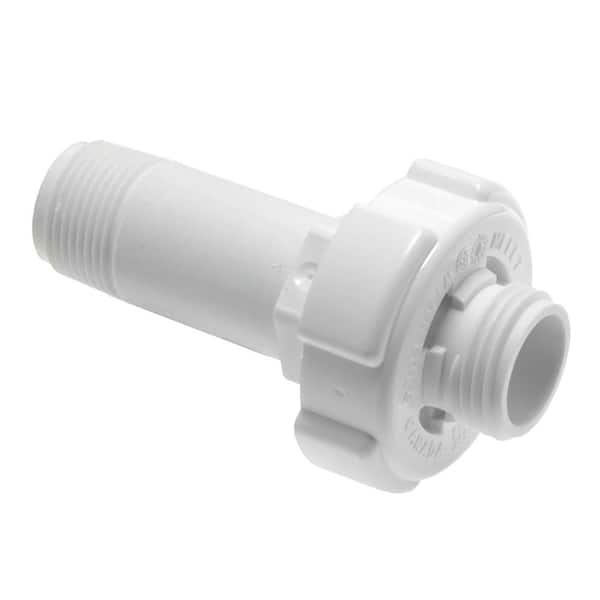
Plastic valves are another common type, and they are widely used due to their affordability. They are lightweight and easy to install, making them a favorite for quick fixes. However, their tendency to wear out faster than brass valves can be a concern.
If you’re on a tight budget, a plastic valve might be the way to go. But be prepared for potential replacements sooner than with brass. I remember the hassle of dealing with a cracked plastic valve in the middle of winter definitely not something you want to experience. Are you willing to trade off durability for cost? It’s something to consider.
Choosing between brass and plastic depends on your specific needs and circumstances. What’s more important to you: the upfront cost or long-term reliability? Your decision can impact not just your wallet, but also how often you find yourself dealing with maintenance issues.

Credit: www.uswhpro.com
Pros And Cons Of Brass Valves
Brass valves are a popular choice for water heater drain valves. They are known for their durability and reliability, but like all things, they come with their own set of pros and cons. If you’re considering upgrading your water heater, understanding the specifics of brass valves can help you make an informed decision. You might wonder, are brass valves the best choice for your home?
Durability And Lifespan
Brass valves are celebrated for their strength and resilience. They can withstand high temperatures and pressures, making them ideal for water heaters. You’ll find that they often last longer than plastic alternatives, reducing the frequency of replacements.
However, they are not invincible. Brass can corrode over time, especially if exposed to hard water. Have you ever had to deal with a stubborn, corroded valve? It’s not a pleasant task, and it’s something to consider.
Cost Considerations
Brass valves are typically more expensive than their plastic counterparts. This upfront cost might make you hesitate, but think about the long-term investment. A durable valve means fewer replacements and repairs, saving you money in the long run.
On the flip side, if budget is a concern, the initial expense can be a hurdle. Are the benefits of brass worth the extra cost for you? Weighing the upfront expense against future savings is crucial in making your decision.
In the end, choosing a brass valve for your water heater is a balancing act between durability and cost. What matters more to you: a valve that lasts or one that’s easy on the wallet? Your priorities will guide your choice.
Advantages And Disadvantages Of Plastic Valves
Plastic valves are a popular choice for water heaters. They offer several benefits but come with a few drawbacks. Understanding these can help you make the best choice for your needs.
Affordability
Plastic valves are usually cheaper than metal ones. This makes them a budget-friendly option. If you need to replace your valve, plastic is an affordable choice. Many homeowners prefer this cost-effective solution. It saves money without compromising function.
Impact On Longevity
Plastic valves may not last as long as metal ones. They can wear out faster. Heat and pressure can affect their durability. Longevity is a concern for many users. Regular checks are important to avoid leaks or damage. Consider this when choosing your valve type.
Installation Tips
Choosing the right water heater drain valve type can prevent leaks and ensure efficient drainage. Brass valves offer durability, while plastic ones are cost-effective. Regular inspection and timely replacement can extend your water heater’s lifespan.
Installing a water heater drain valve can seem daunting, but with the right guidance, it becomes a manageable task. Whether you’re replacing an old valve or setting up a new one, understanding the process is crucial. Let’s dive into some practical tips that can make your installation smooth and efficient.
Safety Precautions
Safety should be your top priority when working with water heaters. Begin by turning off the power supply to your heater to avoid any electrical hazards. If your heater is gas-powered, turn off the gas line as well. Ensure the water in the tank has cooled down before you start. Hot water can cause burns, so give it a few hours to settle. Always wear protective gloves and goggles for added protection.
Tools Required
Having the right tools at hand can make the installation process much easier.
You will need a wrench to loosen and tighten the valve. A screwdriver might come in handy for any additional fittings or adjustments.
A bucket or a hose can be used to drain any remaining water from the tank.
Keep some Teflon tape or pipe sealant nearby to ensure a tight, leak-free fit. Remember, the right tools are half the job done.
Does the thought of using tools intimidate you? Try practicing with them before starting the installation. Familiarity can boost your confidence and efficiency. Installing a water heater drain valve doesn’t have to be a complex task.
Maintenance Practices
Proper maintenance of water heater drain valves extends their lifespan. It also ensures efficient performance. Regular care reduces the risk of leaks and costly repairs. Understanding maintenance practices can save time and money.
Regular Inspections
Inspect drain valves every few months. Look for signs of wear or damage. Check for leaks around the valve area. Ensure the valve opens and closes smoothly. A stiff valve may need lubrication or replacement.
Cleaning Procedures
Clean the valve to prevent mineral buildup. Use a soft brush to remove debris. Flush the valve with water to clear sediment. Sediment can block the valve function. This affects water heater efficiency.
If the valve is clogged, it may require professional cleaning. Regular cleaning keeps the valve in optimal condition. Avoid harsh chemicals that can damage valve components.
Credit: www.homedepot.com
Troubleshooting Common Issues
Water heater drain valves can sometimes have problems. These issues might cause leaks or stoppages. Understanding common problems helps in fixing them quickly. Regular checks prevent major damage and costly repairs.
Leak Detection
Leaks often occur due to worn-out seals or loose fittings. Check for water puddles around the heater base. Look for moisture on the valve itself. Use a flashlight to spot tiny drips. Tighten loose connections using a wrench. Replace seals that appear cracked or damaged.
Replacement Guidelines
If the valve is beyond repair, consider replacing it. Turn off the water supply first. Drain the tank completely before starting. Use a wrench to remove the old valve. Ensure the new valve matches the old one. Tighten it securely to avoid future leaks. Test the new valve by slowly refilling the tank.
Choosing The Right Valve
Choosing the right water heater drain valve is crucial for ensuring efficient performance and longevity of your water heater. If you’ve ever faced the frustration of a leaky valve or struggled with draining your water heater, you know how important this decision can be. But with various types available, how do you determine which one suits your needs? Let’s dive into the considerations that will help you make the best choice.
Assessing Needs
First, think about what you need from a drain valve. Is ease of use your priority? Do you need a valve that ensures no leakage over time? Consider the type of water heater you have and the space available for installation. If your water heater is in a tight spot, a compact valve might be ideal.
Reflect on your past experiences. Have you had issues with plastic valves cracking? Maybe opting for a brass valve would be wise. Each type has its pros and cons, so understanding your specific requirements is key.
Budget Considerations
Your budget plays a significant role in choosing the right valve. Brass valves tend to be more durable but are often pricier than plastic ones. If you’re planning to stay in your home for years, investing in a high-quality valve could save you money in the long run.
However, if you’re on a tight budget, there are reliable plastic options that can serve well for short-term needs. Weigh the cost against the benefits to find a balance that suits your financial situation.
Have you ever regretted skimping on a household fixture? Sometimes spending a bit more upfront can prevent costly repairs later. Consider this as you evaluate your options.
Ultimately, choosing the right water heater drain valve involves assessing your needs and budget carefully. By focusing on what matters most to you, you can make a decision that ensures peace of mind and optimal performance. What will your choice be?
Are All Hot Water Heater Drain Valves The Same?
Not all hot water heater drain valves are the same. They differ in material, size, and design. Common materials include brass, plastic, and stainless steel.
Choose a valve that matches your heater’s specifications for optimal performance. Proper selection ensures efficient drainage and longevity of your water heater system.
Why Is Water Coming Out Of My Water Heater Drain Valve?
Water may leak from the heater drain valve due to a faulty valve or sediment buildup. Regular maintenance helps prevent issues. If leaking persists, consider replacing the valve to avoid further damage.
Always ensure your water heater is properly installed and maintained to maximize its efficiency and lifespan.
What Are The Different Types Of Water Heater Valves?
Water heater valves include gate valves, ball valves, check valves, pressure relief valves, and thermostatic mixing valves. Each type serves a distinct function, ensuring safe and efficient water heater operation.
Proper valve selection can optimize performance and prevent leaks or damage.
Should I Open The Pressure Relief Valve To Drain The Water Heater?
No, do not open the pressure relief valve to drain the water heater.
Use the drain valve instead. Opening the pressure relief valve can cause damage or malfunction, compromising safety. Always follow the manufacturer’s guidelines for proper maintenance and draining procedures.