
Have you ever faced the unsettling moment when your water heater suddenly stops working, leaving you with an unexpected cold shower? It’s a scenario nobody wants to deal with, especially on a chilly morning or after a long day.
The culprit might just be a tiny component you might have overlooked – the water heater thermostat reset button. Understanding its role and how it can come to your rescue can save you time, stress, and money. Imagine transforming this frustrating interruption into a quick and easy fix.
Curious about how this little button can be a game-changer for your home comfort? Keep reading to discover the secrets behind your water heater’s thermostat reset button and learn how to master it like a pro.
Common Thermostat Issues
Water heater thermostats often face problems that impact efficiency. These issues can lead to cold showers and energy waste. Understanding common thermostat issues helps in solving them quickly.
Signs Of Thermostat Malfunction
Cold water is a clear sign of a thermostat issue. Inconsistent water temperature also indicates trouble. If the reset button frequently trips, it may signal a malfunction. Unusual noises from the heater can be another sign. High energy bills sometimes point to thermostat problems. These symptoms need attention to prevent further damage.
Causes Of Thermostat Problems
Electrical faults often cause thermostat issues. Loose wiring can disrupt the thermostat function. Sediment buildup affects thermostat efficiency. Age and wear also lead to malfunction. Faulty installation might cause thermostat problems too. Regular maintenance helps prevent most issues.
Locating The Reset Button
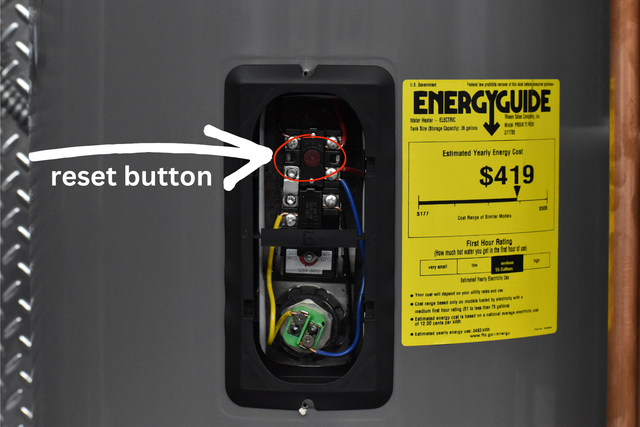
Finding the water heater thermostat reset button is simple. Usually located behind a panel, it’s often red or black. Press to restore function if your heater stops working efficiently.
Locating the reset button on your water heater might seem like a daunting task, especially if you’ve never had to do it before. However, understanding its location and purpose can save you from unnecessary headaches. Whether you’re dealing with an unexpected cold shower or just performing routine maintenance, knowing where to find this small yet crucial component is key.
Types Of Water Heaters
There are several types of water heaters, each with unique features. The most common ones include electric, gas, and tankless water heaters.
Each type has a reset button, but their locations can vary. Electric water heaters are widely used in homes and typically come with a reset button located near the thermostat.
Gas water heaters, on the other hand, often have the reset button integrated into the control panel.
For tankless water heaters, the reset button might be found on the unit’s front panel or within the digital interface.
Reset Button Locations
Finding the reset button can be straightforward if you know where to look. On an electric water heater, you usually need to remove a small panel on the side to access the thermostat and reset button.
It’s often a red button nestled behind the insulation. For gas water heaters, the reset button is typically part of the control panel. This panel is generally located on the lower front of the heater. You might need to refer to the user manual for specific guidance. Tankless water heaters can be a bit different.
They often have a reset button on the front or within a digital display. If you’re struggling to find it, consulting the manual or contacting the manufacturer can provide clarity.
Have you ever found yourself scrambling to locate the reset button in a hurry? Knowing these locations can save precious time and keep your water heater running smoothly. Always ensure the power is off before attempting to reset your water heater. This safety step is crucial to avoid any electrical hazards.
Step-by-step Reset Process
Resetting your water heater thermostat might seem daunting, but it’s a straightforward process when broken down into simple steps. Whether you’re trying to restore your shower’s warmth or save on energy bills, knowing how to reset can be a lifesaver. You’ll be glad to know that with a few precautions and clear instructions, you can tackle this task with confidence.
Safety Precautions
Before diving into the reset procedure, ensure your safety. Always turn off the power to your water heater at the circuit breaker. This prevents any electrical accidents while you’re working.
Wearing rubber-soled shoes can protect you from potential shocks. Remember, safety first can prevent costly mistakes later.
Reset Procedure
Locate the thermostat reset button on your water heater. It’s usually red and can be found behind the panel on the front of your unit.
Press the reset button firmly. You should hear a click, indicating that the reset has been successful.
Restore power to your water heater at the circuit breaker. Wait a few minutes, then test the hot water. If it’s heating properly, congratulations, you’ve done it!
Isn’t it empowering to fix something yourself? What was once a cold shower can quickly transform into a warm relief, just by following these steps. Have you reset your thermostat before, and did it make a noticeable difference? Share your experiences and tips with us!
Credit: www.uswhpro.com
Troubleshooting After Reset
Resetting a water heater thermostat can sometimes solve issues. It helps restore normal functionality. Yet, problems might persist. Understanding what to do next is crucial. Begin by checking for any signs of trouble.
Inspect the water heater closely. Look for leaks or unusual noises. These could signal deeper issues. Addressing these promptly is essential for safety.
Sometimes, problems continue after a reset. Water might still be cold. The thermostat could be faulty. Inconsistent temperatures also indicate persistent issues. Check for tripped circuit breakers. This could cause the water heater to malfunction.
Look at the heating elements. They could be damaged or worn out. Replacing these might solve the problem. A malfunctioning thermostat can also be a culprit. Consider testing it for accuracy. Faulty wiring could be another issue to explore.
Professionals ensure safety and efficiency. They can replace faulty components correctly. They also provide valuable maintenance tips. Regular check-ups can prevent future problems.
Preventive Measures
Resetting the water heater thermostat is crucial for safety. It prevents overheating and potential damage. Regularly check and reset the button to maintain efficiency and protect your home from hazards.
When it comes to maintaining the longevity and efficiency of your water heater, preventive measures play a crucial role. Taking proactive steps can save you money and prevent inconvenient breakdowns. Let’s dive into some practical tips to keep your water heater thermostat reset button in top shape.
Regular Maintenance Tips
Regular maintenance is key to avoiding unexpected issues with your water heater. Begin by checking your thermostat settings every few months. Ensuring the temperature is set correctly can prevent overheating and unnecessary wear.
Make it a habit to inspect your water heater for any signs of leaks or corrosion. A simple visual check can reveal potential problems before they escalate. If you notice rust or puddles, it might be time to call a professional. Flushing your water heater tank annually can significantly extend its lifespan.
Sediment buildup can affect performance and energy efficiency. Draining a few gallons from the tank regularly can help reduce this buildup.
Upgrading Your Thermostat
If your water heater is older, consider upgrading your thermostat to a more modern, programmable model. Newer thermostats can offer better temperature control and energy efficiency. This small change can lead to noticeable savings on your utility bills. Think about your household’s hot water usage patterns.
A programmable thermostat allows you to adjust the temperature during hours when hot water demand is lower. This can prevent the need for frequent resets and reduce overall energy consumption. Don’t forget to ensure compatibility before purchasing a new thermostat.
Consulting your water heater’s manual or a professional can guide you in choosing the right model. Investing in the right upgrade can enhance your system’s performance significantly. Have you ever had to deal with a water heater malfunction at the worst possible time? Taking these preventive steps can help you avoid such frustrating experiences. Remember, a little attention now can save you a lot of trouble later.
Conclusion
Resetting your water heater thermostat can solve many heating issues. It’s a simple task that ensures your water heater works efficiently. Always follow safety precautions when resetting the button. Check the thermostat regularly to prevent future problems. If problems persist, consult a professional for help.
Regular maintenance can extend your water heater’s lifespan. Save time and money by keeping your heater in top shape. Remember, a well-functioning water heater means warm water whenever you need it. Stay proactive, and enjoy consistent hot water supply.