Imagine stepping into a shower and being greeted by the perfect water temperature every single time. Sounds like a dream, right?
Well, understanding and optimizing your water heater’s dual thermostat settings can make this dream a reality. If you’ve ever experienced the frustration of a too-hot or too-cold shower, you’re not alone. The good news is, by tweaking these settings, you can enjoy comfort, efficiency, and even save on your energy bills.
This article will guide you through everything you need to know about dual thermostat settings for your water heater. So, if you’re ready to transform your daily shower experience and gain control over your home’s energy use, keep reading. Your ideal water temperature is just a few clicks away.
Understanding Dual Thermostat Functionality
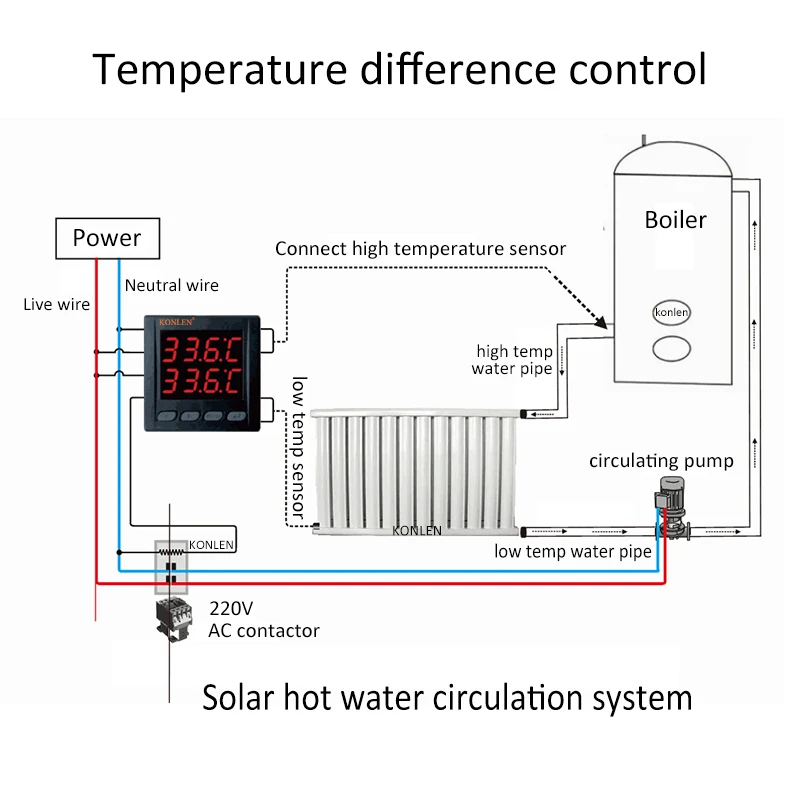
Water heater dual thermostat settings offer precise control over water temperature. They ensure consistent hot water throughout your home. Understanding how these thermostats work is key to optimizing their performance.
How Dual Thermostats Work
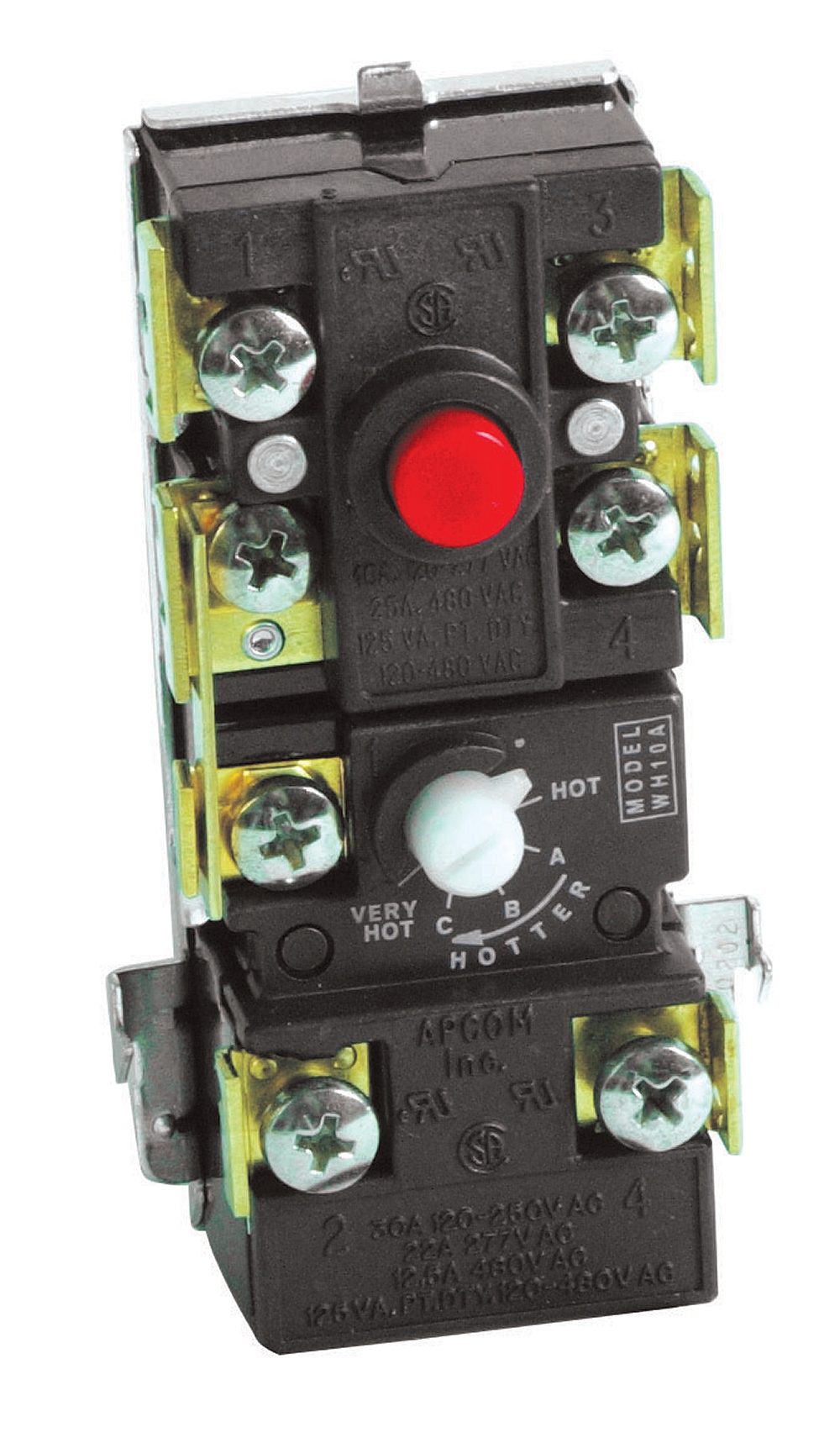
Dual thermostats control two heating elements inside the water heater. The top thermostat manages the upper element. It heats water quickly for immediate use. The bottom thermostat controls the lower element. This keeps water hot for longer durations.
Both thermostats coordinate to maintain water temperature. If you draw hot water, the top element activates. It heats new water coming into the tank. Once the upper water is hot, the lower element engages. This ensures a steady supply of hot water.
Benefits Of Dual Thermostat Systems
Dual thermostat systems enhance energy efficiency. They reduce energy use by heating water only when needed. This lowers your utility bills. They also extend the life of your water heater. Balanced heating prevents wear on heating elements.
These systems provide consistent hot water. No more sudden cold showers. They ensure comfort for your household. Dual thermostats also offer temperature control. You can set the water temperature to your preferred level. This adds safety by preventing scalding risks.
Credit: www.aliexpress.com
Factors Affecting Thermostat Settings
Setting the thermostat on your water heater can be tricky. It’s not just about finding the right temperature. Several factors affect the ideal settings. Understanding these can help you optimize performance and save energy.
Household Size And Usage
The size of your household influences thermostat settings. A larger family uses more hot water. This requires a higher setting. For smaller households, a lower setting often suffices. Usage patterns also matter. Frequent showers or baths increase hot water demand. Cooking and laundry routines play a role too. Adjust thermostat settings according to these habits.
Climate And Seasonal Changes
Climate impacts water heater settings significantly. In colder regions, water cools faster. This necessitates higher thermostat settings. Warmer climates might need lower settings. Seasonal changes also affect settings. Winter months demand more heat. While summer might need less. Adjust settings as seasons change. This ensures comfort and efficiency throughout the year.
Steps To Adjust Thermostat Settings
Adjusting the thermostat settings on your water heater can improve energy efficiency. It helps you maintain a comfortable water temperature. This guide will walk you through the steps to safely adjust your dual thermostat settings.
Safety Precautions
Always turn off the power supply to the heater before adjusting. Wear insulated gloves to protect yourself from electric shock. Ensure the area around the heater is dry. This prevents any risk of slipping or electrical hazards.
Tools Required For Adjustment
Gather a screwdriver and a voltage tester. The screwdriver is used to remove the thermostat cover. The voltage tester ensures the power is off. You may need a flashlight for better visibility.
Step-by-step Adjustment Process
First, locate the thermostat panel on your heater. Use the screwdriver to remove the panel cover. Test for voltage with your tester to confirm power is off. Next, find the two thermostats inside. Each thermostat controls different water heater zones.
Adjust the upper thermostat by turning the dial to your desired setting. Do the same for the lower thermostat. Make sure both dials are set similarly for consistent temperature. Replace the thermostat cover with the screwdriver. Finally, restore power and check the water temperature.
Ideal Temperature Settings
Adjusting the water heater’s dual thermostat ensures comfort and safety. Set upper thermostat around 120°F to prevent scalds. Lower thermostat at 110°F can save energy, balancing heat and efficiency.
Finding the ideal temperature settings for your water heater can be a game-changer in both comfort and savings. Setting the right temperature ensures you have hot water when you need it while also keeping energy consumption in check.
But what temperature should you aim for? Let’s dive into some recommended settings that balance efficiency and comfort.
Recommended Temperatures For Efficiency
A temperature setting of around 120°F is often recommended for optimal efficiency. This temperature is warm enough for most household needs and helps reduce the risk of scalding. It also prevents bacterial growth in the tank, ensuring safe water for your family.
Think about the last time you adjusted your water heater. Did you set it higher just to enjoy a longer hot shower? While a higher temperature might seem appealing, it can lead to higher energy bills. Lowering the thermostat can make a noticeable difference in your monthly expenses.
Balancing Comfort And Energy Savings
Striking the right balance between comfort and energy savings requires a bit of experimentation. You might prefer slightly warmer water, especially during colder months. Try adjusting your thermostat in small increments to find a setting that suits your preference without sacrificing efficiency.
Consider the needs of your household. If you have young children or elderly family members, keeping the temperature at a safe level is crucial.
Ask yourself: is it worth paying more for the luxury of hotter water, or could you compromise slightly for better savings? Your water heater settings can be a silent contributor to your energy bill. By taking the time to adjust it, you can enjoy both a comfortable home and a cost-effective lifestyle.
Common Mistakes To Avoid
Incorrect thermostat settings can lead to uneven heating and higher energy bills. Avoid setting both thermostats at drastically different temperatures. This mistake can cause the heater to work harder and wear out faster.
When it comes to setting your water heater’s dual thermostat, a few common mistakes can lead to inefficiencies or even safety hazards. Understanding these pitfalls not only ensures your water heater functions optimally but also protects you and your loved ones from potential risks. Let’s dive into the errors you should be mindful of as you adjust your water heater settings.
Overheating Risks
Setting the thermostat too high can lead to overheating, which poses a serious safety risk. Scalding hot water can cause severe burns within seconds. It’s crucial to keep the thermostat at a safe temperature, typically around 120°F (49°C), to prevent accidents.
Overheating also stresses the water heater, potentially shortening its lifespan. If your water heater is working harder than necessary, it could lead to increased energy bills as well. Think about the last time you adjusted your thermostat. Did you aim for hotter water without considering the risks? Keep safety in mind and resist the urge to crank it up too high.
Ignoring Manufacturer Guidelines
It’s easy to overlook the manufacturer’s instructions, but they are there for a reason. Each water heater model has specific requirements for optimal performance and safety. Ignoring these guidelines can void your warranty and lead to costly repairs. These instructions often contain valuable tips on maintaining energy efficiency.
By following them, you can save money and extend the life of your appliance. Have you ever skipped reading the manual, thinking it wasn’t necessary?
Next time, take a moment to review those guidelines. It could save you from potential headaches and expenses down the line. Taking these precautions helps you avoid common pitfalls and ensures your water heater operates safely and efficiently. What steps will you take today to ensure your water heater settings are just right?
Credit: sutherlands.com
Maintaining Optimal Performance
Adjusting dual thermostat settings on your water heater ensures efficient energy use and consistent hot water supply. Proper settings reduce energy waste and extend the appliance’s lifespan. Keep temperatures balanced for safety and comfort.
Maintaining optimal performance of a water heater is crucial. Dual thermostat settings ensure efficient heating. Regular checks and adjustments help maintain this efficiency.
Regular Maintenance Tips
Regular maintenance is key to optimal performance. Check the thermostat settings often. Ensure they match the recommended levels. Clean the area around the water heater. Remove any dust or debris. Inspect the wiring for any signs of damage. Tighten loose connections carefully.
Listen for unusual noises during operation. This may indicate issues. Schedule professional inspections annually. This helps catch potential problems early.
Signs Of Thermostat Malfunction
Watch for signs of thermostat malfunction. Water temperature fluctuations are a common sign. Inconsistent hot water supply may occur.
Sudden changes in energy bills can indicate issues. Unusual noises from the heater could be a warning. A longer heating time suggests a problem. Check for visible damage to the thermostat. If any signs appear, seek professional help. Prompt action prevents further damage.
Innovations In Thermostat Technology
Innovations in thermostat technology are transforming water heaters. These advancements improve energy efficiency and user convenience.
Traditional thermostats are giving way to smarter options. They offer precise control over water temperature. Dual thermostat settings allow for customized temperature management. This innovation reduces energy consumption and enhances comfort. Let’s explore some key advancements.
Smart Thermostats And Connectivity
Smart thermostats are gaining popularity in homes. These devices connect to Wi-Fi networks. This connectivity allows remote control via smartphones.
Users can adjust settings from anywhere. Instant alerts notify users of changes or issues. Smart thermostats optimize energy usage. They learn user preferences and set efficient schedules. Integration with home automation systems is seamless. These features bring convenience and savings.
Future Trends In Water Heater Efficiency
Future trends focus on enhancing efficiency. Advanced sensors monitor water temperature closely. Automatic adjustments minimize energy waste. Predictive algorithms anticipate usage patterns.
These systems provide pre-heating based on user habits. Integration with renewable energy sources is possible. Solar or wind power can assist heating. Future designs promise sustainable energy solutions. Improved insulation reduces heat loss. This leads to lower electricity bills.
Conclusion
Adjusting your water heater’s dual thermostat settings can save energy. This helps reduce your electricity bill. Ensure both thermostats are set correctly for efficiency. A balanced setting provides consistent hot water. It’s important for comfort and safety. Regular checks prevent potential issues.
This simple task can extend your heater’s life. Always follow the manufacturer’s guidelines. Consider professional help if unsure. Correct settings enhance performance. You enjoy hot water without waste. It’s a small change with big benefits. So, take control of your water heating today.
Your wallet and environment will thank you.