
Have you ever turned on your shower, expecting a refreshing blast, only to be met with a disappointing trickle? Low water pressure can be a daily annoyance, turning simple tasks into frustrating chores.
You might have tried checking the pipes or calling a plumber, but what if the culprit is lurking in an unexpected place—your water heater? Yes, that essential appliance keeping your showers warm might also be behind your water pressure woes.
Intrigued? Before you rush to conclusions or call for repairs, let’s uncover how this key household device can impact your water flow. Stay with us, and you’ll discover practical insights and solutions that could restore the robust water pressure you desire.
Credit: bfplumbingbayarea.com
Causes Of Low Water Pressure
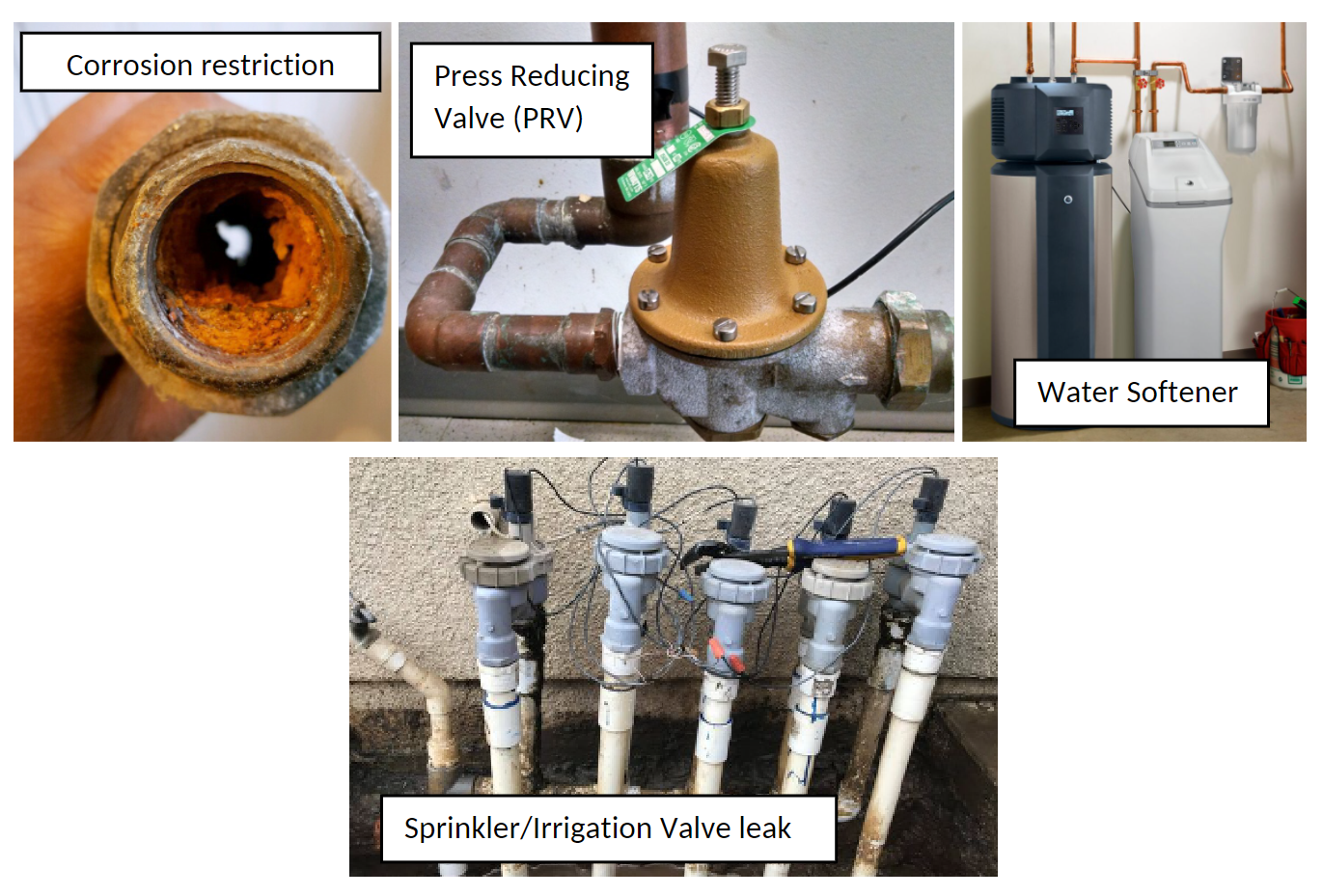
Old pipes can block water flow. Rust and dirt make pipes narrow. This stops water from moving fast. Leaks in the pipes also lower water pressure. Water escapes before it reaches the tap. Blocked faucets can slow water down. Dirt in the faucet stops water from flowing freely. Valves that are not open all the way can limit water flow. Adjust them to improve pressure.
Low water supply from the main source affects pressure. If many people use water at once, pressure drops. Water heaters can cause low pressure. If they are old or broken, they may slow water down. Water meters that are too small can limit water flow. Check the meter size for better pressure.
Role Of Water Heater
A water heater can sometimes affect water pressure. If it is old, it might have sediment build-up. This can block water flow. A clogged pipe can reduce pressure too. A small water heater might not supply enough water. It can lead to low pressure. Always check for leaks. A leak can cause low pressure. Ensure the temperature and pressure valve is working. This valve helps in maintaining pressure.
Many things can go wrong with a water heater. Sediment build-up is common. It happens over time. Heating element failure can also occur. This can cause water not to heat properly. A faulty thermostat is another problem. It can make water too hot or cold. Rusty water might mean the tank is corroding. This is not safe. Always check for leaks. They can cause damage and low pressure. Regular checks help keep your heater in good shape.
Identifying Water Heater Related Issues
A water heater can show signs of trouble. One sign is no hot water. This means the heater is not working well. Another sign is strange noises. If you hear sounds like banging, it’s not normal. The water might also look rusty. This is a problem. Rusty water can come from inside the heater. A leak around the heater is also bad. This can cause damage.
Low water pressure can be a big issue. Water might just trickle from the tap. This makes it hard to wash hands or dishes. Shower water might feel weak. This can make showers unpleasant. The cause might be a blocked pipe. Debris or minerals can block water flow. A faulty water heater can also reduce pressure. It can slow the flow to taps and showers.
Credit: www.swwc.com
Troubleshooting Low Water Pressure
Low water pressure might come from the water heater. Look at the valves. Are they open? Closed valves can reduce water flow. Check the heater’s temperature setting. Too hot can cause pressure problems. Inspect the filters. Clogged filters slow water. Clean them regularly. Look for leaks. Leaks can cause pressure drops. Fix any leaks you find. Check the heater’s size. Is it big enough? Small heaters struggle with pressure. Consider upgrading if needed.
Plumbing issues affect water pressure too. Check the pipes. Are they rusted? Rust blocks water flow. Replace old pipes. Inspect the connections. Loose connections might cause leaks. Tighten them carefully. Look for bends. Bends slow water down. Straighten pipes where possible. Check for clogs. Clogs reduce pressure. Clean pipes often. Ensure pipes are the right size. Small pipes restrict water. Bigger pipes help more water pass through.
Solutions And Remedies
Sometimes, a water heater can be the reason for low water pressure. Fixing it might solve the problem. First, check the heater for any leaks or damage. If there are leaks, it might need a repair. A damaged heater may need replacing. New heaters can give better water pressure. Always check the manual for instructions. Follow safety tips when repairing.
Plumbers are experts in fixing water issues. They can find the problem fast. A plumber checks all parts of the water system. They look for clogs or blockages. These blockages can cause low water pressure. Plumbers have the right tools to fix these issues. Hiring a licensed plumber is a good idea. They have the experience needed to fix your problem.

Credit: www.cooltoday.com
Preventive Measures
A water heater can sometimes cause low water pressure due to sediment buildup or a faulty valve. Regular maintenance checks help identify and fix these issues early. Ensuring your water heater is in top condition can prevent pressure problems.
Regular Maintenance Tips
Keeping your water heater clean is important. Sediment can build up over time. This can block water flow. Drain the tank every six months. This will help remove the sediment. Check the pressure relief valve. Make sure it works well. A faulty valve can cause low pressure. Insulate the pipes. This helps keep the water warm. It also prevents energy loss.
Upgrading Water Heater Systems
Sometimes, a new water heater is needed. Older models may not work well. Tankless water heaters can be a good choice. They heat water when you need it. This helps maintain good pressure. Choose the right size for your home. A small heater might not be enough.
Frequently Asked Questions
What Is Causing My Water Pressure To Be Low?
Low water pressure can result from clogged pipes, faulty pressure regulators, or municipal supply issues. Ensure valves are fully open and check for leaks. Regular maintenance and inspections help prevent pressure problems. Contact a professional if the issue persists for proper diagnosis and repair.
Who Is Responsible For Low Water Pressure?
The local water supplier typically handles low water pressure issues. Homeowners should check for leaks or clogged pipes. A plumber can help if the problem persists. Regular maintenance and inspections can prevent pressure problems. Contact your water provider for guidance if pressure remains low.
Why Is My Shower Hot Water Pressure Low But Cold Fine?
Low hot water pressure in your shower often results from a clogged showerhead or sediment buildup in pipes. Check the water heater for issues like a faulty pressure valve. Ensure the hot water shut-off valve is fully open. Consult a plumber if the problem persists.
How To Fix Low Water Pressure After Water Heater Replacement?
Check for clogged pipes or valves. Ensure the water heater’s inlet and outlet valves are fully open. Inspect the aerators on faucets for blockages. Verify there are no leaks in your plumbing system. Consider consulting a professional plumber for comprehensive assessment and repair.
Conclusion
A faulty water heater can sometimes lower water pressure. Check for leaks or sediment buildup. These issues often restrict flow. Regular maintenance helps avoid such problems. Inspect your water heater often. Replace old parts when needed. This ensures smooth water flow.
Consult a professional for persistent issues. Proper care keeps your system efficient. Your showers remain strong and satisfying. Remember, a well-maintained heater benefits your home. Keep everything running smoothly with simple checks. Stay proactive, and enjoy consistent water pressure. Your plumbing will thank you.