
Is your water heater still leaking even after you’ve shut it off? That can be frustrating and worrying.
You might wonder if it means a bigger problem or if you need to call a professional right away. Don’t ignore it—your home and safety could be at risk. You’ll learn why your water heater might keep leaking, what you can do about it, and when it’s time to take action.
Keep reading to protect your home and avoid costly repairs.
Page Contents
Common Leak Sources
Water heaters can leak even after you shut them off. Knowing where leaks start helps fix the problem fast. Common leak sources include the tank, plumbing connections, valves, and drain parts. Each spot has its own reason for leaking. Checking these areas can save time and money.
Tank Corrosion
Corrosion inside the tank is a top cause of leaks. Rust wears down the metal walls over time. Small holes or cracks can form. Water escapes through these weak spots. Older tanks are more likely to have corrosion issues. Regular inspection helps catch rust early.
Loose Plumbing Connections
Connections between pipes and the heater may loosen. Vibrations and heat cause fittings to shift. Water can drip from these loose joints. Tightening the connections often stops leaks. Check all visible pipes around the heater.
Faulty Pressure Relief Valve
The pressure relief valve releases excess pressure safely. A faulty valve can leak water continuously. Mineral buildup or damage causes valve failure. Replacing a bad valve prevents water loss. Test the valve to ensure it works well.
Drain Valve Issues
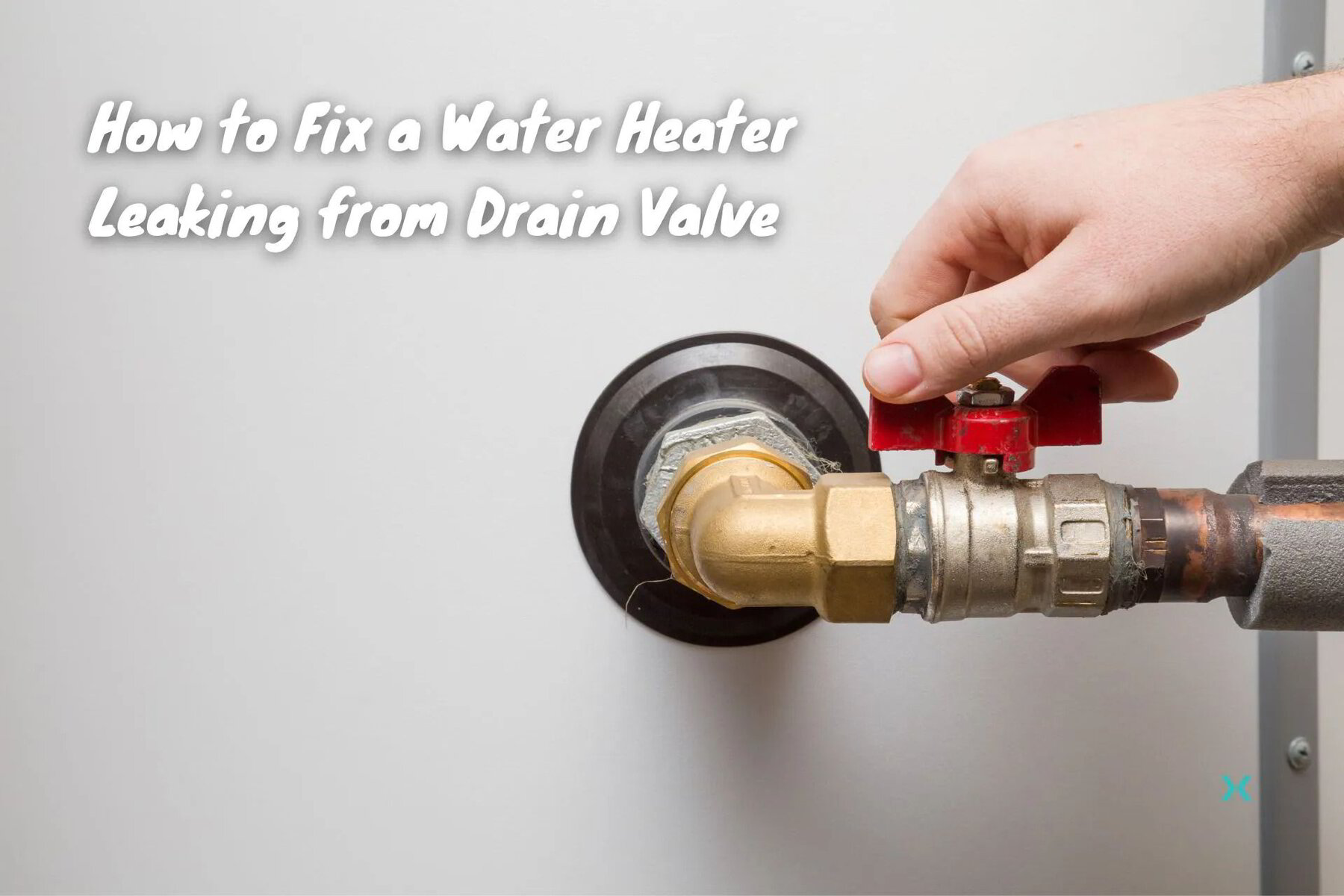
The drain valve helps empty the tank for maintenance. If not closed tightly, it can drip or leak. Over time, valve seals may wear out. Leak from the drain valve is often easy to spot. Replacing or tightening the valve stops leaks quickly.
Diagnosing The Leak
Finding the source of a water heater leak can be tricky. The leak might still happen even after shutting off the water supply. To fix the problem, start by diagnosing the leak carefully. This helps avoid bigger damage and costly repairs.
Checking Around The Tank
Look closely at the tank’s surface. Spot any wet spots or rust stains. These signs show where water escapes. Check the bottom of the tank for puddles. Small leaks often appear near the base. Clean the area to see fresh drops form. This step helps you find slow leaks fast.
Inspecting Valves And Fittings
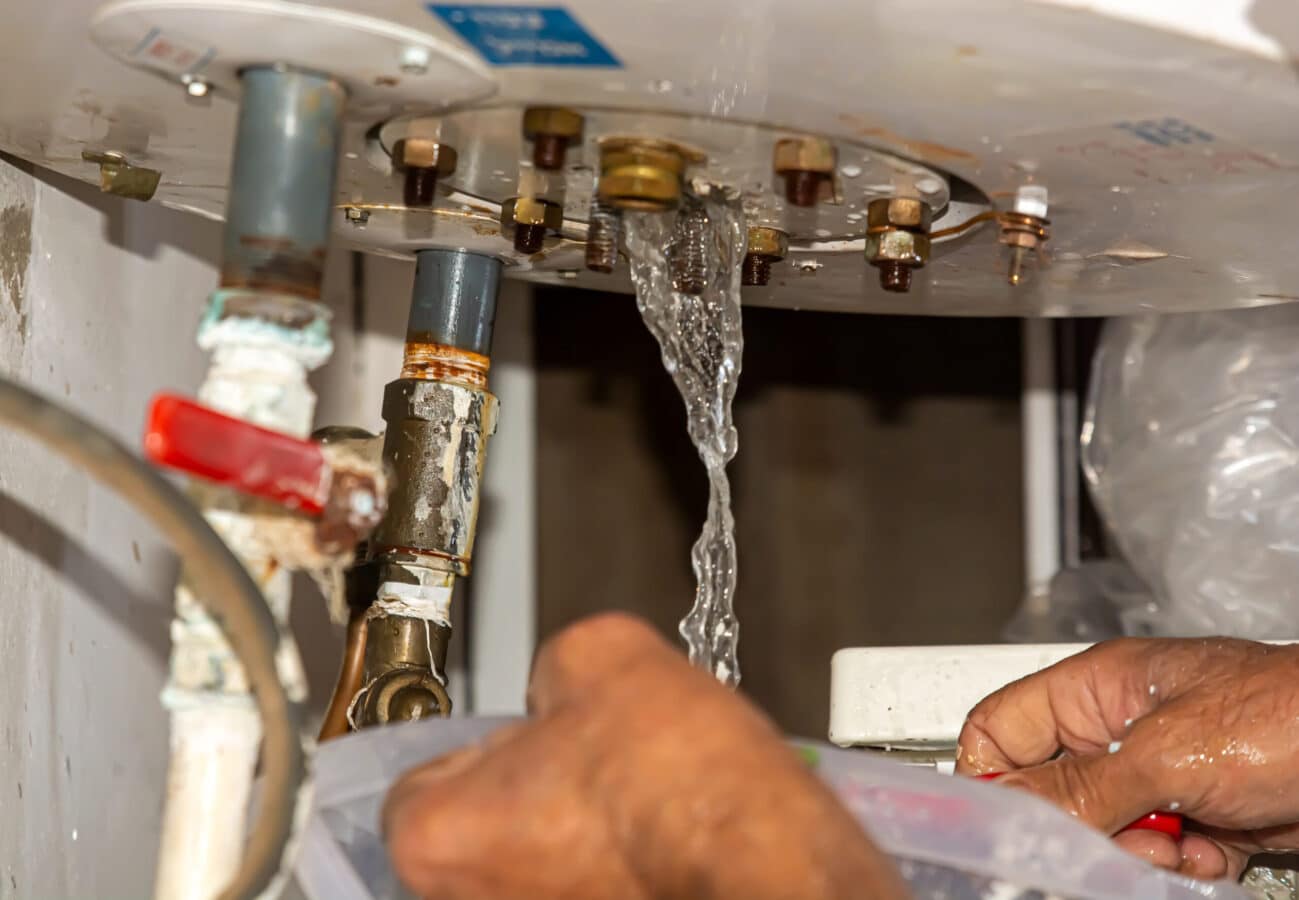
Valves and pipe connections often cause leaks. Check all fittings for looseness or cracks. Tighten any loose nuts by hand or with a wrench. Watch for water dripping from valves or joints. Replace any damaged parts you find. Leaky valves waste water and can cause damage.
Testing The Pressure Relief Valve
The pressure relief valve stops too much pressure in the tank. It can drip water if faulty. Lift the valve’s lever and let some water flow out. This tests if the valve works well. If water keeps leaking after the test, the valve might need replacement. A bad valve can cause leaks even with the water off.
Temporary Fixes
Water heater leaks can cause worry, especially after shutting off the power and water. Temporary fixes help reduce water damage until a professional can repair or replace the unit. These quick actions can stop or slow the leak and protect your home.
Tightening Connections
Loose pipe connections often cause leaks. Use a wrench to gently tighten the fittings around the water heater. Avoid over-tightening, which can cause damage. Check connections at the cold and hot water pipes. Tightening can stop small drips fast.
Replacing Washers
Washers inside pipe fittings wear out over time. Old or cracked washers create gaps for water to leak. Turn off the water supply before removing fittings. Replace the washers with new ones of the same size. This simple fix can seal leaks for a short time.
Using Leak Sealants
Leak sealants work as a quick barrier over small cracks or holes. Apply a silicone-based sealant around the leaking area. Allow it to dry fully before turning the water back on. Sealants do not fix the problem forever but help reduce leaks temporarily.
Credit: finuniverblg.ru.net
When To Call A Professional
Knowing when to call a professional is important if your water heater is still leaking after shut off. Some problems need expert help to avoid damage or danger. Acting fast can save money and keep your home safe.
Signs Of Tank Damage
Look for rust or corrosion on the tank’s surface. These signs mean the tank may be weakening. Bulges or cracks on the tank are serious. They can cause big leaks or even bursts. A professional can check and fix these issues safely.
Persistent Or Large Leaks
Small drips might stop on their own. Large leaks that continue after shut off need attention. Persistent leaks can waste water and cause damage. Calling a pro helps find the leak source. They can repair or replace parts as needed.
Electrical Or Gas Concerns
Water heaters use electricity or gas to work. If you smell gas or see sparks, stop using the heater. These problems can be dangerous. A licensed technician should inspect and fix electrical or gas issues. Safety must come first.
Preventing Future Leaks
Preventing future leaks in your water heater saves you money and stress. Regular care keeps the system working well. Small actions stop big problems. Focus on these key steps to protect your water heater.
Regular Maintenance Tips
Check your water heater every few months. Look for rust, cracks, or wet spots. Tighten loose parts carefully. Replace worn-out valves and seals. Keep the area clean and dry. Regular checks catch issues early.
Flushing The Tank
Drain your water heater tank yearly. Flushing removes sediment buildup inside. Sediment causes corrosion and leaks. Use a hose to empty the tank. Run water until it flows clear. This simple step extends your heater’s life.
Monitoring Pressure Levels
High pressure can cause leaks. Install a pressure gauge if your heater lacks one. Check pressure regularly. Ideal pressure is usually between 40 and 60 psi. Adjust or call a professional if it’s too high. Safe pressure protects your system from damage.
Credit: callfourseasons.com
:max_bytes(150000):strip_icc()/how-to-fix-leaking-water-heater-2719073-02-fd2459f999724f05b29374a7605097e1.jpg)
Credit: www.liftingitalia.com
Conclusion
A water heater leaking after shut off needs quick attention. Check all valves and pipes for damage or cracks. Small leaks can cause big problems if ignored. Sometimes, replacing parts or calling a plumber is best. Staying safe means not ignoring continuous leaks.
Fixing the issue early saves money and stress later. Keep your home dry and your water heater working well. Don’t wait until the leak gets worse. Act now to protect your home and comfort.