
Is your water heater not heating up like it used to? You might be facing water heater element problems.
When the heating element goes bad, it can leave you with cold showers and higher energy bills. But don’t worry—you’re not alone, and fixing this issue might be easier than you think. You’ll discover the common signs of a faulty heating element, why it happens, and simple steps you can take to get your water heater working smoothly again.
Keep reading—you deserve warm water without the hassle.
Signs Of A Faulty Water Heater Element
Water heater elements are crucial for heating water in your home. When these elements fail, your water heater stops working properly. Recognizing the signs early can save you time and money. Below are common signs of a faulty water heater element to watch for.
No Hot Water
One clear sign of a bad element is no hot water. Your taps may only provide cold or lukewarm water. This happens because the heating element no longer heats the water. If your water heater is on but water stays cold, the element may be broken.
Inconsistent Water Temperature
Water temperature that changes suddenly can indicate a problem. Hot water may come and go without warning. This happens if one element works and the other does not. The water heater struggles to keep a steady temperature. This issue often points to a failing heating element.
Tripped Circuit Breaker
A faulty water heater element can cause electrical problems. The circuit breaker may trip often when the element shorts out. This is a safety feature that cuts power to prevent damage. Frequent tripping is a sign to check the element and wiring.
Common Causes Of Element Failure
Water heater elements wear out over time. Several common problems cause these failures. Knowing these causes helps you spot issues early. It also guides proper maintenance to extend element life.
Sediment Buildup
Water contains minerals that settle inside the heater. These minerals form a hard layer on the heating element. This layer blocks heat transfer and causes the element to overheat. Overheating leads to cracks and breaks in the element. Regular flushing of the tank helps prevent sediment buildup.
Electrical Issues
Faulty wiring or loose connections cause electrical problems. These issues lead to inconsistent power flow to the element. The element may short circuit or burn out quickly. Using a multimeter can help detect electrical faults early. Always turn off power before inspecting electrical parts.
Corrosion And Wear
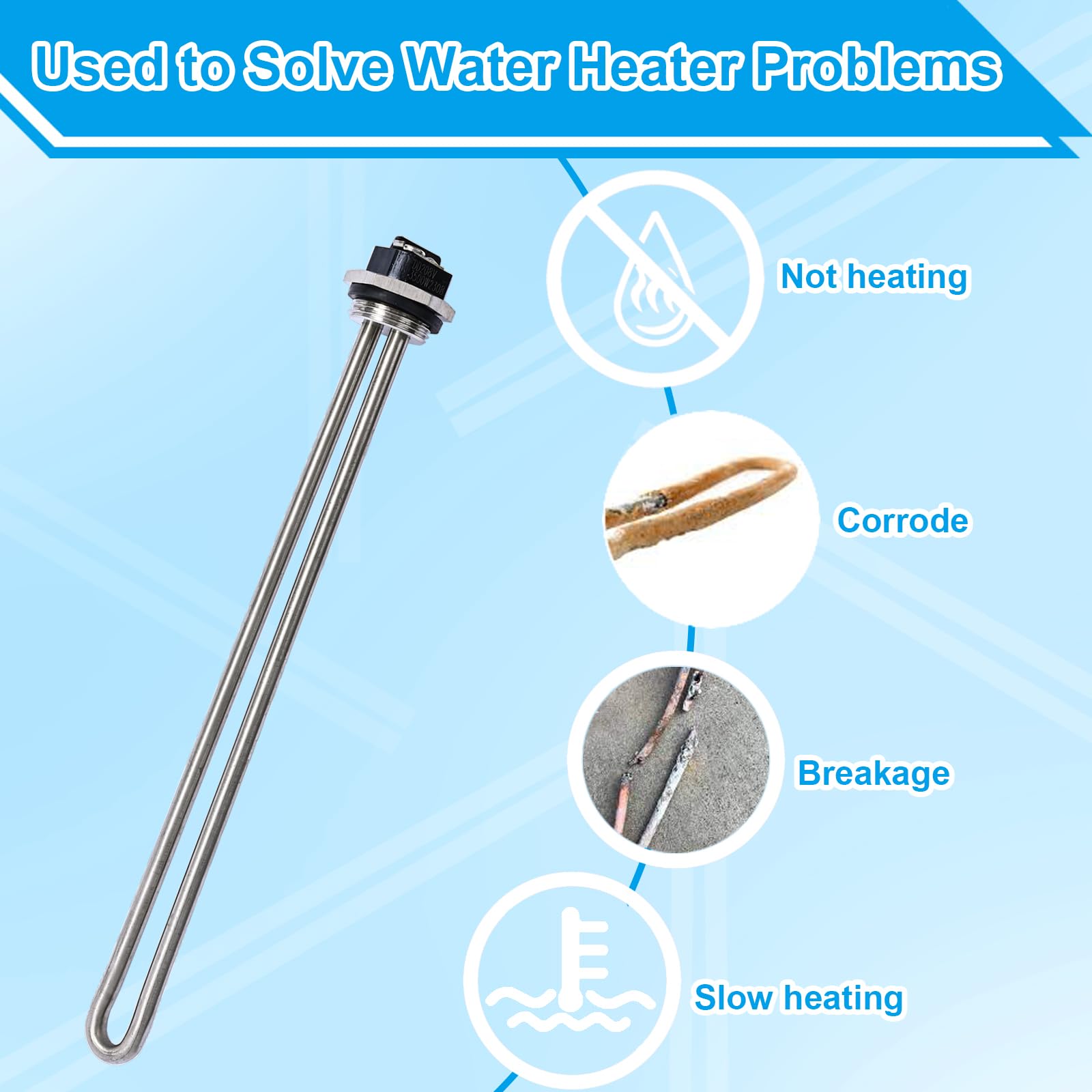
Water heater elements corrode over time due to constant exposure to water. Corrosion weakens the metal and causes holes or breaks. This happens faster in older heaters or those with poor water quality. Replacing corroded elements is necessary to keep the heater working well.
Testing The Water Heater Element
Testing the water heater element helps find problems causing no hot water or slow heating. This test shows if the element works or needs replacement. It saves money by avoiding unnecessary repairs. The process is simple and safe with the right tools.
Tools Needed
- Multimeter or continuity tester
- Screwdriver
- Needle-nose pliers
- Safety gloves
- Voltage tester
Step-by-step Testing Process
- Turn off the power to the water heater at the breaker.
- Use a voltage tester to confirm no electricity flows to the heater.
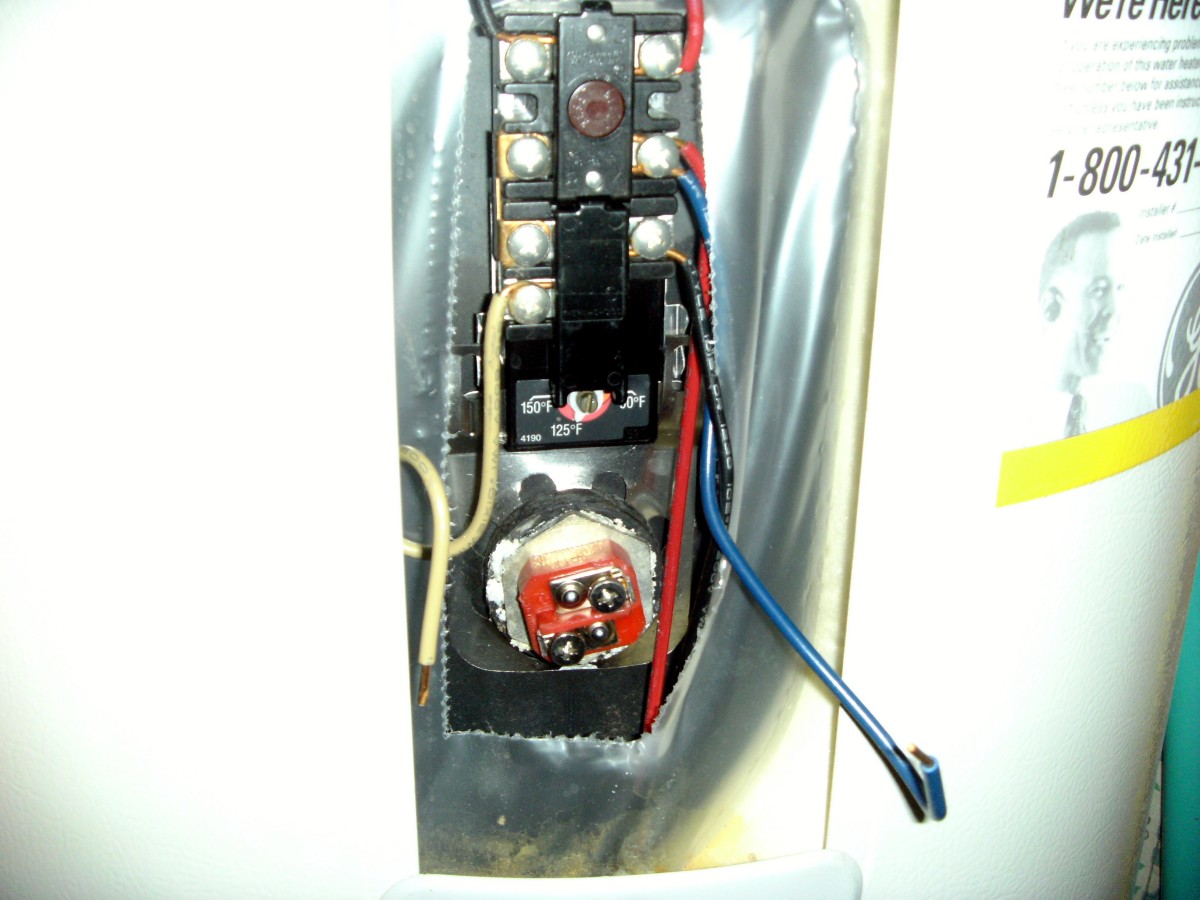
- Remove the access panel on the water heater.
- Take off the insulation covering the element.
- Disconnect the wires from the element terminals carefully.
- Set the multimeter to the lowest ohm setting.
- Touch the multimeter probes to the element terminals.
- Check the reading: a good element shows 10-30 ohms resistance.
- A reading of zero or infinity means the element is faulty.
- Reconnect wires and replace insulation and panel after testing.

Credit: restaural.com
Simple Fixes For Element Problems
Water heater element problems can stop your hot water supply. Simple fixes often solve these issues quickly. You can save time and money by trying basic repairs first. These fixes do not need special skills or tools. Follow easy steps to get your water heater working again.
Cleaning The Element
Mineral build-up can cover the heating element. This blocks heat and lowers efficiency. Turn off the power and drain the tank before cleaning. Use a soft brush or cloth to remove deposits. Vinegar or a descaling solution helps dissolve hard water deposits. Clean the element gently to avoid damage. After cleaning, refill the tank and restore power.
Replacing A Faulty Element
A broken element will not heat water properly. Test the element with a multimeter to check for faults. Turn off power and drain the tank before removal. Unscrew the old element carefully. Install a new element of the same size and type. Tighten it securely to avoid leaks. Refill the tank and switch the power back on.
Resetting The Water Heater
The water heater may stop due to a tripped reset button. Locate the reset button behind the access panel. Press the button firmly to reset the system. If the button trips again, check for other issues. Resetting can restore normal heating quickly. Always turn off the power before accessing internal parts.
Preventing Future Element Issues
Preventing future problems with water heater elements helps extend the life of your heater. Small issues can cause big damage if ignored. Taking steps now saves money and avoids cold showers later.
Regular Maintenance Tips
Check the water heater element every few months. Clean any dirt or build-up carefully. Turn off power before inspecting. Flush the tank yearly to remove sediment. Sediment can damage the heating element. Replace worn parts immediately to keep the heater working well.
Water Quality Management
Hard water causes mineral build-up on the element. Use water softeners to reduce hardness. Test water quality regularly. Install filters if necessary. Clean filters often to keep water pure. Cleaner water means fewer element problems. Protect your heater by controlling water quality.
Professional Inspection
Hire a professional to inspect your water heater yearly. Experts spot hidden problems early. They check the element and other parts. Professionals can fix issues before they worsen. Regular inspections increase the heater’s lifespan. Trust experts for safe and thorough checks.
Credit: svaff.org
Credit: cityofharrah.com
Frequently Asked Questions
What Causes Water Heater Element Problems?
Water heater element problems usually stem from mineral buildup, corrosion, or electrical issues. Hard water accelerates scale formation, reducing element efficiency and lifespan. Regular maintenance can prevent these issues and ensure optimal performance.
How To Identify A Faulty Water Heater Element?
Signs include no hot water, inconsistent heating, or tripped breakers. Use a multimeter to test for continuity. If the element shows no continuity, it likely needs replacement.
Can I Replace A Water Heater Element Myself?
Yes, with basic tools and safety precautions, you can replace it. Turn off power and water supply first. Follow manufacturer instructions carefully for a safe and effective replacement.
How Long Do Water Heater Elements Last?
Typically, elements last between 6 to 10 years. Lifespan depends on water quality, usage, and maintenance. Regular checks extend element life and prevent sudden failures.
Conclusion
Water heater element problems can cause cold showers and high energy bills. Knowing the signs helps you fix issues quickly. Regular checks keep your heater working well. Small problems often become big ones if ignored. Replace faulty elements to restore hot water fast.
Taking care of your water heater saves money and stress. Keep your home comfortable by staying alert to these common issues. Simple steps make a big difference in your water heater’s life.