
Is your water heater pressure too high? This problem can cause serious damage to your system and even lead to costly repairs.
You might not notice the signs right away, but ignoring high pressure can turn into a big headache fast. You’ll discover why your water heater pressure rises, the risks it brings, and simple steps you can take to fix it before it gets worse.
Keep reading to protect your home and save money.

Credit: www.youtube.com
Causes Of High Pressure
High pressure in a water heater can cause many problems. It can damage the heater and pipes. Understanding the causes helps fix the issue fast. Pressure rises mainly because of a few key reasons. Knowing these helps keep your water heater safe and working well.
Thermal Expansion Issues
Water heats and expands inside the tank. This extra volume raises pressure. Without a way to release pressure, it builds up quickly. Expansion tanks help control this rise. If the tank is missing or faulty, pressure stays high. This can lead to leaks or bursts.
Faulty Pressure Relief Valve
The pressure relief valve stops excess pressure. It opens to release water when pressure gets too high. A broken valve cannot open properly. Pressure continues to rise inside the heater. This is a common cause of high pressure problems. Regular checks keep the valve working well.
Excessive Water Supply Pressure
Water coming from the main supply can be too strong. High city water pressure pushes the heater beyond limits. This increases the pressure inside the tank. Pressure reducing valves control this supply pressure. Without these valves, the heater faces constant high pressure. This can shorten its lifespan.
Signs Of High Pressure
High pressure in a water heater can cause serious problems. It often signals that the system is not working right. Knowing the signs helps you act before damage occurs. Watch for changes in sound, leaks, and unusual valve actions. These signs show that pressure may be too high inside your heater.
Unusual Noises
Listen closely to your water heater. Strange sounds like banging, popping, or hissing can mean pressure is building up. These noises happen when water heats too fast or pressure pushes against the tank. Don’t ignore these sounds. They warn you about pressure problems early.
Leaks And Drips
Check around the water heater for any leaks or drips. High pressure can cause seals to break or pipes to loosen. Even small leaks show that pressure might be too high. Fix leaks quickly to stop water damage and reduce pressure inside the tank.
Frequent Valve Activation
The pressure relief valve is a safety part of your heater. It opens when pressure gets too high. If you see this valve opening often, it means pressure inside the tank is too much. Frequent valve activation is a clear sign of high pressure. It needs immediate attention to avoid bigger issues.
Immediate Safety Steps
High pressure in a water heater can be dangerous. Acting quickly keeps you safe and protects your home. Follow these immediate safety steps to manage the pressure problem.
Shutting Off Power And Water
Turn off the water heater’s power first. For electric heaters, switch off the circuit breaker. For gas heaters, close the gas valve. Next, shut off the main water supply to the heater. This stops more water from entering and raising pressure.
Relieving Pressure Safely
Find the temperature and pressure relief valve on your heater. Slowly open it to release built-up pressure. Use a cloth to protect your hand from hot water. Let the pressure drop until it feels safe. Close the valve carefully after pressure relief.

Credit: www.reddit.com
Quick Fixes To Lower Pressure
High water pressure in your water heater can cause damage and reduce its life. Quick fixes help lower this pressure and protect your system. These simple steps can keep your heater working well and safely.
Adjusting The Pressure Relief Valve
The pressure relief valve stops pressure from getting too high. Locate this valve on your heater. Turn it slowly to release some pressure. Be careful not to open it too much. This fix is fast and often solves the problem.
Installing A Pressure Regulator
A pressure regulator controls water pressure entering the heater. Install it on your main water line. This device keeps pressure steady and prevents spikes. It is a smart, long-term solution for high pressure issues.
Adding An Expansion Tank
An expansion tank absorbs extra water pressure. Attach it near your water heater. It helps balance pressure changes during heating. This addition protects your pipes and heater from damage. It works quietly and effectively.
Preventive Maintenance Tips
Preventive maintenance helps keep your water heater safe and efficient. It stops pressure from rising too high. Small checks today can avoid big problems tomorrow. Follow these simple tips to protect your heater and your home.
Regular Valve Inspections
Check the pressure relief valve often. This valve stops pressure from building up too much. Make sure it moves freely and is not blocked. Replace it if you see leaks or rust. Testing this valve keeps your heater safe.
Monitoring Water Pressure
Keep an eye on the water pressure in your home. High pressure can damage your water heater. Use a pressure gauge to check it regularly. Ideal pressure is usually below 80 psi. Lower it if it goes higher to protect your heater.
Flushing The Water Heater
Flush your water heater yearly. This removes sediment that builds up inside. Sediment can cause pressure problems and reduce efficiency. Draining the tank is simple and helps your heater last longer. Use fresh water to clean it out fully.
When To Call A Professional
Water heater pressure that stays too high can cause serious problems. Sometimes, fixing it on your own is risky or ineffective. Knowing when to call a professional helps avoid damage and keeps your home safe.
Persistent High Pressure Issues
If your water heater pressure remains high despite your efforts, call a professional. Persistent issues may indicate a deeper problem. A technician can diagnose and fix it safely.
Valve Replacement Needs
Pressure relief valves wear out over time. A faulty valve can cause dangerous pressure buildup. Professionals have the right tools to replace valves correctly and safely.
Complex System Upgrades
Older water heaters might need upgrades to handle pressure better. Complex upgrades require expert knowledge and special equipment. A professional ensures the system meets safety standards and works well.
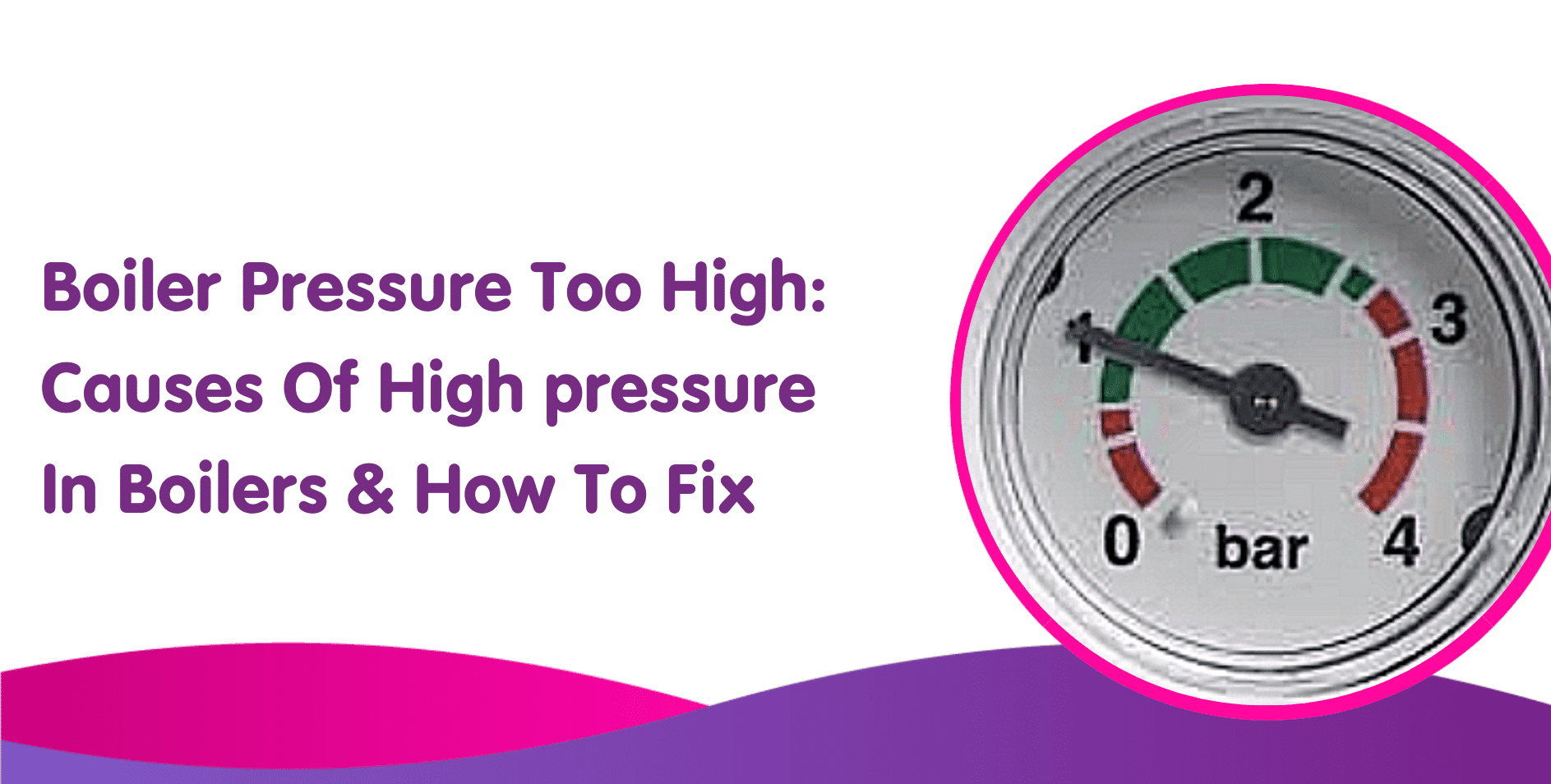
Credit: site-craft.net
Frequently Asked Questions
What Causes Water Heater Pressure To Be Too High?
High water pressure often results from a faulty pressure relief valve or thermal expansion. Excessive pressure can also come from a malfunctioning pressure regulator or excessive temperature settings.
How To Check If Water Heater Pressure Is Too High?
Use a pressure gauge on the heater’s drain valve. Normal pressure should be between 40-60 psi. Above 80 psi indicates high pressure needing attention.
Can High Pressure Damage My Water Heater?
Yes, excessive pressure can cause leaks, ruptures, or tank damage. It shortens the water heater’s lifespan and poses safety risks.
How To Fix High Water Heater Pressure Safely?
Relieve pressure by draining some water or adjusting the temperature. Replace faulty pressure relief valves or install an expansion tank if needed.
Conclusion
High pressure in your water heater can cause serious problems. It can damage pipes and make your heater unsafe. Regularly check the pressure to keep things running smoothly. Use the right tools and follow safety steps when adjusting pressure. Calling a professional is wise if you feel unsure or see leaks.
Keeping pressure at a safe level protects your home and saves money. Don’t wait until small issues turn into big repairs. Simple care today means a longer-lasting water heater tomorrow.