
Are you thinking about upgrading to a tankless hot water heater? Understanding the power requirements is key to making the right choice for your home.
If your electrical system isn’t ready, you could face costly upgrades or unexpected problems. This article will guide you through everything you need to know about the power needs of tankless water heaters. By the end, you’ll feel confident about what to expect and how to prepare your home’s electrical setup.
Keep reading to avoid surprises and get the hot water you want without any hassle.
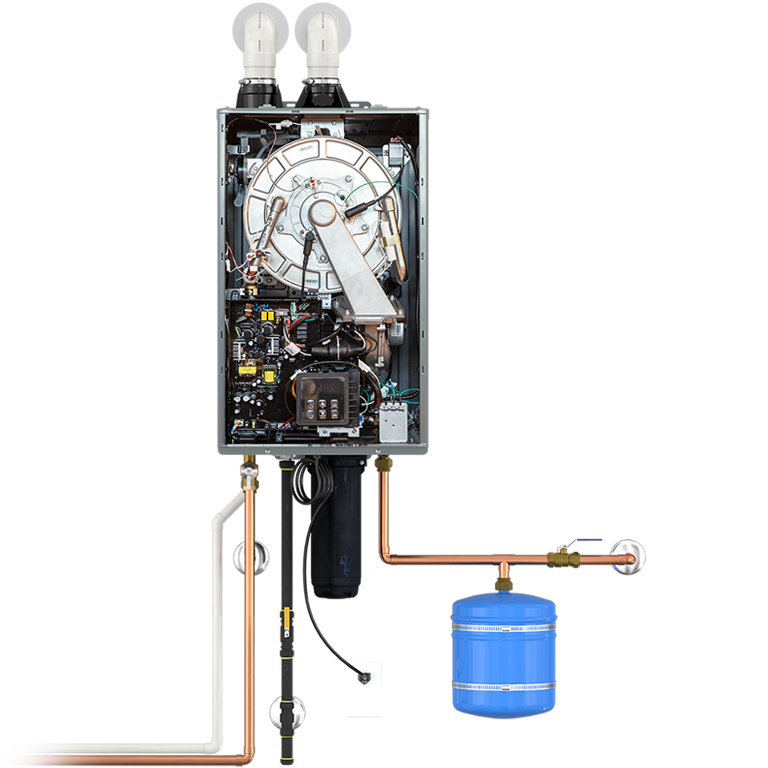
Credit: www.hotwater.com
How Tankless Water Heaters Work
Tankless water heaters heat water only when needed. They do not store hot water like traditional tanks. Water flows through the unit and is heated by electric coils or a gas burner. This means you get hot water instantly and do not waste energy keeping water hot all day.
There are two main types of tankless water heaters:
- Electric tankless heaters use electric power to heat water fast.
- Gas tankless heaters use natural gas or propane for heating.
Electric models need strong electrical circuits because they use a lot of power quickly. Gas models need a proper venting system to release exhaust safely. Both types save space and provide hot water on demand without waiting.
Electrical Power Needs
Tankless hot water heaters need a good amount of power to work well. Their wattage can range from 1,500 to 25,000 watts, depending on size and model. Smaller units use less power, while bigger ones need more.
These heaters usually run on 240 volts of electricity. The amperage needed can be 30 to 120 amps. This depends on the heater’s wattage and how much hot water it makes.
| Heater Size | Wattage | Voltage | Amperage |
|---|---|---|---|
| Small | 1,500 – 5,000 W | 120 V | 12 – 20 A |
| Medium | 5,000 – 10,000 W | 240 V | 20 – 40 A |
| Large | 10,000 – 25,000 W | 240 V | 40 – 120 A |
Gas Vs Electric Models
Gas tankless water heaters use natural gas or propane to heat water. They need a ventilation system to release fumes safely. Their power consumption is mainly for the ignition and control system, which is very low. Electric models, on the other hand, require a high electrical load to heat water instantly. This means they need a dedicated circuit with high amperage, usually 100 amps or more.
Gas units often cost less to operate if natural gas is available. Electric models are easier to install but may need upgraded electrical panels. Installation costs vary because gas heaters need venting and gas lines, while electric ones need strong wiring. Space and local codes also affect installation choices.
Calculating Power For Your Home
Start by figuring out how many people use hot water at the same time. This shows your hot water demand. Count how many showers, sinks, and appliances run at once. Each needs a certain amount of power to heat water.
Next, check the power supply available in your home. Tankless heaters need a strong power source to work well. Match the heater’s power needs with your home’s supply to avoid issues.
| Hot Water Use | Approximate Power Needed (kW) |
|---|---|
| Single bathroom (shower + sink) | 15 – 18 |
| Two bathrooms + kitchen | 24 – 27 |
| Whole house with multiple points | 30 – 36 |
Choosing the right power size helps keep water hot and steady. Too little power means no hot water. Too much power wastes energy.
Electrical Setup And Safety
Tankless hot water heaters need special electrical setups to work safely. A dedicated circuit breaker is required to handle the high power load. Usually, a double-pole breaker is used to provide enough voltage. The breaker size depends on the heater’s power rating, often between 30 to 50 amps.
Proper wiring is key. Use copper wires with the right gauge to avoid overheating. A minimum 8-gauge wire is common for most units, but check the heater’s manual. The outlet or connection point must be close to the heater and follow local electrical codes.
Grounding the system is essential to prevent electric shocks. Always install a ground fault circuit interrupter (GFCI) if required. This helps cut power quickly if a fault happens.
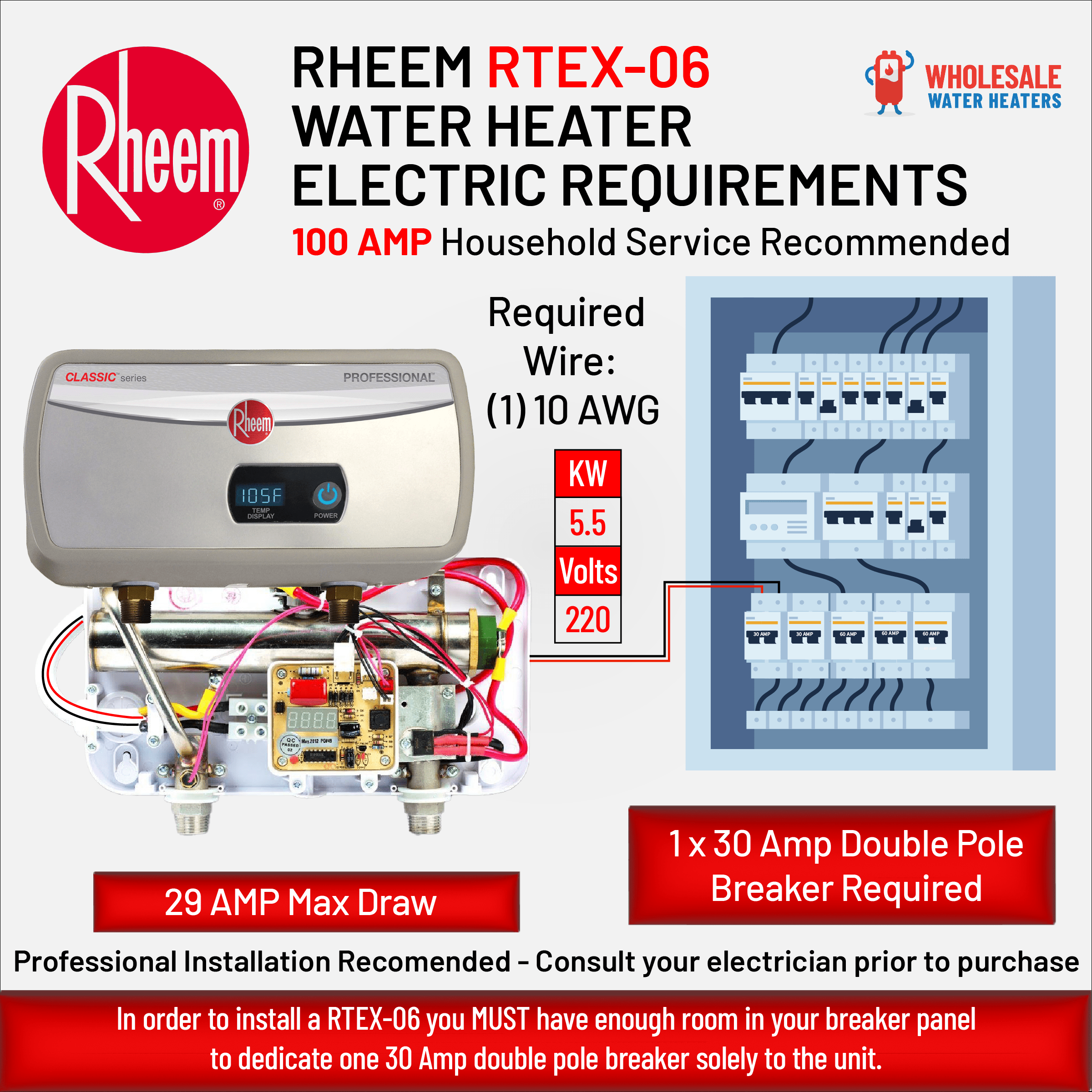
Credit: wholesalewaterheater.com
Energy Efficiency And Savings
Tankless hot water heaters use electricity only when hot water is needed. This means they consume less power than traditional heaters that keep water hot all day. They heat water quickly, so there is less energy waste.
Even though tankless heaters may use more power at once, they save energy over time. This balance helps reduce electricity bills. Choosing the right size heater is key to getting the best efficiency and savings.
| Power Use | Efficiency | Effect on Bills |
|---|---|---|
| High during use | Heats water instantly | Lower overall cost |
| Low standby power | No heat loss from stored water | Reduces waste |
Common Installation Challenges
Tankless hot water heaters need a strong power supply. Many homes have old electrical panels that can’t handle this load. This causes installation delays or extra costs.
Upgrading electrical systems often means adding new circuits or breakers. This work must follow local codes for safety. Electricians check if the home’s wiring can support the heater.
Some houses need a full panel upgrade. This can be expensive and time-consuming. Planning ahead helps avoid surprises during installation.
Future Trends In Tankless Water Heaters
Tankless water heaters are getting smarter and more energy-efficient. New models use advanced power technology that adjusts electricity use based on hot water demand. This helps save energy and lowers electric bills.
Many heaters now include eco-friendly features like timers and sleep modes. These features reduce power use when hot water is not needed. Smart controls let users monitor and control heaters from their phones. This adds convenience and helps avoid wasting energy.
Future tankless water heaters may also use renewable energy sources or connect with home solar systems. This could further cut power costs and reduce environmental impact.
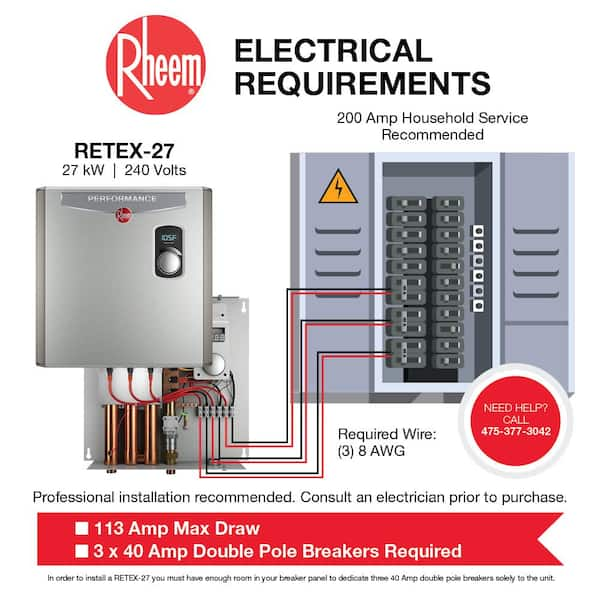
Credit: www.homedepot.com
Frequently Asked Questions
What Power Supply Is Needed For Tankless Water Heaters?
Tankless water heaters typically require a 240-volt power supply. The exact amperage depends on the unit size, usually between 30 to 50 amps. Always check the manufacturer’s specifications for precise electrical requirements.
How Much Electricity Does A Tankless Heater Use?
A tankless heater uses electricity only when heating water. It consumes about 2 to 5 kW per hour, depending on the model. This efficient usage reduces overall energy costs compared to traditional heaters.
Can I Use A Standard Circuit For Tankless Heaters?
No, tankless water heaters need dedicated circuits. Standard household circuits often cannot handle the high current demand. A licensed electrician should install the correct circuit breaker to ensure safety and performance.
Are There Differences In Power For Gas Vs Electric Tankless Heaters?
Yes, electric models require significant electrical power, while gas units need less electricity but a gas supply. Each type has distinct installation and power requirements to ensure optimal function.
Conclusion
Choosing the right power for your tankless water heater saves energy and money. Knowing the power needs helps avoid electrical problems at home. Many models need a strong electrical setup to work well. Checking your home’s wiring ensures safe and efficient heating.
Proper planning keeps hot water flowing when you need it. This simple step makes your heater last longer and work better. Always match your heater’s power needs with your electrical system. It’s a smart move for comfort and safety in your home.