
Have you ever noticed a strange popping noise coming from your tankless water heater? That sudden sound can be unsettling and make you wonder if something is wrong with your system.
If you want to protect your heater and avoid costly repairs, it’s important to understand why this noise happens and what you can do about it. Keep reading to discover the simple reasons behind the popping sound and the easy steps you can take to fix it before it becomes a bigger problem.

Credit: megaprojects.com
Common Causes Of Popping Noise
Popping noises from a tankless water heater can be confusing and annoying. These sounds usually mean something is affecting how your heater works. Knowing the common causes helps you spot problems early. This keeps your heater running smoothly and lasts longer.
Mineral Buildup
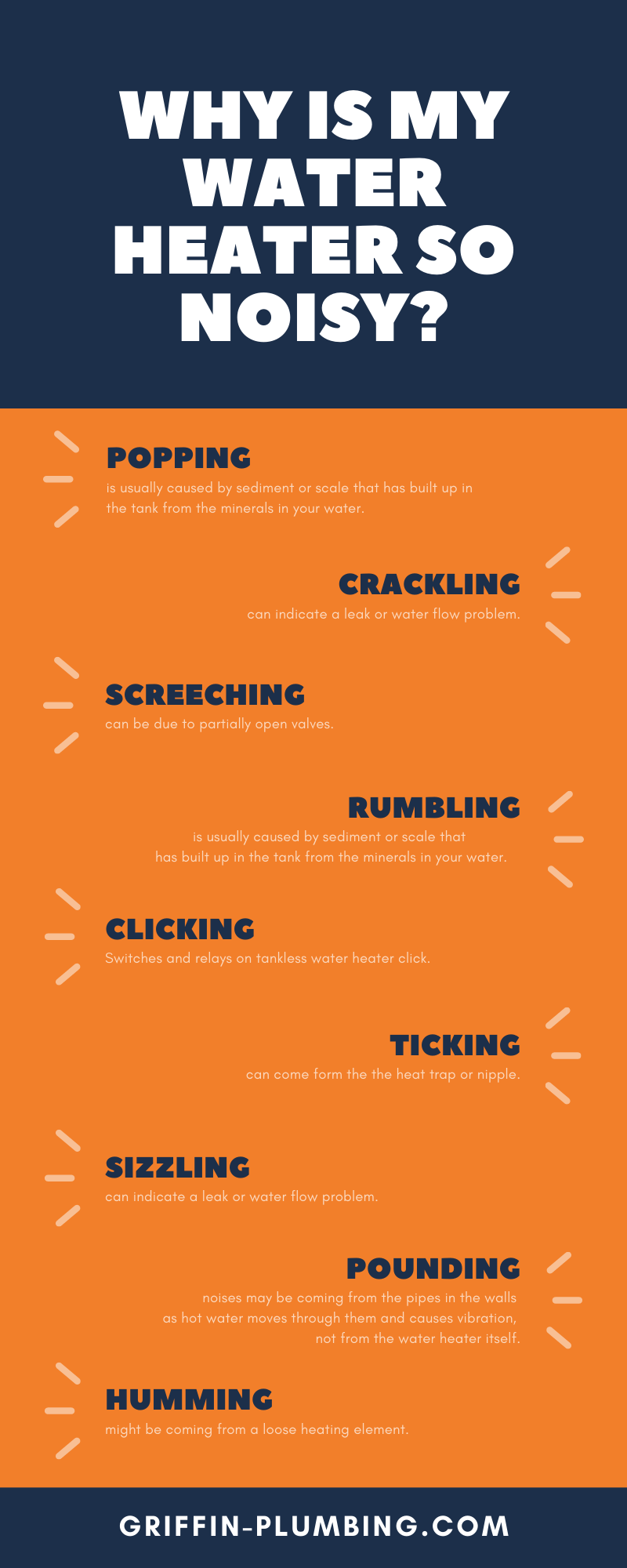
Hard water has minerals like calcium and magnesium. These minerals stick inside the heater over time. They create small blockages or layers on the heating parts. When water heats, it moves past these minerals. This causes popping or crackling sounds. Regular cleaning stops mineral buildup and noise.
Sediment Accumulation
Water carries tiny dirt and sand particles. These settle at the bottom of the heater’s pipes or chamber. Sediment traps heat and causes uneven heating. Hot spots create steam bubbles that pop loudly. Flushing the system removes sediment and reduces noise.
Water Pressure Issues
High or low water pressure can cause strange sounds. Too much pressure pushes water too fast through the heater. This makes pipes vibrate and pop. Low pressure causes water to flow unevenly. Both pressure problems create popping noises. Check and adjust the pressure to fix this.
Temperature Fluctuations
Changing water temperature can cause popping sounds. When water heats quickly, it expands fast. Pipes and metal parts move and produce noise. Sudden cooling shrinks parts, causing more sounds. Keeping a steady temperature reduces popping and wear.
Credit: www.dentalhousecr.com
Effects Of Popping Noise
Popping noises from a tankless water heater are more than just a nuisance. These sounds can signal problems that affect your home’s hot water system. Understanding the effects of these noises helps you act quickly and avoid bigger issues.
Reduced Efficiency
Popping noises often mean mineral buildup inside the heater. This buildup blocks heat transfer and lowers the heater’s efficiency. Your water heater will use more energy to heat water. Higher energy use leads to bigger utility bills. You might notice water takes longer to heat. Efficiency drops can also shorten your heater’s lifespan.
Potential Damage
The popping sounds can cause damage to the heater’s internal parts. Pressure from trapped steam or minerals can crack pipes or heat exchangers. Small cracks can grow into leaks over time. Leaks damage surrounding walls and floors. Ignoring these noises may lead to costly repairs or replacement. Early attention saves money and hassle.
Safety Concerns
Loud popping may indicate dangerous pressure buildup inside the heater. Excess pressure can cause the unit to fail or burst. Hot water leaks increase the risk of burns. Damaged parts might create electrical hazards. Keeping your heater safe protects your family and home. Do not ignore persistent popping sounds.
Quick Fixes For Popping Noise
Popping noises from a tankless water heater can be annoying. These sounds often mean the unit needs simple care or adjustment. Quick fixes can stop the noise and keep your heater running smoothly. Here are easy steps to try at home.
Flushing The Heater
Mineral buildup causes popping sounds inside the heater. Flushing removes these deposits. Turn off the power and water supply first. Attach hoses to flush out the system with vinegar or a descaling solution. Run the flush for 45 minutes to one hour. This clears minerals and stops noises.
Checking Water Pressure
High water pressure can create noise in your heater. Use a pressure gauge to check levels. Normal pressure is between 40 and 60 psi. Adjust the pressure regulator if the reading is too high. Lower pressure reduces stress and popping sounds.
Adjusting Temperature Settings
Setting the heater too high causes water to boil inside. This leads to popping noises. Lower the temperature to around 120°F (49°C). This stops boiling and prevents noise. It also saves energy and protects your pipes.
Installing Water Softeners
Hard water makes mineral buildup worse. A water softener removes minerals before they reach the heater. This reduces scale and popping sounds. Installing a softener helps your heater last longer. It improves water quality throughout your home.
Preventive Maintenance Tips
Preventive maintenance helps keep your tankless water heater running smoothly. Small steps can stop noises like popping before they start. Regular care extends the heater’s life and saves money on repairs.
Regular Cleaning
Cleaning your tankless water heater removes mineral buildup inside. Scale can cause popping sounds during heating. Flush the system every 6 to 12 months to clear debris. Use a vinegar solution or a descaling product made for water heaters. Clean filters and screens as well. This keeps water flowing freely and quiet.
Routine Inspections
Check your heater often for leaks and damage. Look for signs of rust or corrosion on pipes and connections. Inspect the venting system to ensure it is clear. Listen for unusual noises while the heater runs. Early spotting of problems stops bigger issues. Keep a checklist to track your inspections.
Professional Servicing
Hire a licensed technician to service your heater yearly. Experts can test the pressure and gas lines safely. They clean parts that are hard to reach. Professionals spot hidden problems and fix them fast. Proper servicing reduces noise and improves performance. Trust their skills to keep your heater safe and quiet.
Credit: www.genexuk.co.uk
Conclusion
Tankless water heater popping noises can signal common issues. Sediment buildup or pressure changes often cause these sounds. Regular maintenance helps keep your heater quiet and efficient. Ignoring the noise might lead to bigger problems later. Check the system and clean it as needed.
Quiet operation means better comfort and longer heater life. Stay alert to unusual sounds for quick fixes. Simple care keeps your water heater running smoothly.