
Are you wondering how much it will cost to replace your gas water heater? Knowing the price beforehand can save you from unexpected expenses and help you plan your budget wisely.
Whether your current heater is old, inefficient, or simply not working anymore, understanding the replacement cost is key to making the best choice for your home. You’ll discover the factors that affect the price, what to expect during installation, and tips to get the best value.
Keep reading to make sure your next gas water heater replacement is smooth and affordable.
Page Contents
Factors Affecting Replacement Cost
The cost of replacing a gas water heater varies widely. Several factors affect the total price. Understanding these can help you plan your budget better. Each factor plays a key role in the final replacement cost.
Type Of Gas Water Heater
The kind of gas water heater impacts the price significantly. Standard models cost less upfront. High-end models with extra features raise the cost. Different types use varying amounts of gas and technology.
Tank Vs Tankless Models
Traditional tank water heaters store hot water in a large tank. They usually have a lower initial cost. Tankless models heat water instantly and on demand. These cost more but save energy over time.
Energy Efficiency Ratings
Water heaters with better energy efficiency ratings cost more initially. They use less gas and lower utility bills. Choosing an efficient model can save money in the long run. Check for Energy Star ratings when buying.
Installation Complexity
Complex installations increase replacement costs. Factors like plumbing changes or venting upgrades add to the price. Easy swaps cost less. Difficult setups require more labor and materials.
Local Labor Rates
Labor costs vary by location. Areas with high living costs usually have higher labor rates. Hiring licensed professionals ensures proper installation but may cost more. Shop around for fair labor prices in your area.

Credit: www.genexuk.co.uk
Average Cost Breakdown
Understanding the average cost breakdown helps plan your gas water heater replacement budget. Costs vary based on several factors. Knowing each part of the expense makes the process clear. Below is a simple guide to common costs involved.
Unit Price Range
Gas water heaters come in different sizes and brands. Prices usually range from $400 to $1,200. Basic models cost less, while high-efficiency units are more expensive. Choose a unit that fits your household needs and budget.
Installation Fees
Installing a gas water heater needs professional work. Installation fees often run between $300 and $700. This cost depends on the complexity of the setup and local labor rates. Proper installation ensures safety and better performance.
Permit And Inspection Costs
Some areas require permits for water heater replacement. Permit fees usually range from $50 to $200. An inspection may be necessary to confirm the installation meets local codes. These steps protect your home and comply with regulations.
Additional Material Expenses
Extra parts like venting pipes, fittings, and connectors add to the cost. These materials can cost between $50 and $150. Old or damaged parts might need replacement during installation. Including these expenses gives a more accurate total cost.
Signs You Need Replacement
Knowing when to replace your gas water heater saves money and hassle. Ignoring warning signs can lead to bigger problems. Watch for clear signs that show your heater may need replacement soon.
Frequent Repairs
Repairs that happen often mean your heater is aging. Fixing the same parts repeatedly costs more over time. A new heater can be more reliable and cheaper in the long run.
Inconsistent Water Temperature
Water that suddenly gets too hot or cold is a bad sign. This problem shows the heater struggles to keep a steady temperature. It can mean internal parts are worn out or failing.
Age Of The Heater
Most gas water heaters last about 8 to 12 years. Older heaters lose efficiency and break down easier. If your heater is past this age, consider replacing it for better performance.
Visible Leaks And Rust
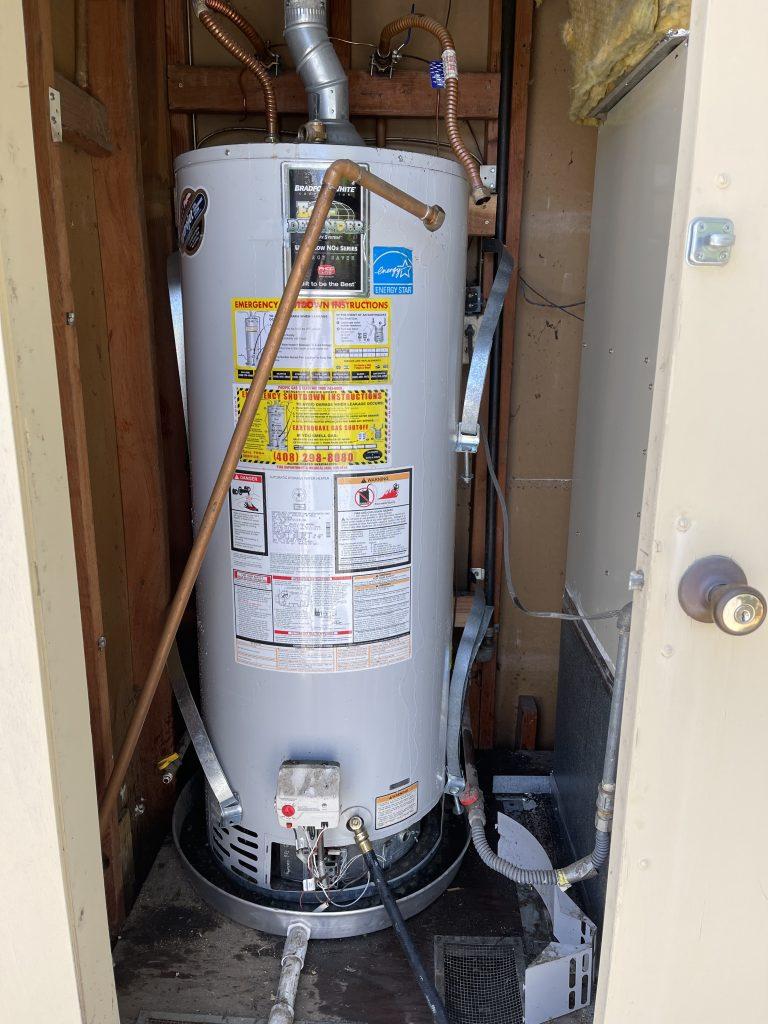
Leaks around the heater indicate damage or corrosion. Rust on the tank or pipes means metal is breaking down. Both signs show the heater may fail soon and needs replacement.
Credit: www.pamsteele.org
Ways To Save On Replacement
Replacing a gas water heater can be costly. Saving money during replacement is possible. Simple steps help reduce expenses. These tips guide you to save on your next water heater.
Choosing Energy-efficient Models
Energy-efficient water heaters use less gas. They lower your monthly utility bills. Spending a bit more upfront saves money long-term. Look for models with high Energy Factor (EF) ratings. These heaters perform better and waste less energy.
Scheduling Off-season Installation
Installing a water heater in winter or early spring often costs less. Demand for installation services drops during these months. Contractors may offer discounts or flexible scheduling. Avoid summer when many people replace their heaters.
Comparing Multiple Quotes
Get quotes from different plumbers or companies. Prices vary widely for the same job. Comparing helps find the best deal. Ask for detailed estimates including parts and labor. Never settle for the first quote.
Utilizing Rebates And Incentives
Many local governments and utility companies offer rebates. These rewards lower the total cost of new heaters. Check for programs supporting energy-efficient appliances. Applying for rebates can save hundreds of dollars.
Diy Vs Professional Installation
Deciding between DIY and professional installation for your gas water heater matters a lot. The choice affects safety, cost, and how well the heater works. Both options have clear differences. Understanding these can help you pick the best path for your home.
Risks Of Diy
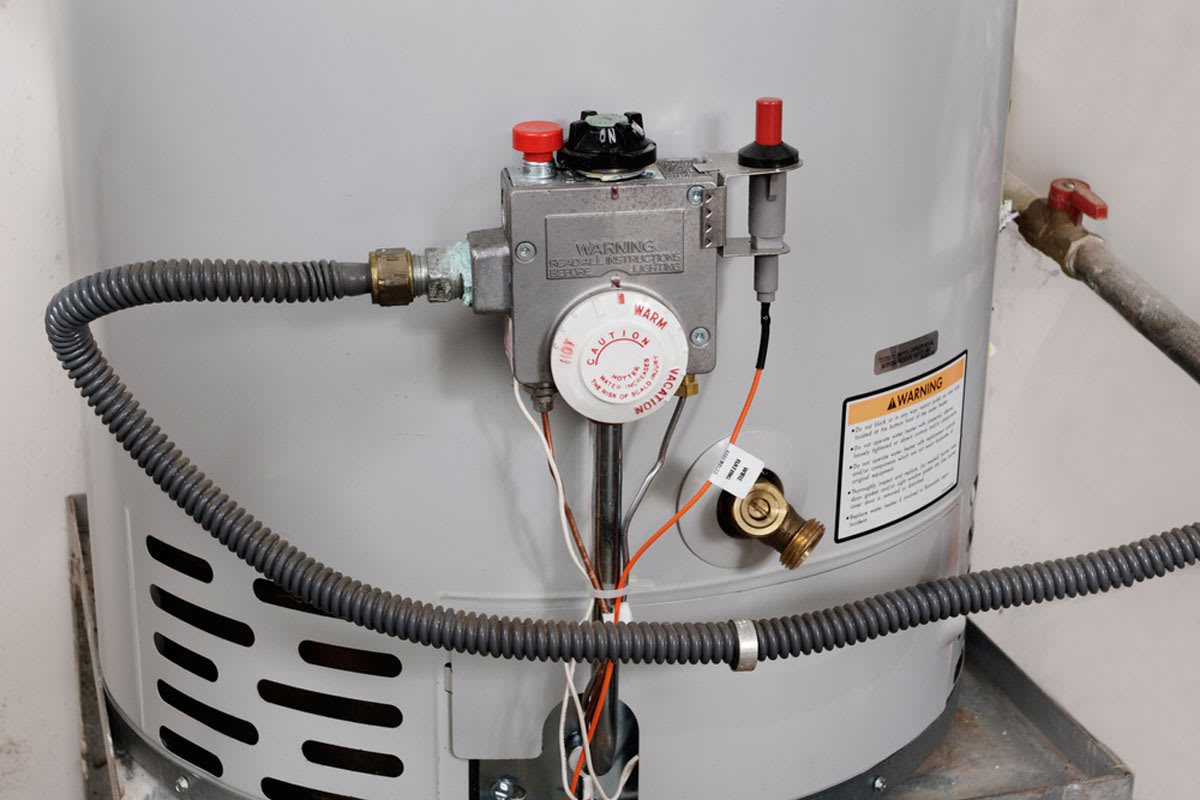
Installing a gas water heater yourself can be risky. Gas leaks might happen if connections are not tight. Poor installation can cause fires or carbon monoxide leaks. Mistakes can lead to water damage and costly repairs. Most DIY attempts lack proper tools and expertise. Incorrect setup might void your warranty. Safety must come first in any installation.
Benefits Of Hiring Experts
Professionals know how to install heaters safely and correctly. They follow local codes and safety rules. Experts check for gas leaks and proper ventilation. They use the right tools and parts. Hiring pros can save time and stress. They offer warranties on work and parts. Experts ensure your heater runs efficiently and lasts longer.
Cost Differences
DIY installation may save money upfront. You only pay for the heater and materials. But mistakes can cause extra costs later. Professional installation costs more initially. Fees cover labor, permits, and safety checks. Experts help avoid future repair bills. Consider long-term savings when choosing installation type.
Credit: homeguide.com
Maintenance Tips To Extend Lifespan
Keeping a gas water heater in good shape saves money and stress. Simple maintenance tasks help the heater last longer. They keep it running safely and efficiently. Follow these tips to protect your investment and avoid early replacement costs.
Regular Flushing
Flush the tank every six months. This removes sediment build-up at the bottom. Sediment makes the heater work harder. It reduces efficiency and can damage parts. Flushing keeps water flowing freely and the heater running well.
Checking Anode Rod
The anode rod stops rust inside the tank. Check it yearly for wear. Replace the rod if it is worn out. A good rod protects the tank from corrosion. This extends the water heater’s life significantly.
Inspecting Gas Lines
Look at gas lines for leaks or damage regularly. Gas leaks are dangerous and waste fuel. Tighten loose fittings or call a pro for repairs. Safe gas lines keep your home protected and the heater working properly.
Scheduling Annual Inspections
Have a professional inspect the heater every year. Experts find hidden problems early. They clean parts and test safety controls. Annual check-ups prevent costly repairs and keep the heater efficient and safe.
Conclusion
Replacing a gas water heater costs vary by model and installation. Choose a unit that fits your home and budget. Consider energy efficiency to save money over time. Hiring a skilled professional ensures safe, proper installation. Plan for this expense to avoid surprises later.
A well-chosen water heater keeps your hot water flowing. Take your time to compare prices and features. This helps you get the best value for your money.