
Is your gas water heater thermostat not working? If your water isn’t heating up properly or the temperature keeps fluctuating, it can be frustrating and inconvenient.
You rely on your water heater every day, so when the thermostat fails, it disrupts your routine. But don’t worry you’re not alone, and there are simple steps you can take to fix it. You’ll discover why your thermostat might be acting up and how to get your hot water flowing smoothly again.
Keep reading to take control of the problem before it gets worse.
Signs Of A Faulty Thermostat
The thermostat in a gas water heater controls the water temperature. If it stops working correctly, your water heater will not work as it should. Recognizing the signs of a faulty thermostat helps you take action early. This can save you from bigger problems and costly repairs.
Inconsistent Water Temperature
Water temperature changes without warning. Hot water may turn cold suddenly. Sometimes it gets too hot. These fluctuations mean the thermostat cannot maintain a steady temperature. This problem causes discomfort during showers or washing dishes.
No Hot Water
No hot water at all can indicate a broken thermostat. The heating element may not turn on. Your water heater may run, but the water stays cold. This sign shows the thermostat fails to signal the burner to heat water.
Pilot Light Issues
The pilot light may keep going out. A faulty thermostat can cause this. If the thermostat misreads the temperature, it may shut off the gas supply. This stops the pilot light from staying lit. Frequent pilot light problems often point to thermostat trouble.
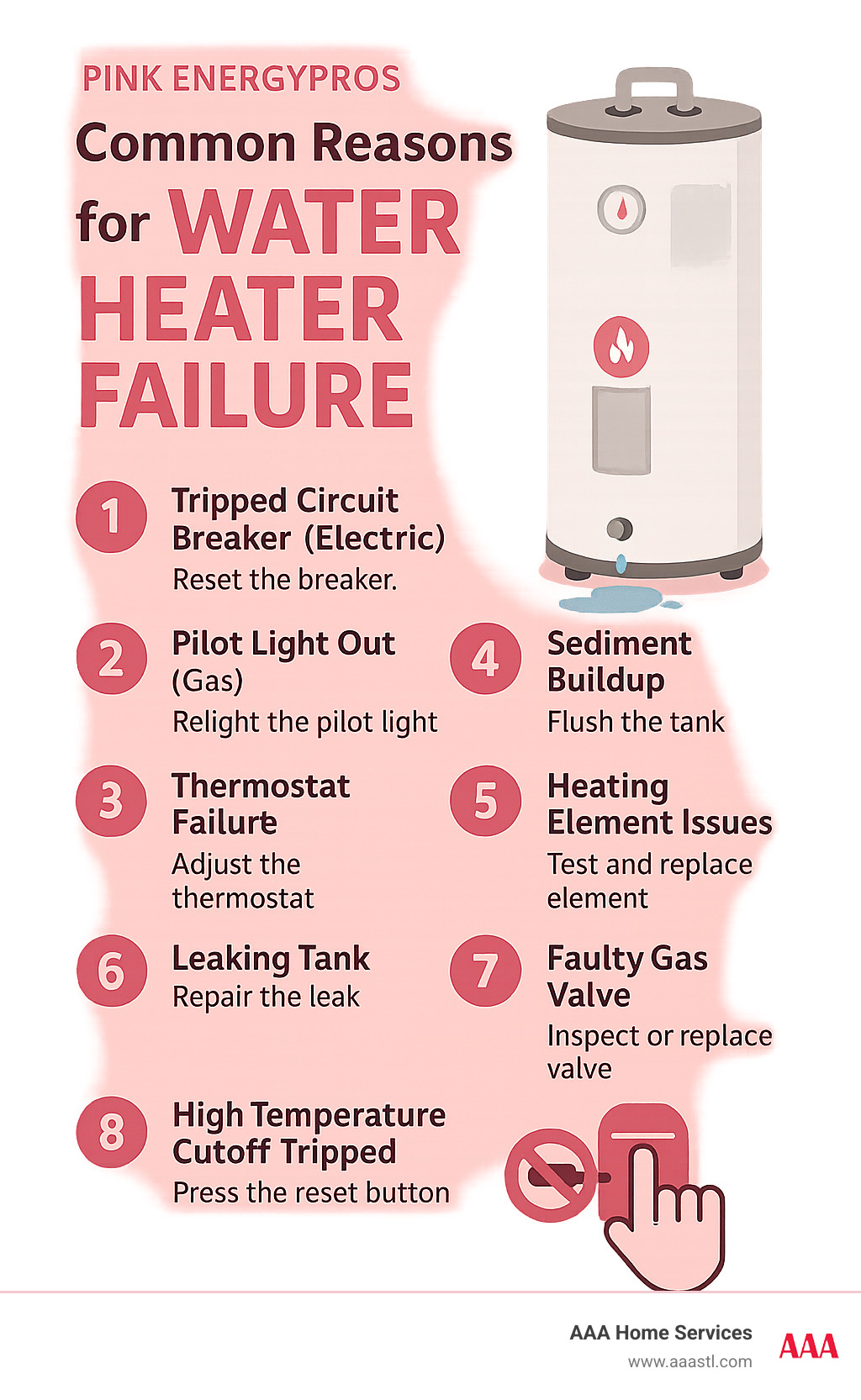
Credit: www.aaastl.com
How A Gas Water Heater Thermostat Works
Understanding how a gas water heater thermostat works helps to identify problems quickly. The thermostat controls the water temperature inside the tank. It ensures water heats to the set level without wasting energy. This part is vital for safe and efficient water heating.
Basic Thermostat Function
The thermostat acts like a temperature sensor. It detects the water temperature inside the tank. When the water gets cold, the thermostat signals the gas valve. This opens the valve, letting gas flow to the burner. The burner then heats the water until the thermostat is satisfied.
Temperature Control Mechanism
The thermostat has a dial to set the desired water temperature. Inside, a sensing element reacts to temperature changes. It expands or contracts, moving a switch inside the device. This switch turns the gas burner on or off. This cycle repeats to keep water at a steady temperature.
Common Causes Of Thermostat Failure
The thermostat in a gas water heater controls the water temperature. When it stops working, the water may get too hot or stay cold. Many problems cause thermostat failure. Knowing these helps in fixing the heater quickly and safely.
Wiring Problems
Loose or broken wires can stop the thermostat from working. Wires may get damaged by heat or pests. Faulty wiring causes the heater to turn off or not heat properly. Check wires carefully for any signs of wear or breaks.
Sensor Malfunctions
The thermostat uses sensors to read water temperature. If sensors fail, the thermostat gets wrong information. This leads to incorrect heating. Sensors can be dirty, damaged, or worn out over time. Cleaning or replacing sensors often solves the issue.
Wear And Tear
Thermostats wear out with age. Constant use causes parts to break down. Springs, switches, and contacts inside the thermostat may fail. Old thermostats lose accuracy or stop working completely. Replacing old parts or the whole thermostat can restore function.

Credit: www.sportyard.sa
Tools Needed For Troubleshooting
Troubleshooting a gas water heater thermostat requires the right tools. These tools help you check and fix the thermostat safely. Using proper tools makes the process easier and more accurate. Here are the key tools needed for this task.
Multimeter
A multimeter measures electrical current and voltage. It helps test if the thermostat gets power. You can also check if the thermostat switches on and off properly. This tool is essential for diagnosing electrical problems.
Screwdrivers
Screwdrivers are needed to open the water heater’s cover. They help remove screws without damaging the unit. Having both flat-head and Phillips screwdrivers is useful. These tools allow safe access to the thermostat and wiring.
Replacement Parts
Sometimes the thermostat or related parts must be replaced. Having common replacement parts ready saves time. This includes thermostats, wires, and connectors. Using the right parts ensures your heater works well again.
Step-by-step Thermostat Troubleshooting
Troubleshooting a gas water heater thermostat can solve many common heating problems. This guide breaks down the process into simple steps. Follow each carefully for safe and effective results. Basic tools and a little patience are all you need.
Power Off And Safety Checks
Start by turning off the gas supply. Switch off the electricity or unplug the heater. This prevents accidents during inspection. Use gloves to protect your hands. Check the area is dry and well-lit. Safety first before touching any parts.
Inspecting The Thermostat
Remove the thermostat cover carefully. Look for signs of damage or corrosion. Dirt or rust can affect thermostat performance. Clean gently with a dry cloth if needed. Check wires for loose connections or breaks. Tighten any loose screws holding wires in place.
Testing With A Multimeter
Set your multimeter to the continuity setting. Touch the meter probes to thermostat terminals. A beep or zero reading means the thermostat works. No beep means it may be faulty. Test all terminals to be sure. Replace the thermostat if no continuity is found.
Resetting The Thermostat
Many thermostats have a reset button. Press and hold it for a few seconds. This can clear minor faults and errors. After resetting, turn the power back on. Watch for normal heater operation. Repeat testing if problems continue.
Easy Thermostat Fixes
Fixing a gas water heater thermostat can be simple. Many problems come from small issues that anyone can solve. Basic checks and minor adjustments often bring back hot water quickly. These easy fixes save money and time. Let’s explore some straightforward steps to restore your thermostat’s function.
Cleaning The Thermostat
Dirt and dust can stop the thermostat from working well. Turn off the heater before cleaning. Use a soft brush or cloth to wipe the thermostat gently. Remove any buildup around the sensor. Clean contacts help the thermostat read temperature correctly. Regular cleaning prevents future problems and keeps the heater efficient.
Replacing Faulty Wiring
Loose or damaged wires cause thermostat failure. Check the wiring for cracks or burns. Turn off power before inspecting wires. Replace any broken or worn wires with new ones. Secure connections tightly to avoid shorts. Proper wiring ensures the thermostat communicates well with the heater. This fix often restores heating quickly and safely.
Adjusting Temperature Settings
Incorrect temperature settings may seem like a fault. Check the thermostat dial or digital control. Set the temperature to the recommended level, usually around 120°F (49°C). Avoid setting too low or too high. Proper settings balance comfort and energy use. Simple adjustments can fix many heating issues instantly.
When To Replace The Thermostat
Knowing when to replace your gas water heater thermostat saves time and money. A broken thermostat can cause water to be too hot or cold. It can also lead to higher energy bills. Early replacement keeps your water heater working well and your home safe.
Signs Replacement Is Needed
The water temperature changes often without adjustment. Hot water runs out quickly or never gets hot enough. The pilot light goes out regularly. The water heater makes strange noises. These signs show the thermostat may be failing.
Choosing The Right Thermostat
Check the model and brand of your current thermostat. Match the new thermostat to your water heater type. Look for energy-efficient models to save on bills. A simple thermostat with clear settings works best for most homes.
Installation Tips
Turn off the gas and power before starting. Use a voltage tester to ensure safety. Remove the old thermostat carefully without damaging wires. Connect wires to the new thermostat as shown in the manual. Test the water heater before fully reassembling. Call a professional if unsure about any step.
Preventive Maintenance Tips
Preventive maintenance keeps your gas water heater’s thermostat working well. It stops small problems from turning into big issues. Regular care helps your heater last longer and work safely.
Regular Inspections
Check your thermostat and heater often. Look for signs of damage or wear. Make sure the thermostat is set correctly. Catching problems early saves time and money.
Keeping Components Clean
Dust and dirt can block parts of the heater. Clean the thermostat and nearby components carefully. Use a soft cloth or brush. Clean parts work better and last longer.
Scheduling Professional Checkups
Hire a professional for a full system check once a year. Experts find hidden problems and fix them safely. They ensure your heater meets safety rules. Professional care keeps your home safe and warm.
Safety Precautions
Safety is the top priority when dealing with a gas water heater thermostat that is not working. Faulty thermostats can cause gas leaks or electrical problems. Taking proper precautions can prevent accidents and injuries. Always follow safety steps before trying any repairs or checks.
Handling Gas Appliances Safely
Turn off the gas supply before touching the water heater. Keep the area well-ventilated to avoid gas buildup. Do not use open flames near the heater. Check for gas odors regularly. If you smell gas, leave immediately and call for help.
Avoiding Electrical Hazards
Switch off power to the water heater at the breaker box. Use insulated tools to avoid electric shocks. Never touch wires with wet hands. Be careful when working near electrical parts. Double-check power is off before starting any work.
When To Call A Professional
Call a licensed technician if you notice gas smells or sparks. Do not try to fix gas leaks or wiring problems yourself. Professional help ensures safe and proper repairs. It saves you time and prevents serious risks. Trust experts for complex issues or if unsure.

Credit: waterheatertimer.org
Frequently Asked Questions
Why Is My Gas Water Heater Thermostat Not Working?
A faulty thermostat can cause your water heater to stop heating. It may be due to wiring issues, sensor problems, or a defective thermostat. Check for power supply and replace the thermostat if needed to restore proper heating.
How Can I Test A Gas Water Heater Thermostat?
Turn off the power and remove the thermostat cover. Use a multimeter to test for continuity between terminals. No continuity means the thermostat is faulty and requires replacement to ensure accurate temperature control.
What Are Common Signs Of A Bad Water Heater Thermostat?
Signs include inconsistent water temperature, no hot water, or water that is too hot. The heater may cycle on and off frequently. These issues often indicate a malfunctioning thermostat needing inspection or replacement.
Can I Fix A Gas Water Heater Thermostat Myself?
Yes, if you have basic electrical knowledge and tools, you can replace the thermostat. Always turn off power and gas supply before starting. For complex issues, consult a professional to avoid safety risks.
Conclusion
A gas water heater thermostat not working can cause many problems. It may stop hot water from flowing or make water too hot. Checking the thermostat regularly helps avoid these issues. Small fixes can save money and time. Sometimes, calling a professional is the safest choice.
Taking care of your water heater keeps your home comfortable and safe. Don’t ignore strange signs; act quickly to fix them. Your heater will work better and last longer with proper care. Simple steps make a big difference.