
Is your gas water heater leaking water from the bottom? If so, you’re probably worried about what’s causing it and how serious the problem might be.
A leak can quickly turn from a small drip into a costly mess that damages your home. But don’t panic just yet. Understanding why your heater is leaking and what you can do about it will help you fix the issue before it gets worse.
Keep reading to find out the common reasons behind this problem and the simple steps you can take to protect your home and your wallet.
Credit: www.ragsdaleair.com
Common Causes Of Bottom Leaks
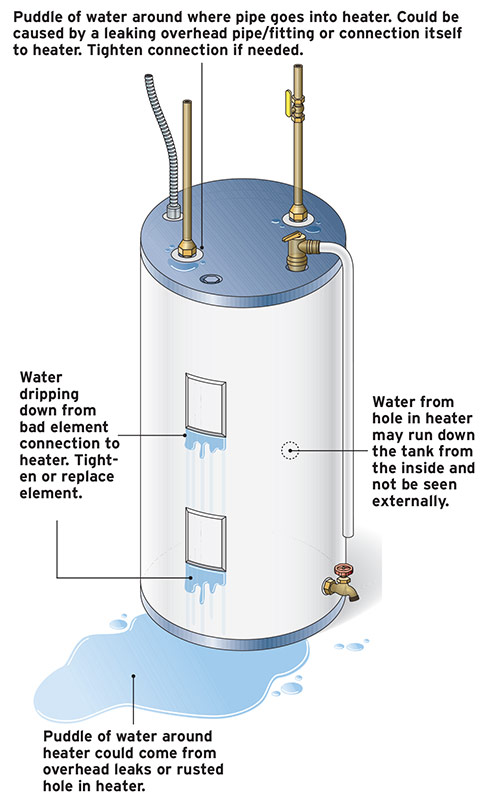
Water leaking from the bottom of a gas water heater is a common issue. Several causes can lead to this problem. Identifying the exact cause helps in fixing it quickly. Below are the most common reasons for leaks at the bottom of your heater.
Corroded Tank
The tank inside the water heater can rust over time. Rust weakens the metal and creates holes. Water then leaks through these holes. Corrosion usually happens in older heaters or those with poor maintenance.
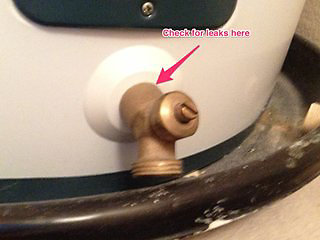
Loose Drain Valve
The drain valve is at the tank’s base for emptying water. If it is loose or damaged, water can drip or leak out. Tightening the valve or replacing it can stop the leak.
Faulty Temperature Pressure Valve
This valve releases excess pressure and heat. If it malfunctions, it may leak water from the bottom. A faulty valve needs repair or replacement to prevent damage.
Condensation Issues
Condensation can look like a leak but is just water from air moisture. It forms around the tank bottom in humid areas. Proper ventilation or insulation reduces condensation buildup.
Credit: www.sirelmagroup.it
How To Identify Leak Source
Finding where your gas water heater is leaking is the first step to fix it. Water leaking from the bottom can come from different parts. Pinpointing the exact source saves time and money. Follow these simple checks to identify the leak origin quickly.
Visual Inspection Steps
Start by looking closely at the base of your water heater. Check for wet spots or rust around the tank. Look for water puddles or drips. Use a flashlight to see dark or hidden areas. Note where the water appears most often. This helps narrow down the leak location.
Checking The Drain Valve
Locate the drain valve near the bottom of the tank. See if water is dripping or pooling under it. Sometimes the valve might be loose or damaged. Tighten it gently with a wrench if needed. If the leak continues, the valve may need replacement.
Examining The Pressure Relief Valve
The pressure relief valve is usually on the side or top of the tank. Check if water is leaking from its pipe or base. This valve releases pressure if it rises too high. A faulty valve can drip water continuously. Test it by lifting the valve lever carefully. Watch for water flow and stop if it leaks.
Assessing Tank Condition
Look over the tank surface for cracks or rust spots. Rust can weaken the tank and cause leaks. Tap gently to listen for thin or weak areas. Any sign of damage means the tank might need replacement. A leaking tank often cannot be repaired safely.
Quick Fixes For Minor Leaks
Minor leaks at the bottom of a gas water heater can cause worry. These leaks often come from small issues. Quick fixes can stop the leak and save you time and money. Most fixes need only simple tools and parts. Acting fast prevents bigger problems and water damage. Here are easy steps to fix minor leaks yourself.
Tightening Loose Components
Loose parts can cause water to drip from the heater. Use a wrench to gently tighten bolts and nuts. Check the water inlet and outlet pipes. Don’t overtighten; this can cause damage. Tightening stops small leaks and keeps the heater stable.
Replacing Drain Valve Washer
The drain valve often leaks due to a worn washer inside. Turn off the water and gas supply first. Open the valve to drain some water. Remove the valve handle and old washer. Fit a new washer of the same size. Reassemble and check for leaks after turning the water back on.
Sealing Small Cracks
Small cracks in the tank or pipes cause slow leaks. Use waterproof epoxy putty to seal cracks. Clean the area well before applying the putty. Press putty firmly over the crack and smooth it out. Let it dry completely before using the heater again.
When To Replace Parts
Knowing when to replace parts of a gas water heater is key to keeping it safe and working well. Leaks from the bottom often signal worn parts or a failing tank. Early action can stop bigger damage and save money on repairs.
Signs Of Valve Wear
Valve wear causes slow leaks or drips at the bottom of the heater. Look for rust or mineral build-up around the valve. If water leaks steadily, the valve seal may be damaged. A valve that won’t close fully also needs replacement. Worn valves reduce heater efficiency and can lead to bigger leaks.
Tank Replacement Indicators
Leaks from the tank itself mean it is time for replacement. Check for cracks, corrosion, or rust on the tank surface. Water pooling under the heater is a strong sign the tank is failing. Old tanks often develop holes that cannot be fixed. Replacing the tank prevents water damage and ensures safe operation.
Preventive Maintenance Tips
Preventive maintenance helps keep your gas water heater safe and efficient. It can stop leaks before they start. Small checks and simple care make a big difference. Follow these tips to protect your water heater and save money on repairs.
Regular Inspection Schedule
Check your water heater every few months. Look for signs of rust or wet spots around the base. Listen for strange noises. Catching issues early helps avoid leaks and damage. Write down your inspections to track any changes.
Flushing The Tank
Flush the tank once a year to remove sediment build-up. Sediment causes corrosion and weak spots that lead to leaks. Turn off the heater and drain the water completely. Flush with clean water until it runs clear. This keeps the heater working well longer.
Checking Pressure Settings
Test the pressure relief valve regularly. High pressure can cause leaks at the bottom of the tank. Use a pressure gauge to check levels. Adjust or replace the valve if pressure is too high. Proper pressure protects the tank’s integrity and your safety.
Safety Precautions During Repairs
Fixing a gas water heater leaking water from the bottom needs care. Safety comes first. Ignoring safety can cause accidents or damage. Follow these key steps to protect yourself and your home during repairs.
Turning Off Gas And Water Supply
Stop the gas supply before starting any repair. Gas leaks are dangerous and can cause fire. Locate the gas valve and turn it off tightly. Next, close the water supply valve. This prevents water from flowing and making a bigger mess. Always double-check both valves are off before touching the heater.
Proper Ventilation
Work in a well-ventilated area. Gas fumes can build up quickly and harm health. Open windows and doors to let fresh air in. Avoid using power tools in closed spaces. Good airflow keeps dangerous gases from collecting and reduces fire risk.
Using Protective Gear
Wear safety glasses to protect your eyes from splashes. Gloves protect hands from hot water and sharp parts. Use long sleeves to avoid burns and cuts. Proper gear lowers injury risk and keeps you safe during repairs.
Hiring A Professional Plumber
Hiring a professional plumber is often the best step when your gas water heater leaks from the bottom. Water leaks can cause serious damage and affect your home’s safety. A skilled plumber has the tools and knowledge to find the exact cause and fix it quickly. Trusting an expert reduces risks and saves time.
When Diy Isn’t Enough
Small leaks might seem easy to fix, but gas water heaters are complex. Mistakes can lead to gas leaks or water damage. DIY repairs may only be temporary. A plumber can spot hidden problems and avoid future leaks. Safety is a top concern with gas appliances.
Choosing The Right Expert
Pick a licensed plumber with experience in gas water heaters. Check reviews and ask for recommendations. Verify their license and insurance before hiring. An expert uses quality parts and follows safety rules. Proper repair ensures your heater works well and lasts longer.
Cost Considerations
Professional repairs cost more than DIY but prevent expensive damage. A plumber’s work comes with a warranty for peace of mind. Compare quotes but avoid the cheapest option. Quality service saves money by avoiding repeated repairs.
:max_bytes(150000):strip_icc()/how-to-fix-leaking-water-heater-2719073-05-f3927d35533b43eba7776dcf13ea38e7.jpg)
Credit: www.solina.com
Frequently Asked Questions
Why Is My Gas Water Heater Leaking From The Bottom?
A leak from the bottom usually indicates a faulty drain valve or a corroded tank. Check these parts first for damage or wear. Regular maintenance can prevent leaks and extend the heater’s life.
How Do I Stop Water Leaking From My Heater’s Base?
Turn off the water and gas supply immediately. Drain the tank and inspect the drain valve and connections. Tighten or replace faulty parts to stop the leak effectively.
Can A Leaking Water Heater Cause Damage To My Home?
Yes, leaks can cause water damage, mold growth, and structural issues. Address leaks promptly to avoid costly repairs and maintain home safety.
When Should I Replace A Leaking Gas Water Heater?
Replace the heater if the tank is corroded or leaks persist after repairs. Typically, water heaters last 8-12 years, so consider age and damage severity.
Conclusion
A gas water heater leaking from the bottom needs quick attention. Small leaks can turn into big problems fast. Check the tank and pipes for cracks or rust. Sometimes, tight connections solve the issue. Regular maintenance helps avoid leaks and saves money.
Don’t ignore any signs of water pooling near the heater. Fixing leaks early keeps your home safe and your heater working well. Stay alert and act fast to protect your water heater and your home.