Is your electric hot water heater not getting hot enough? You rely on your water heater every day for showers, washing dishes, and cleaning up.
When the water isn’t as warm as it should be, it can quickly turn into a frustrating problem. You might wonder why this is happening and how to fix it without spending a fortune. You’ll discover the common reasons behind your water heater’s low temperature and simple steps you can take to bring the heat back.
Keep reading to get your hot water flowing just the way you want it.
Common Causes
Electric hot water heaters may not heat water properly due to several common causes. Identifying these issues helps fix the problem quickly. This section covers the main reasons why your heater might not get hot enough.
Thermostat Issues
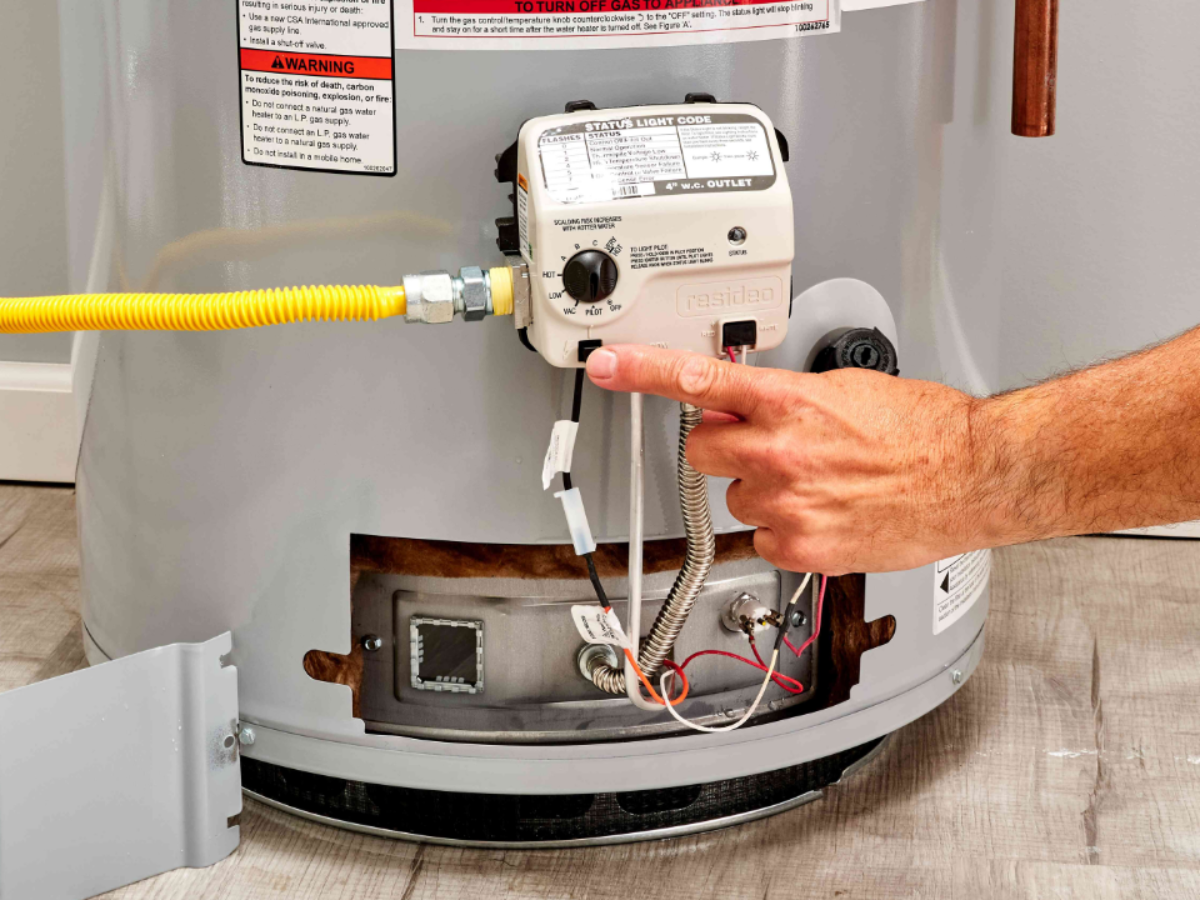
The thermostat controls the water temperature inside the heater. If it is set too low, water will not heat enough. Sometimes, the thermostat can break or become faulty. This stops the heater from reaching the right temperature. Checking and adjusting the thermostat can solve the issue.
Heating Element Problems
Heating elements warm the water in the tank. Over time, they can wear out or burn out. A damaged element cannot heat water properly. Testing and replacing faulty elements restores proper heating. Regular maintenance helps keep elements working well.
Sediment Buildup
Mineral deposits settle at the bottom of the tank as sediment. This layer blocks heat transfer from the element to the water. Sediment reduces heating efficiency and can cause damage. Flushing the tank removes sediment and improves heating performance.
Electrical Supply Faults
The heater needs a steady electrical supply to work correctly. Loose wires or tripped breakers can interrupt power. Faulty wiring or switches may also cause issues. Checking the electrical connections ensures the heater gets enough power.

Credit: salubrista.udea.edu.co
Signs Of Trouble
Electric hot water heaters usually provide steady, warm water. Signs of trouble appear when the heater fails to keep water hot. Early detection helps prevent bigger issues and costly repairs. Watch for these common warning signs.
Inconsistent Water Temperature
Water temperature changes suddenly or feels too cool. Sometimes hot, sometimes cold. This uneven heat shows the heater struggles to keep a steady temperature. It may point to thermostat or heating element problems.
Long Heating Times
Water takes longer than usual to warm up. Waiting more than 30 minutes for hot water is a red flag. Slow heating means the element could be weak or damaged. The heater uses more energy but delivers less heat.
Unusual Noises
Strange sounds come from the heater tank. Popping, rumbling, or banging noises are common. These noises mean sediment buildup inside the tank. Sediment blocks heat transfer and reduces efficiency.
Increased Energy Bills
Electric bills rise without extra water use. The heater works harder to heat water. This extra effort uses more electricity. Higher bills often signal a malfunctioning or inefficient water heater.
Troubleshooting Steps
Troubleshooting an electric hot water heater that is not heating enough can solve many common problems. This section guides you through basic steps. Each step helps find the cause and fix it. Follow these instructions carefully to check your heater’s performance.
Checking The Thermostat Settings
Start by checking the thermostat. The thermostat controls water temperature. Make sure the setting is at least 120 degrees Fahrenheit. Lower settings can cause lukewarm water. Adjust the thermostat if needed. Wait a few hours and test the water again.
Inspecting Heating Elements
The heating elements warm the water inside the tank. Over time, they can wear out or break. Turn off the power before inspecting. Use a multimeter to test the element’s resistance. A broken element will show no continuity. Replace faulty elements to restore heat.
Flushing The Tank
Mineral build-up inside the tank reduces heating efficiency. Flushing removes this sediment. Turn off the power and water supply first. Connect a hose to the drain valve and empty the tank. Flush with clean water until clear. This helps improve water temperature and heater life.
Testing Electrical Connections
Loose or damaged wiring can stop the heater from working well. Turn off the power before inspection. Check all wires and terminals for tightness and corrosion. Repair or replace any damaged parts. Proper connections ensure the heater runs safely and efficiently.
When To Call A Professional
Knowing when to call a professional for your electric hot water heater saves time and prevents damage. Some problems need expert skills to fix safely and correctly. Trying to repair complex issues alone can cause more trouble or risk injury.
Safety Concerns
Electric hot water heaters use high voltage electricity. This can be dangerous without proper tools and knowledge. If you notice sparks, burning smells, or water leaks near electrical parts, stop using the heater. Call a professional to avoid electric shocks or fire hazards.
Complex Electrical Issues
Problems like faulty wiring or a broken heating element require expert diagnosis. These repairs need special equipment and skills. A professional can test the system safely and find the exact cause. This prevents costly mistakes and ensures your heater works properly.
Persistent Temperature Problems
If your water stays cold or only warms slightly after several attempts to fix, call a technician. Continuous temperature issues may signal a deeper problem inside the heater. A professional can inspect and repair parts beyond simple fixes. This keeps your hot water reliable and consistent.
Maintenance Tips
Maintaining your electric hot water heater is key to keeping water hot and saving energy. Simple checks and regular care help avoid common problems. These tips keep your heater working well and extend its life.
Regular Flushing Schedule
Flush the tank every six months to remove sediment build-up. Sediment blocks heat transfer, making water less hot. Use cold water to flush out the tank until clear water flows. This keeps the heater efficient and prevents damage.
Thermostat Calibration
Check the thermostat setting to ensure correct water temperature. Set it between 120°F and 140°F for safety and comfort. Use a thermometer to verify water temperature. Adjust the thermostat if water is not hot enough.
Inspecting For Leaks
Look for water leaks around the heater and pipes. Leaks cause heat loss and increase energy bills. Fix small leaks quickly to avoid bigger problems. Tighten connections or replace damaged parts as needed.
Energy-saving Practices
Insulate the hot water tank and pipes to reduce heat loss. Lower the thermostat during long absences or vacations. Use water-saving fixtures to reduce hot water use. These actions cut energy costs and improve heater performance.
Credit: www.healingwithhorsesranch.org
Upgrading Options
Upgrading your electric hot water heater can solve the problem of water not getting hot enough. New models offer better performance and energy savings. Choose the right upgrade to fit your home and needs.
High-efficiency Models
High-efficiency water heaters use less electricity to heat water. They have better insulation to keep water hot longer. These models reduce energy bills and provide more consistent hot water. Replacing an old unit with a high-efficiency model is a smart choice.
Tankless Water Heaters
Tankless water heaters heat water only when needed. No hot water is stored, so there is less heat loss. They provide endless hot water and save space. These heaters work well in homes with low to medium hot water demand.
Smart Controls
Smart controls let you manage your water heater from a phone. Set schedules and adjust temperature easily. These controls help save energy by heating water only at needed times. They add convenience and improve heater performance.
Credit: www.eecusa.com
Conclusion
Electric hot water heaters may lose heat over time. Check the thermostat setting first. Sediment buildup can block heating elements. Clean or replace parts if needed. Regular maintenance helps keep water hot. Small issues can cause big problems. Call a professional if unsure about repairs.
Stay warm and comfortable with proper care. Don’t ignore signs of trouble in your heater. A little effort saves money and hassle later. Keep your home’s water hot and ready.