Is your electric water heater acting up when you need hot water the most? You’re not alone, and the good news is many common issues can be fixed without calling a professional.
Imagine stepping into a warm shower after a long day, only to find the water cold or lukewarm. Frustrating, right? Understanding how to troubleshoot your electric water heater can save you time, money, and stress. You’ll discover simple, effective ways to diagnose and solve the most frequent problems with your water heater.
Keep reading to get your hot water flowing again quickly and easily.
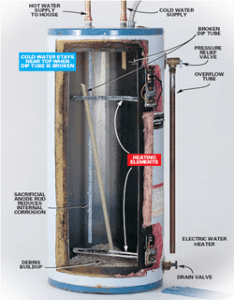
Credit: www.cartersmyplumber.com
Common Electric Water Heater Issues
Electric water heaters can face several common problems. Knowing these issues helps you fix them fast. This section explains the most usual troubles and how they affect your water heater’s performance.
No Hot Water
No hot water is the most frequent problem. It happens when the heating element breaks or the thermostat fails. Sometimes, a tripped circuit breaker or blown fuse stops power to the heater. Check these parts to restore hot water quickly.
Water Not Hot Enough
Water feels warm but not hot enough. The thermostat might be set too low or is faulty. Sediment build-up inside the tank can also reduce heating efficiency. Adjust the thermostat or flush the tank to improve water temperature.
Water Too Hot
Water coming out too hot can cause burns. A thermostat set too high causes this. Faulty thermostats can also overheat water. Lower the thermostat setting and replace it if needed for safe water temperature.
Strange Noises
Unusual sounds like popping or rumbling come from the tank. Sediment buildup causes these noises. Heating elements working harder can also make sounds. Flushing the tank removes sediment and quiets the heater.
Water Leaks
Water leaking around the heater is a serious issue. Loose connections, faulty valves, or a damaged tank cause leaks. Find the leak source and tighten connections or replace parts. Leaks need fast repair to prevent damage.
Basic Safety Checks
Basic safety checks are the first step in troubleshooting an electric water heater. These checks help identify common issues quickly. They keep you safe and prevent further damage. Always turn off power before inspecting any part of the heater.
Power Supply Inspection
Check if the water heater is plugged in properly. Look for any loose or damaged wires. Confirm the circuit breaker has not tripped. Use a voltage tester to ensure power reaches the heater. No power means the unit will not work.
Reset Button Use
Find the reset button on the heater’s thermostat panel. Press it firmly to reset the system. This button cuts off power if the heater overheats. Resetting may restore normal function. Do not press repeatedly; if it trips often, call a professional.
Thermostat Settings
Check the thermostat temperature setting. It should be set between 120 and 140 degrees Fahrenheit. Too low means no hot water. Too high risks overheating and wasting energy. Adjust the thermostat with the power off for safety.
Fixing No Hot Water
Fixing no hot water in your electric water heater can be simple. A few basic checks can often solve the problem. This section guides you through easy steps to find and fix the issue.
Checking Circuit Breaker
First, check the circuit breaker. The water heater might not get power if the breaker trips. Go to your home’s electrical panel and look for a switch that is off or in the middle. Flip it off and then back on to reset it. If it trips again, call an electrician.
Testing Heating Elements
The heating elements warm the water inside the tank. Use a multimeter to test them for continuity. Turn off power to the heater before testing. Remove the access panel and insulation to reach the elements. If the multimeter shows no continuity, the element is broken and needs replacement.
Replacing Faulty Components
Faulty parts cause no hot water issues. Heating elements and thermostats are common parts to replace. Make sure to buy parts that fit your water heater model. Turn off power and water supply before replacement. Follow the manufacturer’s instructions for safe installation. After replacing, restore power and check if hot water returns.
Adjusting Water Temperature
Adjusting the water temperature of your electric water heater is key for comfort and safety. Too hot water can cause burns. Too cold water means the heater might not work well. Simple steps can help you get the right temperature.
Thermostat Calibration
The thermostat controls how hot your water gets. Sometimes it needs calibration to work correctly. First, turn off the power to the heater. Remove the access panel to find the thermostat.
Use a screwdriver to adjust the dial. Set it to the recommended temperature, usually 120°F (49°C). Turn the power back on and wait 30 minutes. Check the water temperature with a thermometer.
Repeat this process if the water is still too hot or cold. Proper calibration saves energy and prevents scalding.
Replacing Thermostat
A faulty thermostat can cause temperature problems. If calibration does not help, replacement might be needed. Switch off the power before starting.
Remove the access panel and disconnect the wires from the old thermostat. Note the wire positions to avoid errors. Install the new thermostat and reconnect the wires carefully.
Secure the access panel and restore power. Test the water temperature after a few hours. A new thermostat often fixes heating issues quickly.
Eliminating Strange Noises
Strange noises from an electric water heater can be annoying and worrying. These sounds often signal a problem inside the tank. Fixing the noise early can stop bigger issues. Two common causes are sediment buildup and faulty heating elements.
Flushing Sediment
Hard water leaves minerals inside the tank. These minerals settle at the bottom as sediment. Sediment causes popping and crackling sounds during heating. Flushing the tank removes these deposits. Turn off the power and water supply first. Attach a hose to the drain valve. Open the valve and let the water flow out. Close the valve after flushing. Refill the tank and turn the power back on. This process reduces noise and improves heater efficiency.
Inspecting Heating Elements
Heating elements can wear out or get covered in sediment. This causes humming or buzzing noises. Turn off the power to the heater before inspecting. Remove the access panel and check the elements. Look for corrosion or damage. Clean or replace elements if needed. Proper elements keep the water heater running quietly. Regular checks help avoid noise and heating problems.

Credit: www.sirelmagroup.it
Stopping Water Leaks
Stopping water leaks in an electric water heater is important. Leaks waste water and can cause damage. Finding the source of the leak is the first step. Some leaks are easy to fix. Others might need parts replaced. Here are some common fixes to stop leaks fast.
Tightening Connections
Loose connections cause many water leaks. Check the pipes and fittings around the heater. Use a wrench to gently tighten loose nuts. Do not overtighten, or you may cause damage. Tight connections stop drips and slow leaks quickly. Always turn off the water supply first.
Replacing Pressure Relief Valve
The pressure relief valve controls pressure inside the tank. A faulty valve can leak water. Look for water pooling near the valve. Replace it with a new valve of the same size. Turn off power and water before replacing. This fix helps prevent leaks and keeps the heater safe.
Repairing Tank Leaks
Tanks may develop small leaks from rust or damage. Small leaks can sometimes be patched. Use a waterproof sealant designed for tanks. Clean and dry the area before applying sealant. Large leaks mean the tank needs replacement. Repairing leaks early can save your heater and home.
When To Call A Professional
Knowing when to call a professional for electric water heater issues is important. Some problems need expert care to avoid danger or damage. Simple fixes can be done at home, but serious troubles require a skilled technician.
Calling a professional saves time and ensures safety. It also helps prevent costly repairs later. Understanding the signs that need expert help is key to keeping your water heater working well.
Electrical Issues Beyond Diy
Electric water heaters use high voltage. Handling wiring or electrical parts can be risky. If you notice sparks, burning smells, or tripped breakers, stop working immediately. These signs show electrical problems that need a professional. They have tools and knowledge to fix these safely.
Major Component Failures
Parts like the heating element or thermostat can fail. If your water heater does not heat water or heats it unevenly, parts might be broken. Replacing these parts involves opening the unit and testing components. This work is best left to experts who know the exact process and safety steps.
Persistent Leaks
Leaks around your water heater cause water damage and waste energy. Small drips might be fixed by tightening connections. Large or ongoing leaks suggest a bigger problem. It could be a faulty valve or tank corrosion. Professionals can find the leak source and fix it properly to avoid further damage.

Credit: www.youtube.com
Frequently Asked Questions
How Do I Reset My Electric Water Heater?
To reset, turn off the power and remove the access panel. Press the red reset button on the thermostat. Restore power and check if the heater works. Resetting resolves minor electrical faults and overheating issues.
Why Is My Electric Water Heater Not Heating Water?
Common causes include a tripped circuit breaker, faulty thermostat, or heating element failure. Check power supply and reset if needed. Replace defective parts to restore heating function. Regular maintenance helps prevent these problems.
What Causes Electric Water Heater Leaks?
Leaks often stem from a faulty temperature-pressure relief valve, loose connections, or tank corrosion. Inspect and tighten fittings. Replace damaged valves or tanks to avoid water damage and maintain efficiency.
How Long Does An Electric Water Heater Last?
Typically, electric water heaters last 10 to 15 years. Longevity depends on maintenance, water quality, and usage. Regular flushing and inspection extend lifespan and improve performance.
Conclusion
Troubleshooting an electric water heater can save time and money. Start with simple checks like power supply and thermostat settings. Small fixes often solve common problems quickly. Safety matters—always turn off power before inspecting. If issues persist, calling a professional is wise.
Regular maintenance helps prevent future troubles. Knowing basic steps boosts your confidence. Hot water should never be a worry. Stay calm and follow clear guidance. Your heater can work well again soon.