
Are you thinking about installing a tankless water heater? Before you start, it’s crucial to understand the specific codes that apply to your area.
These codes ensure your new system is safe, efficient, and up to standard. Ignoring them can lead to costly fines or even dangerous situations. You’ll discover exactly what tankless water heater codes you need to follow, how they impact your installation, and what you can do to stay compliant.
Keep reading to make sure your water heater upgrade is smooth, safe, and hassle-free.
Key Tankless Water Heater Codes
Understanding the key tankless water heater codes is essential for safe and legal installation. These codes protect your home and ensure the heater works properly. Following the rules helps avoid costly repairs or fines. Each area has specific standards you must meet. Below are the main code categories to know before installing a tankless water heater.
Local Building Regulations
Local building regulations control where and how you install tankless water heaters. They include rules about venting, clearances, and placement. Some areas require permits before installation. Inspectors check these rules to confirm safety. Always check with your local authority for exact requirements. Ignoring these rules can lead to failed inspections or removal orders.
Electrical Requirements
Electrical codes set standards for wiring and power supply. Tankless heaters need proper circuits to prevent overloads. The heater’s voltage and amperage must match electrical codes. Ground-fault circuit interrupters (GFCIs) might be required. Correct wiring reduces fire risks and improves efficiency. Use certified electricians to meet all electrical standards.
Plumbing Standards
Plumbing codes cover water connections and pipe materials. They ensure the heater connects safely to hot and cold water lines. Codes specify pipe size and type to avoid leaks. Expansion tanks may be needed to handle water pressure changes. Proper drainage and backflow prevention are also important. Following plumbing standards ensures clean water and long equipment life.
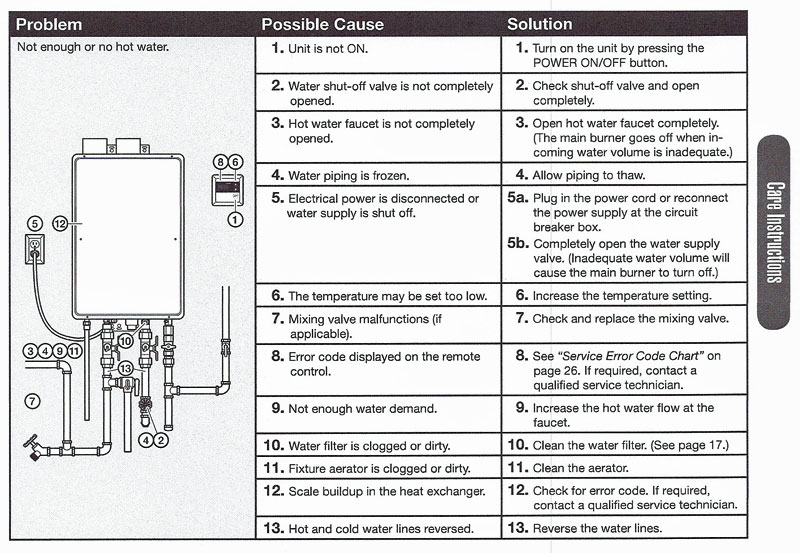
Credit: www.dangerfieldsofshakopee.com
Installation Guidelines
Installing a tankless water heater requires careful attention to local codes and safety rules. These guidelines help ensure the unit works well and stays safe over time. Proper setup avoids problems like leaks, poor heating, or even fire hazards. Follow each rule to keep your home safe and your water heater efficient.
Proper Ventilation Needs
Tankless water heaters produce gases that must escape safely. Vent pipes should lead outside to prevent gas buildup indoors. Use vent materials approved by local codes, often stainless steel or special plastic. Make sure vents are not blocked or damaged. Proper airflow keeps the heater running smoothly and safely.
Clearance And Space Rules
Install the water heater with enough space around it. Keep clearances from walls, ceilings, and other objects as required by code. This space allows for heat to escape and helps with maintenance access. Avoid placing the unit in tight or enclosed areas. Following clearance rules reduces fire risks and improves air flow.
Mounting Specifications
Mount the tankless water heater on a strong, stable wall. Use the mounting hardware that comes with the unit or is recommended by the manufacturer. Position the unit at the height specified in the instructions. Secure the heater firmly to prevent movement or damage. Proper mounting keeps the unit safe and working correctly.
Safety And Compliance
Safety and compliance are key for tankless water heaters. These units must meet strict rules to protect homes and families. Following codes ensures the heater works well and avoids accidents. Proper installation and maintenance keep the system safe and efficient.
Pressure Relief Valve Rules
Pressure relief valves stop pressure from building too high. Codes require these valves on all tankless water heaters. They must release water if pressure passes safe levels. This prevents pipes from bursting or leaking. The valve must meet size and placement standards too.
Temperature Control Standards
Temperature controls keep water from getting too hot. Codes set maximum limits to avoid burns. Most rules require controls to keep water under 120°F. Some systems use thermostats or mixing valves. These keep temperatures steady and safe for daily use.
Inspection And Testing
Inspectors check tankless water heaters for code compliance. They test valves, controls, and connections for safety. Regular inspections catch problems early. Testing ensures the heater works as designed. Homeowners should schedule inspections after installation and annually.

Credit: diy.stackexchange.com
Energy Efficiency Codes
Energy efficiency codes are rules that ensure tankless water heaters use less energy. These codes help reduce waste and lower energy bills. They also protect the environment by cutting down harmful emissions. Following these codes means choosing models that work smarter, not harder.
Minimum Efficiency Ratings
Tankless water heaters must meet specific minimum efficiency levels. These levels are set by government agencies to save energy. The ratings show how well a heater converts fuel into hot water. Higher ratings mean better efficiency and less energy use.
Energy Star Requirements
Energy Star is a label for the most efficient models. To earn this label, a tankless water heater must pass strict tests. These tests check energy use and performance. Energy Star heaters use less power without losing heat quality.
Impact On Utility Costs
Energy-efficient tankless water heaters lower your utility bills. They use less gas or electricity to heat water. This means spending less money each month. Over time, the savings can cover the cost of a new unit.
Common Code Violations
Tankless water heaters must follow strict codes to ensure safety and performance. Many installations fail to meet these rules. Common code violations cause safety risks and reduce heater efficiency. Understanding these mistakes helps avoid costly repairs and hazards.
Improper Venting Practices
Venting moves harmful gases out of the home. Incorrect venting can cause carbon monoxide buildup. Many installers use the wrong vent pipe size or material. Pipes must slope upward to prevent gas leaks. Clearances from combustibles must meet code requirements. Poor venting increases fire and poisoning risks.
Incorrect Electrical Wiring
Tankless water heaters need proper wiring for safe operation. Some installations use undersized wires or wrong breakers. Loose connections or missing ground wires are common errors. These issues cause electrical shocks or fire hazards. Following the electrical code protects your home and family.
Inadequate Clearance Issues
Clearance means the space around the heater for safety and service. Many units are installed too close to walls or objects. This blocks airflow and makes maintenance difficult. Codes specify minimum distances from walls, ceilings, and other items. Proper clearance prevents overheating and ensures easy repairs.
Installing a tankless water heater requires following local codes. Navigating permits and inspections can seem tricky. Understanding this process helps you avoid problems. It ensures your installation is safe and legal.
Permit Application Process
Start by contacting your local building department. Ask about the specific permits needed for tankless water heaters. You may need to fill out an application form. Provide details about the installation site and equipment. Pay any required fees to complete the application. Keep a copy of your permit for reference.
Inspection Checkpoints
Inspectors check several key points during the review. They look at proper venting and gas connections. Electrical wiring must meet safety standards. The water heater must be securely mounted. Inspectors verify the unit’s compliance with local codes. Passing the inspection means your heater is ready to use.
Avoiding Delays And Fines
Submit permit applications early to avoid delays. Follow all instructions carefully to prevent mistakes. Use licensed professionals for installation work. Schedule inspections promptly and be ready on time. Ignoring codes can lead to fines or forced removal. Staying compliant saves time and money in the long run.
Updates And Changes In Codes
Tankless water heater codes change often to improve safety and efficiency. These updates affect new and existing installations. Knowing the latest rules helps avoid costly mistakes. This section covers recent amendments and their impact on your systems. It also explains how to stay informed about code changes.
Recent Amendments
New codes focus on energy efficiency and safety features. Many regions now require specific venting standards. Some codes set limits on installation locations. Electrical requirements have tightened to prevent overloads. These changes help reduce risks and save energy.
Impact On Existing Installations
Older tankless heaters may need upgrades to meet new codes. Inspectors might require modifications during renovations. Some updates involve changing vent pipes or adding safety devices. Homeowners should check local rules to avoid fines. Upgrading can improve system performance and safety.
Staying Informed
Building codes vary by location and change regularly. Consult local building departments for the latest rules. Professionals like plumbers and electricians stay updated through training. Online resources and trade publications offer helpful information. Staying informed protects your investment and ensures compliance.

Credit: www.reddit.com
Frequently Asked Questions
What Are The Common Tankless Water Heater Codes?
Common codes include local plumbing codes, electrical codes, and building permits. These ensure safety and compliance with regulations.
How Do Tankless Water Heater Codes Affect Installation?
Codes dictate installation location, venting, and electrical requirements. Following codes prevents hazards and ensures efficient operation.
Are Permits Required For Tankless Water Heater Installation?
Yes, most jurisdictions require permits to ensure installations meet safety and code standards. Always check local requirements before installation.
What Safety Standards Apply To Tankless Water Heaters?
Safety standards include proper venting, gas line regulations, and electrical wiring codes. These protect users from leaks and electrical hazards.
Conclusion
Understanding tankless water heater codes keeps your home safe and efficient. These rules guide proper installation and use. Following them helps avoid costly repairs and fines. Always check local codes before buying or installing. A correctly installed unit works better and lasts longer.
Stay informed to protect your family and property. Simple steps can prevent big problems. Remember, safety and compliance go hand in hand.