
Choosing the right tankless water heater size for your family of 6 can feel overwhelming. You want enough hot water for everyone, but you don’t want to waste energy or money on a unit that’s too big.
What if you pick the wrong size and run out of hot water during a shower? Or what if your bills skyrocket because your heater is too powerful? You’ll discover exactly how to find the perfect tankless water heater that meets your family’s needs.
By the end, you’ll feel confident about making the best choice for your home and your budget. Keep reading to make sure your family never runs out of hot water again.
Benefits Of Tankless Water Heaters
Tankless water heaters offer many benefits for a family of six. They provide hot water on demand without the need for a large storage tank. This makes them an excellent choice for homes with high water use. These heaters are efficient, save space, and reduce long-term costs. Understanding their benefits helps in choosing the right size and model for your family.
Energy Efficiency
Tankless water heaters use energy only when hot water is needed. They do not keep water hot all day like traditional tanks. This reduces wasted energy and lowers utility bills. The efficiency can be up to 30% higher than standard water heaters. Less energy use means a smaller carbon footprint, helping the environment.
Space Saving Design
These heaters are compact and wall-mounted. They take up very little space compared to bulky tanks. This frees up room in closets or basements. Small size also allows installation in different locations. Perfect for homes with limited space or for those who want a cleaner look.
Long-term Cost Savings
Though tankless models cost more initially, they save money over time. Lower energy bills add up year after year. They last longer, often over 20 years, reducing replacement costs. Fewer repairs are needed compared to traditional heaters. This makes tankless water heaters a smart financial choice.
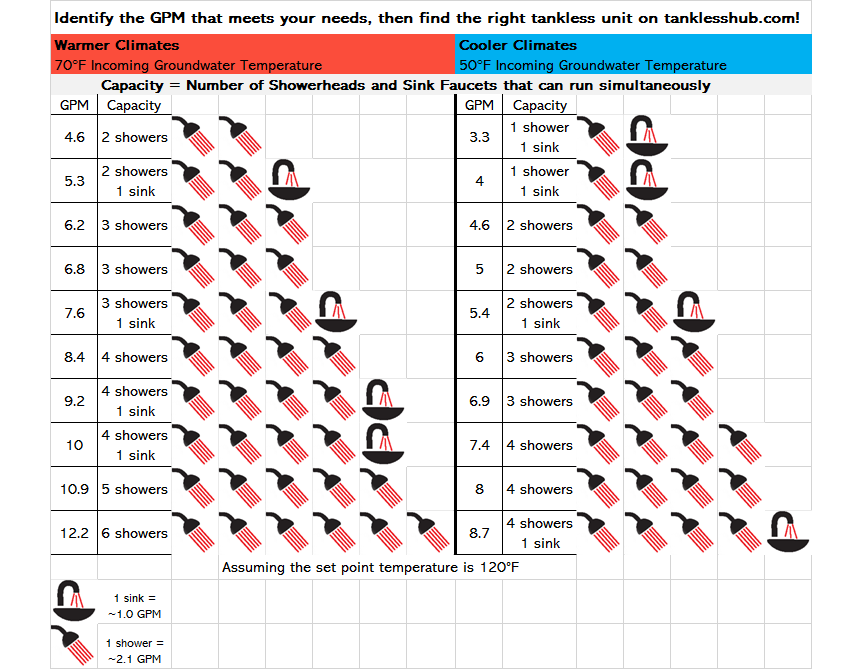
Credit: www.centraloceans.com
Factors Influencing Heater Size
Choosing the right tankless water heater size for a family of six depends on several important factors. Each factor helps determine the heater’s capacity and efficiency. Understanding these elements ensures your family gets enough hot water without wasting energy or money.
Household Water Usage
The total amount of hot water used daily affects the heater size. A family of six uses water for showers, laundry, dishes, and cooking. Higher water usage means a larger heater is needed. This prevents running out of hot water during busy times.
Peak Flow Rate Needs
Peak flow rate shows how much water flows through the heater at once. It is measured in gallons per minute (GPM). Multiple taps or appliances running together increase the flow rate. The heater must handle the highest flow rate to supply hot water continuously.
Temperature Rise Requirements
Temperature rise is the difference between incoming cold water and desired hot water. Colder climates need a higher temperature rise. This means the heater must work harder to warm the water. Knowing this helps pick a unit with enough power to meet your needs.
Calculating Flow Rate For Six People
Calculating the flow rate for a family of six is crucial when choosing a tankless water heater. The flow rate shows how much hot water the heater must supply at once. This ensures everyone gets enough hot water without waiting. Knowing the right flow rate helps avoid low water pressure or cold showers.
Estimating Fixture Demand
Start by listing all hot water fixtures in your home. Showers, sinks, washing machines, and dishwashers need hot water. Each fixture uses a different amount of water per minute. For example, a shower uses about 2.5 gallons per minute (GPM), while a sink uses 1.0 GPM.
Add the flow rates of all fixtures that might run at the same time. This total gives an estimate of the peak demand. For six people, this number is usually higher than smaller families. Knowing this helps pick a tankless water heater with the right capacity.
Simultaneous Usage Patterns
Not all fixtures run at once. Families rarely use all hot water simultaneously. Morning routines often have overlapping showers and sink use. Evening might have laundry and dishwashing running together. Calculate the flow rate for likely combinations, not total fixtures.
Estimate how many people use hot water at the same time. For six people, two or three simultaneous showers are common. Add other fixture uses during these times. This method gives a more accurate flow rate for your tankless water heater.
Temperature Rise And Climate Impact
Choosing the right tankless water heater size depends on temperature rise and climate. Temperature rise means how much the heater must warm cold water to your desired hot water level. Climate affects the cold water temperature that enters the heater. Both factors impact the heater’s power and flow rate needs.
Cold Water Inlet Temperature
The cold water inlet temperature changes with the climate. In cold areas, water can be very cold, sometimes near 40°F (4°C). This means the water heater must work harder to warm it up. In warmer climates, inlet water may be around 70°F (21°C), requiring less heating power. Knowing your local water temperature helps pick the right heater size.
Desired Hot Water Temperature
People usually want hot water between 110°F and 120°F (43°C to 49°C). The bigger the temperature difference from cold water, the more energy the heater needs. For example, raising water from 50°F to 120°F needs more heating than from 70°F to 120°F. Deciding your ideal hot water temperature helps find a heater that matches your family’s needs.
Recommended Tankless Heater Sizes
Choosing the right tankless water heater size matters for a family of six. The unit must supply enough hot water for showers, laundry, and dishwashing. Too small means running out of hot water. Too large wastes energy and costs more. Understanding the size needs helps find the best fit.
Most families of six need a unit with a flow rate between 8 and 11 gallons per minute (GPM). This range covers peak water use times without delays. The temperature rise, or how much the heater can warm water, also plays a key role in sizing.
Gas Vs Electric Models
Gas tankless heaters often provide higher flow rates than electric ones. This makes them suitable for larger households with heavy hot water use. They heat water quickly and handle multiple tasks at once.
Electric models usually cost less upfront and are easier to install. They fit well in smaller homes or where gas is not available. For a family of six, electric heaters may need to be larger or multiple units may be needed to meet demand.
Energy efficiency varies by model and fuel type. Gas units might have higher operating costs depending on local prices. Electric units offer consistent performance with less maintenance.
Popular Models For Families Of Six
The Rinnai RUR98iN is a popular gas model. It delivers up to 9.8 GPM and has a high energy factor. Its recirculation feature reduces wait time for hot water.
The EcoSmart ECO 27 is a well-known electric option. It supplies up to 6.5 GPM, suitable for warmer climates or smaller hot water needs. It has digital temperature control for easy use.
The Stiebel Eltron Tempra Plus 29 kW electric unit offers a steady flow rate of 7.5 GPM. It includes advanced flow control to maintain consistent water temperature.
Choosing the right model depends on home setup, fuel availability, and daily hot water use. Proper sizing ensures comfort and saves energy.
Installation Tips And Considerations
Installing a tankless water heater for a family of six requires careful planning. Proper installation ensures the system works efficiently and lasts longer. Pay close attention to space, ventilation, and the installation method. These factors affect safety and performance.
Professional Vs Diy Installation
Hiring a professional plumber is usually the best choice. They know local codes and have the right tools. A professional can size the heater correctly and install it safely. DIY installation might save money but carries risks. Mistakes can cause leaks, poor heating, or damage. If you have plumbing experience, DIY is possible. Follow the manufacturer’s instructions carefully and check local regulations.
Ventilation And Space Requirements
Tankless water heaters need good ventilation to remove gases safely. Some models require direct venting outside the home. Make sure there is enough space around the unit for airflow. Avoid installing the heater in a cramped or poorly ventilated area. Check the unit’s manual for exact ventilation needs. Proper spacing also helps with maintenance and repairs. A well-ventilated and spacious area keeps your family safe.
Maintenance For Optimal Performance
Proper maintenance keeps your tankless water heater working well. It helps avoid breakdowns and extends the heater’s life. Regular care ensures steady hot water for your family of six. Simple steps can save money and improve performance.
Regular Descaling
Minerals build up inside the heater over time. This reduces its efficiency and water flow. Descaling removes these deposits and keeps the heater running smoothly. Do this at least once a year. Use a descaling solution made for tankless heaters. Follow the manufacturer’s instructions carefully. Regular descaling prevents damage and saves energy.
Filter And Component Checks
Filters stop dirt from entering the heater. Clean or replace them regularly to keep water clean. Check all parts, like valves and sensors, for wear or leaks. Fix small issues early to avoid bigger problems later. Clean filters and parts help maintain good water flow and heat output.
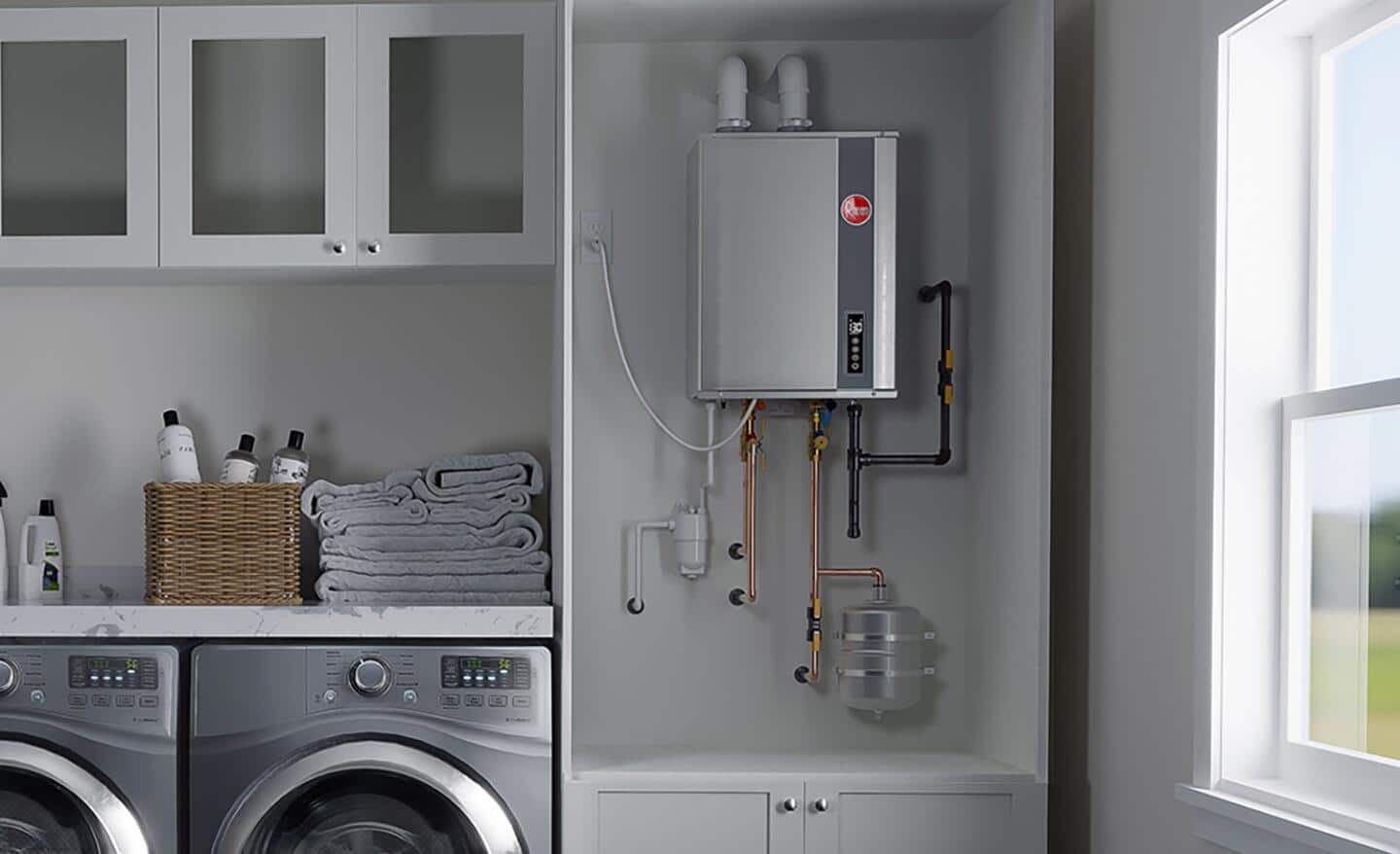
Credit: www.homedepot.com
Cost And Savings Analysis
Choosing the right tankless water heater size for a family of six affects both costs and savings. Understanding the cost and savings helps in making a smart choice. It also shows how much you can save on energy bills over time.
Initial Investment
The initial cost of a tankless water heater is higher than traditional heaters. The price depends on size and brand. A unit for a family of six usually costs more. Installation costs may also be higher due to system complexity. These costs might seem high at first. But the durable design means fewer replacements and repairs.
Energy Savings Over Time
Tankless water heaters use energy only when hot water is needed. This reduces waste and lowers monthly bills. Families of six benefit from this efficiency daily. Savings depend on your water use habits. Over several years, energy savings can cover the initial investment. This makes tankless heaters a cost-effective choice in the long run.

Credit: www.eccotemp.com
Frequently Asked Questions
What Size Tankless Water Heater Suits A Family Of 6?
A 9-11 GPM (gallons per minute) tankless water heater fits a family of 6. It provides enough hot water for multiple simultaneous uses. This size ensures comfort and efficiency without running out of hot water.
How To Calculate Tankless Water Heater Size For 6 People?
Add peak hot water demand for all appliances used simultaneously. Consider showers, dishwasher, laundry, and faucets. Choose a unit with a GPM rating matching or exceeding that total for optimal performance.
Can A Small Tankless Heater Support A Large Family?
No, a small unit may struggle to provide enough hot water. It can lead to temperature drops during high demand. A properly sized heater ensures consistent hot water supply for all family members.
What Are Energy Benefits Of Tankless Water Heaters For Families?
Tankless heaters heat water on demand, reducing energy waste. They save up to 30% energy compared to traditional tanks. Families benefit from lower utility bills and continuous hot water availability.
Conclusion
Choosing the right tankless water heater size matters a lot for a family of six. It saves energy and ensures enough hot water for everyone. Consider your peak water use and flow rate needs. A properly sized unit keeps showers warm and chores easy.
It also helps reduce water waste and bills. Take time to check your options before buying. A good choice means comfort and savings every day. Simple and smart decisions make family life better.