
Choosing the right tankless water heater size for your family of 4 can feel confusing. You want enough hot water for showers, cooking, and laundry without wasting energy or money.
If the heater is too small, you’ll run out of hot water at the worst times. If it’s too big, you’ll pay more than necessary upfront and on bills later. You’ll discover exactly how to find the perfect size that fits your family’s needs.
By the end, you’ll feel confident making a smart, cost-effective choice that keeps everyone comfortable every day. Keep reading to unlock the simple steps and expert tips waiting for you ahead.
Choosing The Right Capacity
Choosing the right capacity for a tankless water heater is important for a family of four. The heater needs to supply enough hot water for daily activities. Too small, and hot water runs out fast. Too large, and you waste energy. Understanding your household’s needs helps pick the best size.
Estimating Daily Water Usage
Start by estimating how much hot water your family uses each day. Common activities like showering, washing dishes, and laundry add up. On average, a person uses 20 to 30 gallons of hot water daily. For a family of four, expect about 80 to 120 gallons. This estimate guides the heater’s capacity.
Peak Flow Rate Needs
Peak flow rate means how much water flows through the heater at once. Showers, faucets, and appliances may run together. Add their flow rates to find the total needed. For example, a shower uses 2.5 gallons per minute. Four people showering at the same time need about 10 gallons per minute. The heater must handle this flow without running out of hot water.
Temperature Rise Considerations
Temperature rise is how much the heater must warm the water. It depends on your cold water temperature and desired hot water temperature. For example, if cold water is 50°F and you want 120°F hot water, the heater needs a 70°F rise. Higher rises reduce the flow rate the heater can handle. Choose a model that fits your local water temperature and needs.
Credit: www.eecusa.com
Types Of Tankless Water Heaters
Choosing the right tankless water heater for a family of four means knowing the types available. Tankless water heaters come mainly in two varieties: electric and gas models. Each type works differently and suits different home needs.
Understanding these types helps in picking the best option for your household’s hot water demands.
Electric Models
Electric tankless water heaters use electric coils to heat water on demand. They are compact and easy to install. These models work well in homes with moderate hot water needs. They do not require a vent, making installation simpler in many cases. Electric models usually have lower upfront costs than gas models.
Gas Models
Gas tankless water heaters use natural gas or propane to heat water quickly. They can deliver higher flow rates than electric models. Gas units need proper ventilation for safe operation. These models work well for larger families with higher hot water demands. Installation can be more complex and costly due to gas lines and venting.
Pros And Cons For Families
Electric models are easy to install and maintain. They are energy-efficient for small to medium water usage. However, they may struggle to supply enough hot water for multiple uses at once.
Gas models provide more hot water flow, ideal for busy households. They can save money on energy bills if gas is cheaper locally. Installation costs and space for ventilation are downsides.
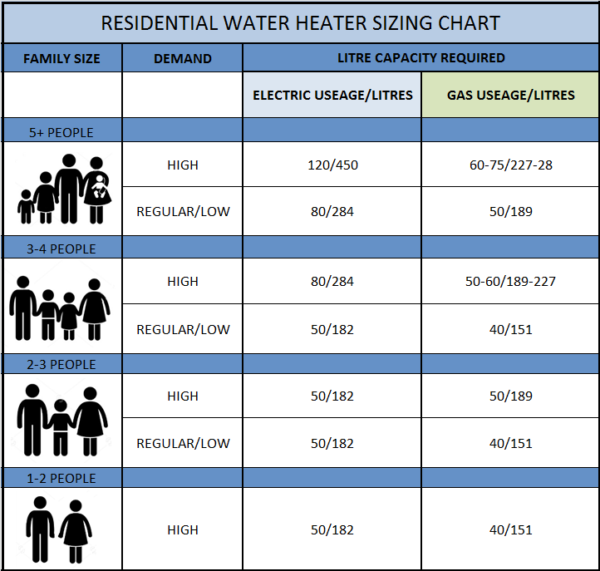
Sizing For A Family Of Four
Choosing the right tankless water heater size is key for a family of four. It helps provide enough hot water without wasting energy or money. Understanding your household needs guides you to the perfect fit.
Small heaters may run out of hot water fast. Large units can cost more and use extra energy. Accurate sizing keeps your water heater efficient and reliable every day.
Calculating Gallons Per Minute
Gallons per minute (GPM) show how much hot water flows at once. Add up the flow rates of all taps and appliances that may run together. For example, a shower uses about 2.5 GPM, a faucet 1.0 GPM, and a dishwasher 1.5 GPM.
For a family of four, expect multiple users at the same time. Total flow rates between 6 and 9 GPM are common. This number helps pick a heater that meets your daily water use.
Matching Heater Size To Household Needs
Pick a heater that delivers the calculated GPM at your water temperature rise. Temperature rise means how much the heater must warm the water. Cold water in winter needs more heating power.
Choose a unit slightly above your total GPM to avoid shortages. Consider peak usage times like mornings and evenings. This ensures hot water is ready for everyone without delay.
Proper sizing saves energy and keeps your family comfortable. It also extends the life of your water heater by reducing strain.

Credit: cen.com.mx
Installation Factors
Installing a tankless water heater for a family of four involves several key factors. These factors affect how well the system works and fits in your home. Proper installation ensures safety, efficiency, and long-term use. Consider space, ventilation, and installation method before starting.
Space Requirements
Tankless water heaters are compact but need enough room. Make sure the installation spot has clear access for maintenance. Avoid tight corners or cramped spaces. Leave space around the unit for air flow and repairs. Measure the area before buying the heater. Space affects how easily the unit can be installed.
Ventilation Needs
Proper ventilation is critical for safe operation. Tankless heaters produce exhaust gases that must vent outside. Check local codes for venting rules. Use correct vent pipes to avoid leaks. Poor ventilation can cause dangerous fumes inside the home. Plan vent routes carefully to keep air fresh and safe.
Professional Vs. Diy Installation
Installing a tankless water heater can be complex. Professionals have tools and knowledge for safe setup. They handle electrical, plumbing, and venting tasks. DIY installation saves money but risks mistakes. Errors can cause leaks or gas hazards. Choose professional help for safety and warranty protection.
Energy Efficiency And Cost
Choosing the right tankless water heater size affects both energy use and costs. A well-sized unit saves money and uses less energy. For a family of four, it means enough hot water without wasting power or fuel.
Operating Costs
Tankless water heaters only heat water when needed. This reduces energy use compared to traditional tanks. Lower energy use means smaller monthly bills. Electric models cost less to run but gas units heat faster. Check local energy prices to estimate costs accurately.
Long-term Savings
Tankless water heaters last longer than tank models, often over 20 years. This means fewer replacements and repairs. They use less energy over time, cutting utility bills. Savings add up year after year. Investing in a good unit pays off in the long run.
Incentives And Rebates
Many states offer rebates for energy-efficient appliances. Tankless water heaters often qualify for these programs. Rebates lower the initial purchase price. Check government and utility websites for available offers. These savings make upgrading more affordable.
Maintenance Tips
Keeping a tankless water heater in good condition is key for families of four. Proper maintenance helps the unit run smoothly and last longer. It ensures steady hot water without sudden stops. Regular care prevents costly repairs and keeps energy bills low. Follow simple steps to maintain your water heater effectively.
Regular Descaling
Hard water can cause mineral buildup inside the heater. Descaling removes these deposits to keep water flowing well. This process should happen every 6 to 12 months. Use a descaling solution or vinegar to flush the system. Regular descaling protects the heater and improves its efficiency.
Filter Cleaning
Filters catch dirt and debris before water heats up. Clean the filters every few months to avoid blockages. Turn off the power and water supply before cleaning. Rinse filters under running water until clear. Clean filters help maintain water pressure and quality.
Troubleshooting Common Issues
Sometimes the heater may not work as expected. Check error codes on the display if available. Common problems include no hot water, strange noises, or leaks. Reset the unit by turning it off and on again. Contact a professional if issues continue or worsen.
Popular Models For Families
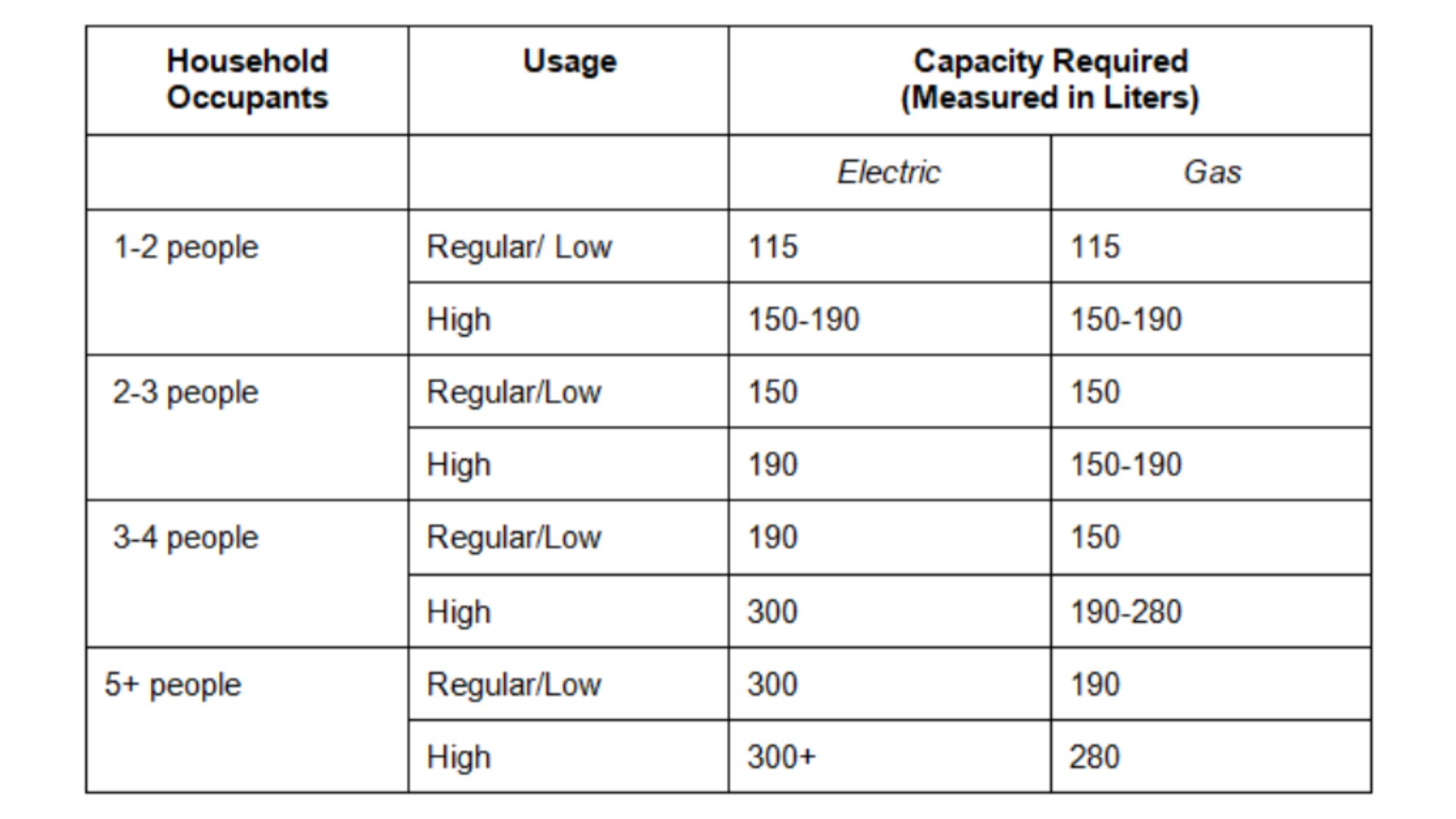
Choosing the right tankless water heater size is key for a family of four. Popular models offer reliable hot water without wasting energy. These units heat water only when needed. This saves space and reduces utility bills. Many families prefer either electric or gas models. Each type has unique benefits.
Top Electric Tankless Heaters
Electric tankless heaters are compact and easy to install. They work well in homes with moderate hot water needs. The EcoSmart ECO 27 is a popular choice. It provides enough hot water for daily family use. Another good model is the Stiebel Eltron Tempra 24 Plus. It offers precise temperature control and good energy efficiency. Electric models run quietly and require less maintenance.
Top Gas Tankless Heaters
Gas tankless heaters deliver high flow rates for larger households. The Rinnai RUR98iN is a top model. It handles multiple showers and appliances at once. Another strong option is the Noritz NRC66DVNG. It balances power and efficiency well. Gas units need proper ventilation but often have lower operating costs. They heat water quickly and are ideal for bigger families.
Credit: funphotobooth.com.br
Frequently Asked Questions
What Size Tankless Water Heater Suits A Family Of 4?
A 7 to 9 gallons per minute (GPM) tankless water heater is ideal. It meets simultaneous hot water needs efficiently for four people.
How To Calculate Tankless Water Heater Size For Family?
Add peak hot water flow rates of all fixtures used simultaneously. Choose a unit with GPM slightly above this total for best results.
Can A Small Tankless Heater Serve A Family Of 4?
No, a small unit may cause inconsistent hot water supply. Proper sizing ensures adequate flow and temperature for all family members.
Does Climate Affect Tankless Water Heater Size Choice?
Yes, colder water requires higher capacity heaters. Consider incoming water temperature when selecting the appropriate size for efficient heating.
Conclusion
Choosing the right tankless water heater size keeps your family comfortable. It saves energy and reduces bills. A unit too small causes low hot water flow. A unit too big wastes money and space. Consider your family’s daily water needs carefully.
Think about showers, laundry, and dishwashing use. Proper sizing ensures hot water when needed. Now, you can make a smart choice for your home. Enjoy endless hot water without worry or waste.