
Is your water heater acting up, and you suspect the pressure relief valve isn’t working? This small but crucial part keeps your water heater safe by releasing excess pressure.
When it fails, it can cause serious problems, from leaks to dangerous bursts. You might not notice the issue right away, but ignoring it could lead to costly repairs or even damage to your home. You’ll learn how to spot the signs of a faulty pressure relief valve and what you can do to fix it before things get worse.
Keep reading to protect your water heater and your peace of mind.
Signs Of A Faulty Valve
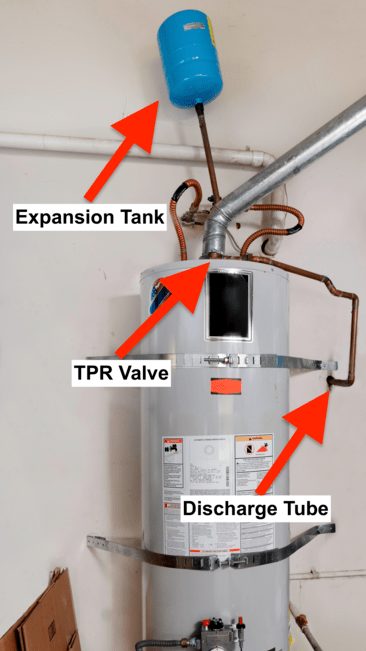
The pressure relief valve on your water heater keeps the system safe. It stops pressure from building up too much. A faulty valve can cause serious problems. Recognizing the signs early helps avoid damage and costly repairs.
Unusual Leaks And Drips
Leaks near the valve may mean it is not working properly. Small drips can turn into steady leaks over time. Water pooling around the heater is a clear warning sign. Check the valve and pipe connections for moisture or corrosion.
Pressure Build-up Symptoms
Too much pressure inside the tank is dangerous. A faulty valve can fail to release this pressure. You might hear loud noises or see the tank bulge. The valve may feel hot or look swollen. This signals a problem that needs fixing.
Water Temperature Fluctuations
Irregular water temperature can indicate valve issues. A bad valve may cause the heater to overheat. You might notice sudden hot or cold bursts from your taps. This affects comfort and points to a valve that needs attention.

Credit: www.kingheating.com
Why The Valve Fails
The pressure relief valve on a water heater is a safety device. It stops the tank from building too much pressure. Sometimes, this valve stops working. Understanding why it fails helps prevent bigger problems.
Corrosion And Mineral Buildup
Water contains minerals that can build up inside the valve. This buildup blocks the valve from opening properly. Corrosion also weakens the valve parts. Over time, these issues cause the valve to stick or leak.
Mechanical Wear And Tear
The valve moves parts every time it works. These parts wear out with use. Springs lose tension and seals break down. Wear causes the valve to fail and stop protecting the heater.
Improper Installation Issues
Incorrect installation can damage the valve. If it is not tightened right, leaks may form. Wrong positioning affects how the valve releases pressure. Installation errors often cause early valve failure.
Risks Of Ignoring The Problem
Ignoring a faulty water heater pressure relief valve can cause serious problems. This small part plays a big role in keeping your water heater safe and working well. Neglecting it leads to risks that affect your home, your safety, and your wallet.
Potential For Water Heater Damage
The pressure relief valve stops excess pressure inside the tank. Without it, pressure builds up. The tank might crack or burst from too much pressure. Repairing or replacing the water heater costs a lot. Damage also causes leaks that ruin floors and walls.
Safety Hazards In The Home
High pressure in the water heater can cause explosions. Hot water or steam can escape suddenly. This can burn anyone nearby. Water damage can also lead to mold growth. Mold causes health problems and is hard to remove.
Increased Energy Costs
A broken valve makes the water heater work harder. It wastes energy trying to control pressure. Your energy bills rise without any reason. Fixing the valve helps save money on heating costs.

Credit: www.youtube.com
Testing The Valve
Testing the water heater pressure relief valve is important for safety. This valve stops too much pressure from building inside the tank. If it does not work, the water heater can become dangerous. Testing the valve helps find problems early. It is a simple process that anyone can do with the right tools.
Tools Needed For Testing
- A bucket or container to catch water
- A pair of gloves to protect your hands
- A screwdriver or wrench, depending on your valve type
- A cloth or rag for cleaning up spills
Step-by-step Testing Process
- Turn off the water heater and let it cool down.
- Place the bucket under the valve’s discharge pipe.
- Lift the valve’s lever slowly to let some water out.
- Watch for water flow and listen for any unusual sounds.
- Release the lever and let it snap back to the closed position.
- Check if water stops flowing immediately after releasing.
- Clean any drips or spills around the valve.
Interpreting Test Results
Water should flow freely when lifting the lever. It means the valve is not blocked. If no water flows, the valve may be stuck or faulty. If water keeps dripping after releasing, the valve might not seal properly. Either case calls for a replacement or professional help. Testing regularly keeps your water heater safe and working well.
Fixing Or Replacing The Valve
Fixing or replacing the water heater pressure relief valve is important for safety. This valve stops excess pressure inside the tank. If it stops working, the tank might burst. You need to decide if the valve can be fixed or must be replaced. Some problems are easy to fix. Others need a new valve.
When To Repair Vs Replace
Check the valve for leaks or blockages first. Minor leaks or dirt can be cleaned. If the valve keeps leaking after cleaning, replacement is best. Rust or corrosion means the valve is weak. Old valves should be replaced to avoid failure. New valves work better and last longer. Safety is the top priority with pressure valves.
Diy Replacement Guide
Turn off the water heater before starting. Drain some water from the tank to avoid spills. Use a wrench to remove the old valve carefully. Wrap plumber’s tape on the new valve threads. Screw the new valve into place. Tighten it but do not over-tighten. Turn the water back on and check for leaks. Test the valve by lifting the lever gently. Water should flow out and stop when released.
Hiring A Professional
Call a plumber if you do not feel confident. Professionals have tools and skills for safe replacement. They can check the whole water heater system. This prevents future problems with pressure or leaks. A pro can also test and certify the valve works well. Avoid risks of injury or damage by hiring experts.
Preventive Maintenance Tips
Keeping your water heater’s pressure relief valve working well is key to safety. Preventive maintenance helps avoid costly repairs and dangerous situations. Regular care keeps the valve free from blockages and wear. Follow these simple steps to protect your water heater and your home.
Regular Inspection Schedule
Check the pressure relief valve every six months. Look for leaks, corrosion, or any signs of damage. Test the valve by lifting the lever and letting it snap back. Water should flow freely. If it does not, the valve might need replacement. Mark your calendar to stay consistent with inspections.
Flushing The Water Heater
Flush your water heater once a year to remove sediment buildup. Sediment can block the valve and reduce efficiency. Turn off the heater and connect a hose to the drain valve. Let the water run until it is clear. This keeps the tank clean and the valve working properly.
Using Water Softeners
Hard water causes scale buildup inside the heater and valve. Install a water softener to reduce minerals in the water. This prevents clogging and extends the valve’s life. Soft water helps maintain smooth valve operation and protects your plumbing system.
Credit: www.shopcarpetplus.com
Frequently Asked Questions
What Causes A Water Heater Pressure Relief Valve Failure?
Pressure relief valves fail due to mineral buildup, corrosion, or wear and tear. High water pressure also damages them. Regular maintenance helps prevent failure and ensures safety.
How To Test If The Pressure Relief Valve Is Working?
Lift the valve’s lever gently to release water. If water flows freely and stops when released, it works. No flow or continuous flow indicates a faulty valve.
Can A Faulty Pressure Relief Valve Cause Water Heater Damage?
Yes, a faulty valve can cause pressure buildup. This can lead to leaks or tank rupture. Replacing a defective valve prevents damage and ensures safe operation.
How Often Should The Pressure Relief Valve Be Replaced?
Replace the valve every 3-5 years or as recommended by the manufacturer. Regular checks help identify wear early. Timely replacement maintains safety and efficiency.
Conclusion
A water heater pressure relief valve keeps your home safe. It stops too much pressure from building inside the tank. A valve that does not work can cause leaks or damage. Check the valve regularly to catch problems early. Replace it if you notice signs of failure.
Never ignore unusual noises or water leaks near your heater. Taking care of this part helps your water heater last longer. Safety matters most—do not delay fixing valve issues. Keep your home safe and your water heater working well.