
Are you tired of stepping into a shower that’s either too hot or too cold? Finding the perfect water heater temperature setting can make all the difference to your daily comfort and safety.
You want your showers to feel just right—warm enough to relax but not so hot that it risks burns or wastes energy. You’ll discover the ideal temperature to set your water heater for the best shower experience. Keep reading, and you’ll learn how to enjoy every shower while saving money and protecting your family.
Ideal Shower Temperature
Finding the ideal shower temperature is important for a pleasant experience. The water should be warm enough to relax muscles but not too hot to cause burns. Setting the right temperature also saves energy and protects your water heater.
Safe Temperature Range
The safe temperature for showers is usually between 98°F and 110°F (37°C to 43°C). Water hotter than 120°F (49°C) can cause burns in seconds. Keep your water heater set below 120°F to prevent accidents. This range protects children and elderly family members from scalding.
Comfort And Efficiency
A temperature near 105°F (40°C) feels comfortable for most people. It warms the body without causing dryness or irritation. Lower temperatures save energy and reduce utility bills. Adjust the temperature slightly for personal comfort and skin type. Efficient settings extend your water heater’s lifespan and reduce wear.
Risks Of High Temperatures
Setting your water heater temperature too high can cause several problems. It might seem nice to have very hot water for showers. Still, high temperatures bring risks that affect safety and cost.
Burn Hazards
Hot water can cause serious burns quickly. Skin can get burned in just a few seconds. Children and older adults are especially at risk. Water over 120°F (49°C) can cause scald injuries. Lowering the temperature reduces burn chances. Safe settings protect everyone in the home.
Energy Waste
Heating water to very high temperatures uses more energy. This raises your utility bills unnecessarily. Energy waste also harms the environment. Keeping the heater at 120°F saves money and energy. It helps reduce your carbon footprint. Efficient settings benefit both wallet and planet.
Adjusting Water Heater Settings
Adjusting your water heater settings is key to getting the perfect shower temperature. It helps save energy and prevents scalding. Small changes can make a big difference in comfort and safety.
Many people do not know how to find or change their water heater thermostat. This section breaks down the process into simple steps. Anyone can follow along and adjust the settings safely.
Locating The Thermostat
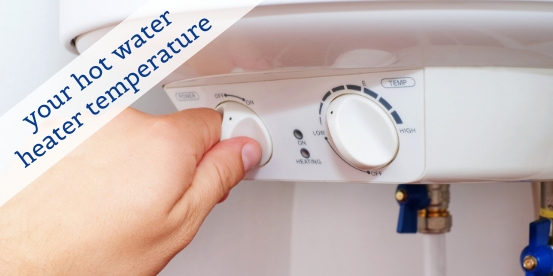
The thermostat is usually behind a metal panel on the water heater. Turn off the power before opening the panel for safety. You may need a screwdriver to remove the screws.
Look for a dial or a knob marked with temperature numbers. Some models have two thermostats, one for the top and one for the bottom. Both might need adjustment for even heating.
Step-by-step Adjustment
Start by turning the dial to the desired temperature. A safe and comfortable setting is usually around 120°F (49°C). Avoid setting it too high to reduce the risk of burns.
After adjusting, replace the panel cover and turn the power back on. Wait a few hours and check the water temperature in your shower. Adjust again if needed for the best comfort and safety.
Credit: www.gopreferred.com
Water Heater Types And Settings
Choosing the right water heater and setting the temperature correctly improves your shower experience. Different water heaters have unique ways to control temperature. Understanding these types helps you set the best temperature for comfort and safety.
Tank Heaters
Tank heaters store a large amount of hot water in a tank. You can set the temperature using a dial or digital control on the unit. Most tanks have a recommended temperature around 120°F (49°C). This temperature prevents scalding and saves energy. Lower settings reduce the risk of burns and slow down mineral buildup inside the tank. Adjust the temperature based on your household needs, but avoid going above 140°F (60°C).
Tankless Heaters
Tankless heaters heat water only when you need it. They do not store hot water. You set the temperature directly on the unit’s control panel. These heaters provide endless hot water at a consistent temperature. Setting the temperature around 120°F (49°C) is safe and comfortable. Tankless systems save energy because they heat water instantly. You can adjust the temperature easily for different uses or seasons.
Energy Saving Tips
Saving energy with your water heater helps reduce bills and protects the environment. Small changes in settings and care can make a big difference. These tips focus on shower use and easy ways to save energy daily.
Optimal Temperature For Savings
Set your water heater to 120°F (49°C). This temperature is warm enough for a comfortable shower. It also lowers energy use compared to higher settings. Avoid setting it above 120°F. Higher heat wastes energy and can cause burns. A lower temperature keeps your water hot without extra cost.
Insulation And Maintenance
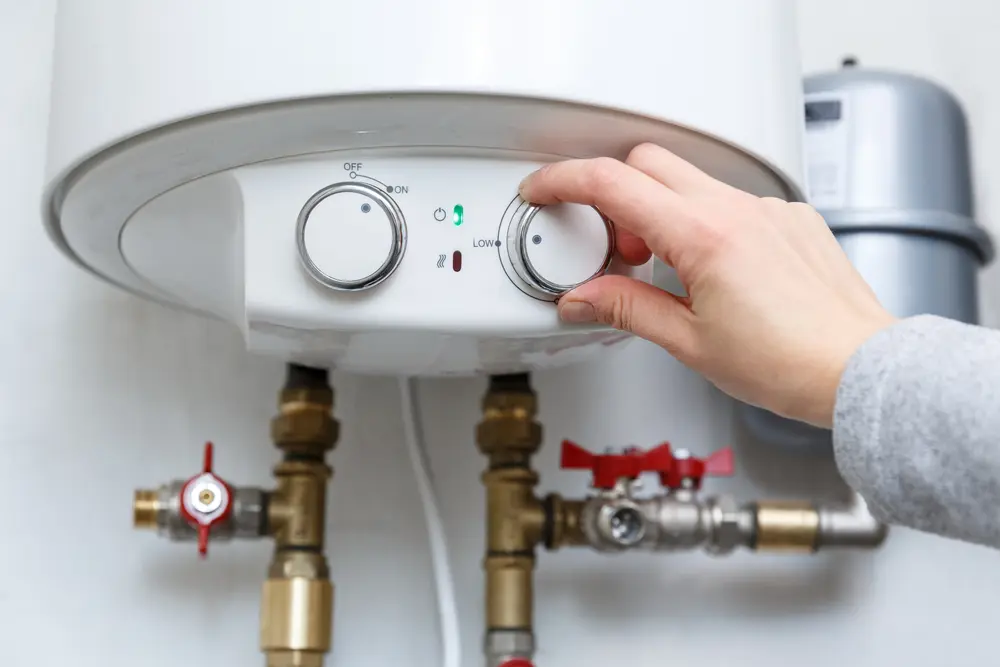
Insulate your water heater and pipes. Insulation keeps heat inside, so the heater uses less energy. Check insulation every year for damage. Flush your water heater yearly. This removes sediment that lowers efficiency. Clean and maintain your heater for best performance. Proper care saves energy and extends the heater’s life.
Credit: limric.com
Troubleshooting Temperature Issues
Troubleshooting water heater temperature issues is key for a comfortable shower. Problems can arise from various causes. Identifying the exact issue helps fix it quickly. This section covers common temperature problems and simple solutions.
Inconsistent Water Temperature
Water temperature changes during your shower can be frustrating. Check the thermostat setting on your water heater first. It should be set between 120°F and 140°F for safety and comfort.
Fluctuations may also result from a faulty thermostat or sediment buildup. Sediment can block heat transfer and cause uneven heating. Flushing the tank often solves this problem.
Another cause is a mixing valve that needs adjustment. This valve mixes hot and cold water to keep temperature steady. If broken, replace or repair it to restore balance.
No Hot Water
No hot water means checking power or fuel supply immediately. Electric heaters may have tripped breakers or blown fuses. Reset breakers or replace fuses to restore power.
Gas water heaters require a pilot light. If the pilot is out, relight it following the manufacturer’s instructions. A gas supply issue might need a professional check.
Heating elements in electric heaters can fail over time. Test and replace faulty elements to get hot water again. Regular maintenance prevents sudden heater failures.

Credit: www.amazon.com
Frequently Asked Questions
What Is The Ideal Water Heater Temperature For Showers?
The ideal temperature is 120°F (49°C). It balances comfort and safety, preventing scalding and saving energy. This setting suits most households and reduces the risk of burns.
Can Higher Water Temperature Harm My Skin?
Yes, temperatures above 120°F can cause burns and dry skin. Keeping it moderate protects your skin and ensures a comfortable shower experience.
How Does Water Heater Temperature Affect Energy Bills?
Higher temperatures increase energy consumption and costs. Setting your heater to 120°F optimizes energy use, lowering bills while maintaining shower comfort.
Is 120°f Safe For Children And Elderly?
Yes, 120°F is generally safe for children and elderly. It reduces scalding risks while providing warm showers suitable for sensitive skin.
Conclusion
Setting your water heater to the right temperature keeps showers safe and comfortable. Too hot water can cause burns. Too cold water makes showers unpleasant. Experts suggest 120 degrees Fahrenheit for most homes. This temperature saves energy and protects your family.
Regularly check your water heater settings. Adjust them if needed to avoid risks. Stay mindful of your comfort and safety every day. Small changes make a big difference in your shower experience. Choose the right setting and enjoy warm, safe showers.