
When it comes to your water heater, the vent pipe size might seem like a small detail—but it plays a huge role in keeping your home safe and your heater running efficiently. If your vent pipe is too small or too large, it can cause problems like poor ventilation, dangerous gas buildup, or even damage to your water heater.
You might not realize how important this simple measurement is until something goes wrong. You’ll discover exactly how to choose the right vent pipe size for your water heater and why it matters for your safety and comfort. Keep reading to make sure your system is working just the way it should.
Types Of Water Heater Vent Pipes
Atmospheric venting uses natural air flow to push gases outside. It needs a vertical pipe that goes up through the roof. This type is simple but must have enough height for safety.
Power venting uses a fan to push gases outside. It can move gases horizontally through walls. This allows more placement options for the heater. It needs electricity to run the fan.
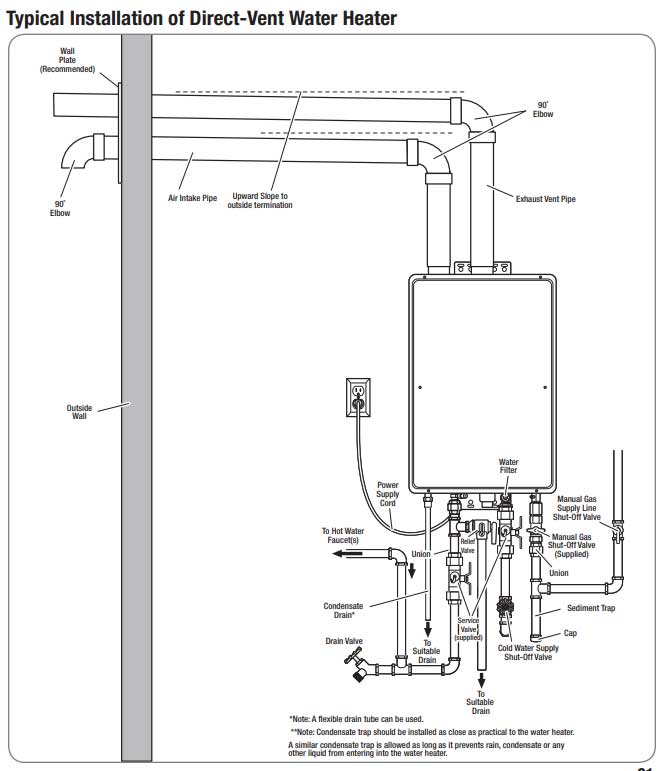
Direct venting pulls fresh air from outside and pushes gases out. Pipes run through a wall or roof. It is sealed to stop air leaks. This system is safe and efficient for many homes.
Factors Affecting Vent Pipe Size
The size of the vent pipe depends on several key factors. First, the water heater capacity affects the vent pipe size. Larger heaters need bigger pipes to carry away gases safely. Second, the vent pipe length matters. Longer pipes reduce airflow, so the pipe size may need to be larger. Third, the number of elbows and bends changes airflow. More bends slow down the gas flow, requiring a bigger vent pipe.
Local building codes set rules and limits for vent pipe sizes. These codes ensure safety and proper ventilation. Always check with local rules before installing or changing vent pipes.
Common Vent Pipe Materials
Galvanized steel pipes are strong and durable. They resist rust and last long. These pipes handle high heat well. Often used in older homes for venting water heaters.
Aluminum vent pipes are lightweight and easy to install. They resist corrosion and handle heat safely. Common in many water heater setups for proper venting.
PVC and CPVC pipes are plastic pipes used for venting. They are good for cooler vent gases. Easy to cut and join. Often cheaper than metal pipes but must meet safety codes.
Credit: www.tandooriflame.com.sg
Determining The Correct Vent Pipe Size
Manufacturer’s specifications provide the first guide to vent pipe size. Always check the manual for exact requirements. These rules ensure safety and proper venting.
Vent sizing charts show pipe sizes based on vent length and appliance type. They help choose the right diameter for good airflow. Using these charts can avoid common mistakes.
Calculating based on BTU input is another method. The higher the BTU rating, the larger the vent pipe needed. This keeps fumes moving out safely and prevents blockages.
Installation Best Practices
Proper pipe slope helps gas and smoke flow out safely. The vent pipe should slope upward about 1/4 inch per foot. This slope stops water from staying inside the pipe. Water buildup can block the vent and cause problems.
Sealing joints tightly keeps harmful gases from leaking. Use high-temp sealant or approved metal tape on all joints. Loose connections can let carbon monoxide enter your home. Make sure every joint fits snugly.
Maintaining clearances means keeping space around the vent pipe. Pipes should not touch walls or flammable materials. Follow local codes for the right distance. This prevents fire hazards and allows air to flow.
Ensuring adequate ventilation gives the heater enough air to work well. The vent pipe must be the correct size for your heater. Small pipes can cause poor airflow and dangerous gases. Proper ventilation keeps your home safe and warm.
Common Installation Mistakes
Undersized vent pipes cause poor airflow and can lead to dangerous gas buildup. Pipes too small restrict venting, making the heater work harder and less safe. Always use the correct pipe size for your water heater model.
Improper pipe material may not withstand heat or corrosion. Using the wrong material can cause leaks or pipe damage. Choose vent pipes made from approved, heat-resistant materials for safety and durability.
Incorrect slope or alignment blocks proper vent flow. Pipes should have a slight upward slope away from the heater to help gases escape. Flat or downward slopes cause condensation buildup and blockages.
Maintenance Tips For Vent Pipes
Regular inspections help find problems early. Check vent pipes for cracks or loose parts. Look for signs of wear or damage.
Cleaning blockages is important to keep air flowing well. Remove leaves, dirt, or bird nests from the pipe. Blockages can cause dangerous gases to build up.
Checking for corrosion stops rust from making pipes weak. Look for rust spots or holes. Replace pipes that are badly corroded to keep the system safe.

Credit: www.driveland.es

Credit: watercomfortdepot.com
Frequently Asked Questions
What Is The Standard Water Heater Vent Pipe Size?
The standard vent pipe size for most water heaters is 3 or 4 inches in diameter. This size ensures proper exhaust flow and safe operation. Always check local codes and manufacturer instructions for specific sizing requirements.
How To Determine The Correct Vent Pipe Size?
To determine the right vent pipe size, consider the water heater’s BTU rating and vent length. Larger BTU ratings typically require bigger pipes. Consult manufacturer guidelines and local building codes to ensure compliance and safety.
Can I Use A Smaller Vent Pipe For My Heater?
Using a smaller vent pipe can cause poor ventilation and dangerous gas buildup. It’s unsafe and often violates codes. Always use the recommended vent pipe size to ensure efficient and safe venting.
Why Is Vent Pipe Size Important For Water Heaters?
Proper vent pipe size ensures safe exhaust of combustion gases. Incorrect sizing can lead to carbon monoxide leaks, inefficient heating, and system damage. Correct sizing protects your home and maximizes heater performance.
Conclusion
Choosing the right size for your water heater vent pipe matters a lot. It helps your heater work safely and efficiently. A pipe too small or too large can cause problems. Always check the manufacturer’s guide or local rules before buying.
Proper venting keeps your home safe from harmful gases. Keep your system well maintained to avoid issues later. Simple steps like these save money and stress. Now you know why vent pipe size is important. Take action and protect your home today.