
Have you ever noticed your water heater making noises that sound just like water boiling? That strange bubbling or popping can catch you off guard and make you wonder if something is wrong.
Understanding why your water heater sounds this way is important—not just to ease your mind but to keep your home safe and your hot water flowing smoothly. Keep reading, and you’ll discover what causes these sounds and what you can do about them before small problems turn into costly repairs.

Credit: www.robinsplumbing.com
Common Noises From Water Heaters
Water heaters often make noises as they work. These sounds can tell you if the heater is working fine or if there is a problem. Knowing common noises helps you understand your water heater better. It also helps you decide if you need to call a technician. Here are some typical sounds from water heaters and what they mean.
Rumbling And Popping Sounds
Rumbling and popping noises come from sediment buildup inside the tank. Sediment traps water at the bottom, causing it to boil and make noise. This sound means the heater is working harder than it should. Sediment can reduce the heater’s efficiency and damage the tank. Flushing the tank can stop these noises and improve performance.
Hissing And Whistling
Hissing or whistling often means water or steam is escaping. This can happen at the pressure relief valve or near leaks. These sounds warn of pressure issues or small leaks in the system. It is important to check and fix these quickly. Ignoring hissing noises can lead to bigger problems and water damage.
Knocking Or Banging Noises
Knocking or banging sounds happen when water flow is uneven inside pipes. Sudden water pressure changes cause pipes to bang against walls or each other. This noise may also come from loose parts inside the heater. Tightening pipes or installing water hammer arrestors can reduce these sounds. Regular maintenance helps keep pipes secure and quiet.
Why Water Heaters Make Boiling Sounds
Water heaters sometimes make sounds like water boiling inside the tank. These noises can be surprising or worrying. Understanding why these sounds happen helps you know if your heater is working well or needs care. Several common reasons cause this boiling noise in water heaters.
Sediment Buildup In The Tank
Over time, minerals from hard water settle at the bottom of the tank. This layer of sediment traps water underneath it. When the heating element warms the water, it creates steam bubbles. These bubbles rise and pop, causing a boiling or rumbling sound. Sediment buildup lowers heating efficiency and can damage the tank.
Water Temperature And Pressure Issues
High water temperature or pressure can cause boiling sounds. If the heater’s thermostat is set too high, water may start to boil inside the tank. Excessive pressure builds steam bubbles, making noise as they escape. This situation stresses the water heater and can shorten its lifespan.
Mineral Deposits Affecting Heating Elements
Mineral deposits can coat the heating elements inside the tank. This coating reduces heat transfer to the water. The element gets hotter than usual, causing water near it to boil and create noise. Over time, these deposits can damage the heating elements and reduce efficiency.
How To Diagnose The Noise Source
Hearing boiling sounds from your water heater can be concerning. Identifying the noise source helps prevent damage. This guide shows easy steps to diagnose the problem. Simple checks can reveal if the heater needs repair or cleaning.
Checking The Tank Interior
Start by examining the inside of the tank. Sediment buildup causes popping or boiling noises. Over time, minerals settle at the bottom. This layer traps water, making it bubble when heated. Flushing the tank can remove sediments and stop noises. Use a hose to drain water until clear. Repeat if necessary for best results.
Inspecting The Heating Elements
Heating elements may cause unusual sounds. Scale or corrosion on elements creates noise. Turn off the power before inspection. Remove access panels and look for damage or buildup. Clean elements gently or replace if worn out. Faulty elements overheat water, causing boiling sounds. Regular maintenance keeps them working quietly.
Monitoring Temperature And Pressure Settings
Check the thermostat and pressure valve settings. High temperature causes water to boil inside the tank. Keep thermostat at a safe level, usually 120 degrees Fahrenheit. Pressure relief valve stops excess pressure from building up. Test the valve by lifting the lever briefly. Replace if it leaks or fails to reset. Proper settings reduce noise and increase safety.
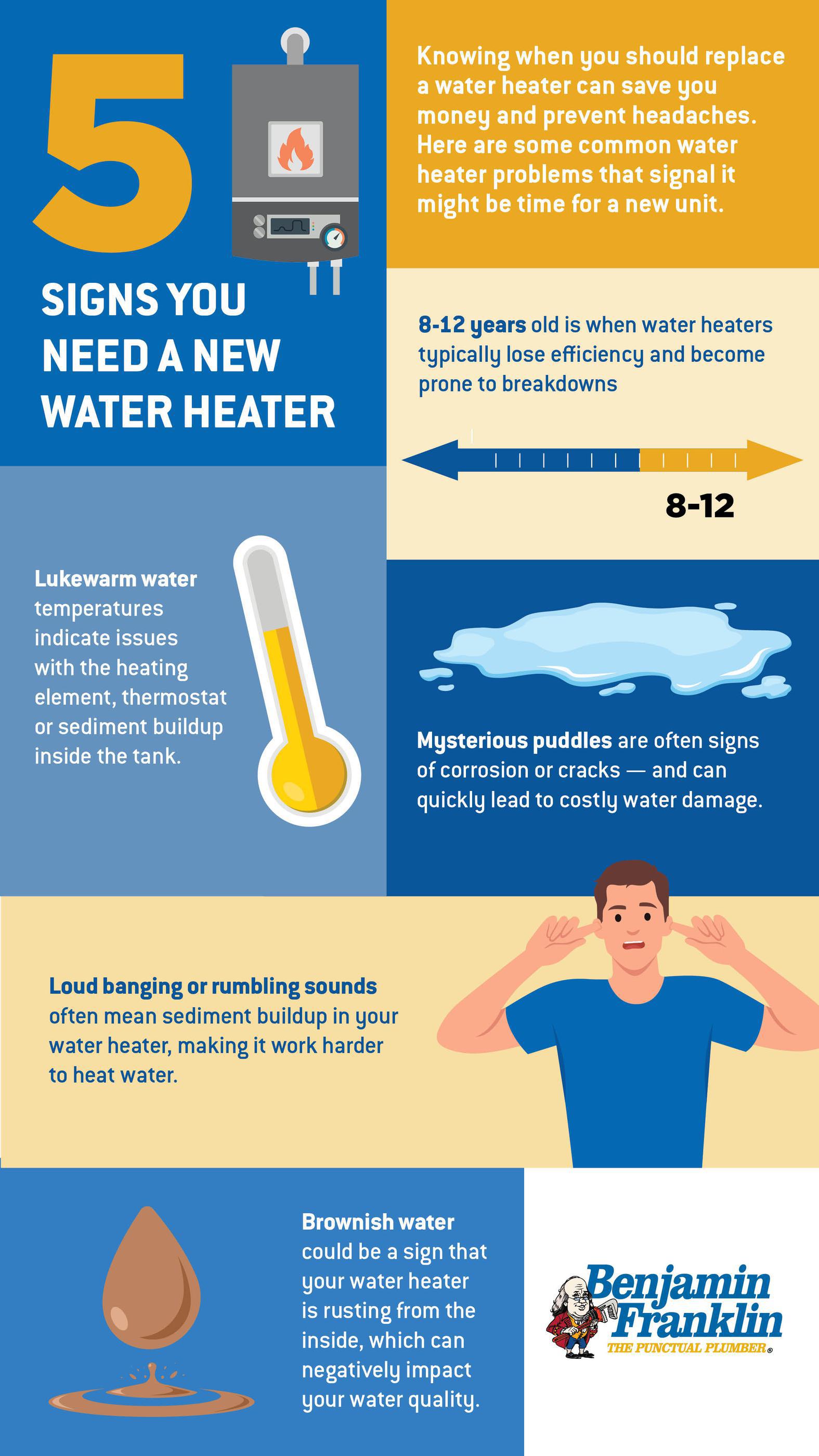
Credit: www.benjaminfranklinplumbing.com
Simple Fixes For Boiling Sounds
Hearing boiling sounds from your water heater can be annoying and worrying. These noises often point to common issues that you can fix yourself. Simple steps can stop the boiling sounds and keep your heater working well. Below are easy fixes to try before calling a professional.
Flushing The Water Heater Tank
Mineral build-up inside the tank causes noise. Flushing the tank removes this sediment. Turn off the heater and cold water supply first. Attach a hose to the drain valve and let the water flow out. Flush until clear water runs from the hose. This clears deposits that trap heat and create boiling sounds.
Adjusting Thermostat Settings
High thermostat settings make water overheat and boil inside the tank. Lower the temperature to around 120°F (49°C). This prevents excessive heat and reduces noise. Check the thermostat dial on the heater. Turning it down is quick and can stop the boiling sound almost immediately.
Replacing Faulty Heating Elements
Heating elements may wear out or break, causing loud sounds. Test the elements with a multimeter for damage. If faulty, switch off the power and drain the tank. Remove the old elements and install new ones. Proper elements stop overheating and eliminate boiling noises.
When To Call A Professional
Hearing boiling sounds from your water heater can be worrying. Sometimes, simple fixes work. Other times, professional help is needed. Knowing when to call a professional saves time and prevents damage. Here are key signs to watch for.
Persistent Noises After Maintenance
Noise after cleaning or flushing should stop quickly. If sounds keep going, something may be wrong. Sediment buildup or faulty parts might cause this. A technician can check and fix these issues safely.
Signs Of Tank Damage Or Leaks
Look for rust, cracks, or water around the tank base. These signs show tank damage or leaks. Leaks can cause water damage and reduce heater efficiency. A professional can assess the tank condition and recommend repairs or replacement.
Safety Concerns And Electrical Issues
Water heaters use electricity or gas. Strange smells, sparks, or tripped breakers signal electrical problems. These issues pose fire risks and need immediate expert attention. Never try to fix electrical faults alone.
Preventing Future Noises
Preventing future noises from your water heater helps keep your home peaceful. Strange sounds often mean small problems. Fixing these early stops bigger damage and costly repairs.
Here are simple ways to reduce noise and extend your water heater’s life.
Regular Maintenance Tips
Flush the tank once a year. This removes sediment buildup causing noise. Check the anode rod every two years. Replace it if it looks worn. Test the temperature setting. Keep it at 120 degrees Fahrenheit to avoid overheating. Inspect the pressure relief valve for leaks or damage. Tighten any loose parts to stop rattling.
Water Quality And Filtration Solutions
Hard water causes mineral buildup inside the heater. Use a water softener to reduce hardness. Install a sediment filter before the heater. It traps dirt and particles that cause noise. Clean filters regularly to keep water flowing smoothly. Clear water means less sediment and fewer sounds.
Upgrading To A Newer Water Heater Model
Old heaters often make more noise. New models have better insulation and noise control. Choose energy-efficient models to save money. Tankless water heaters produce less noise and heat water on demand. Consider this upgrade for a quieter, more efficient home.

Credit: www.esseg.eu
Conclusion
A water heater that sounds like boiling water often signals an issue. Sediment build-up or trapped air can cause these noises. Ignoring the sounds may lead to bigger problems and higher costs. Regular maintenance keeps your water heater working well and quiet.
Taking quick action helps avoid unexpected breakdowns. Stay alert to unusual sounds and act early. This keeps your home safe and your water hot.