
Are you tired of running out of hot water just when you need it most? Your water heater element settings could be the key to fixing that.
Getting these settings right doesn’t just save you energy—it gives you the perfect temperature every time. You’ll discover simple tweaks that can make a big difference in how your water heater performs. Keep reading, and you’ll learn how to take control of your hot water supply easily and effectively.

Credit: opcionesadministrativas.com
Ideal Temperature Range
Setting the right temperature on your water heater element is very important. The ideal temperature range keeps your water hot enough for daily use. It also prevents risks like burns or bacteria growth. This balance helps save energy and keeps your home safe.
Choosing the correct temperature setting can improve comfort. It also lowers energy bills by avoiding overheating. Many water heaters have a recommended range for best results.
Recommended Settings For Safety
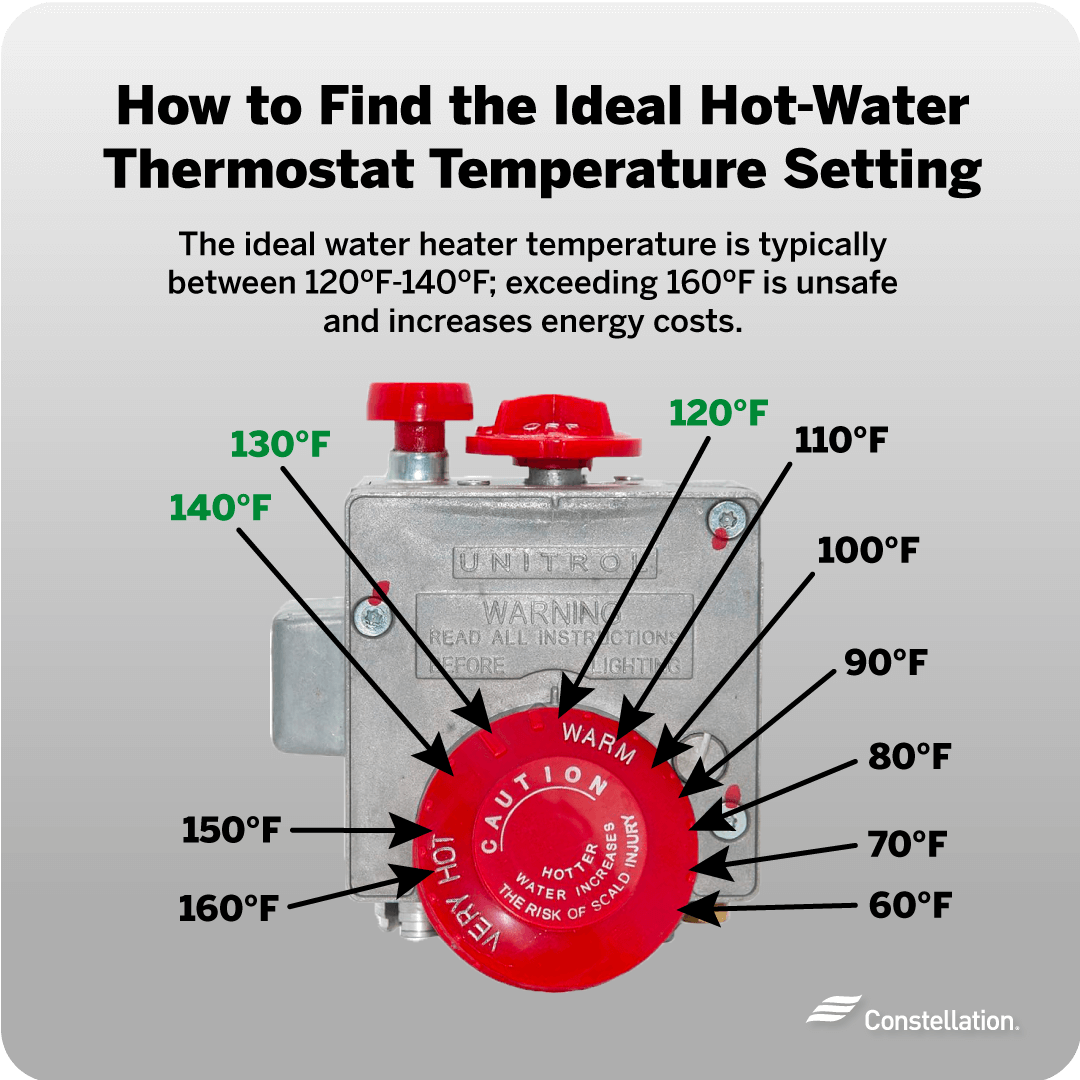
Experts suggest setting water heater temperature to 120°F (49°C). This level prevents scalding accidents, especially for children and elderly. Water at this temperature is hot enough for cleaning and bathing. It also slows down the growth of harmful bacteria like Legionella.
Temperatures above 130°F (54°C) can cause burns quickly. Lower temperatures might not kill bacteria effectively. Setting the element within the safe range reduces health risks.
Balancing Comfort And Efficiency
Temperature settings affect both comfort and energy use. Hot water that is too cold feels uncomfortable. Too hot wastes energy and may cause damage to pipes.
Setting the water heater around 120°F offers warm water for showers and chores. It keeps energy use moderate, saving money over time. Regular checks help maintain the right balance.
Credit: www.constellationhome.com
Types Of Water Heater Elements
Water heater elements come in different types. These elements heat the water inside the tank. Choosing the right element affects your water heater’s efficiency and lifespan.
Understanding the types helps you pick the best option. Each type has unique features and uses. Knowing these differences saves money and improves performance.
Standard Vs. High-efficiency Elements
Standard elements are common in many water heaters. They heat water at a regular speed and use average energy. These elements work well for most homes.
High-efficiency elements heat water faster and use less energy. They reduce electricity bills over time. These elements often last longer, providing better value.
Choosing between standard and high-efficiency depends on your needs. High-efficiency elements suit large households or frequent hot water use. Standard elements fit smaller or less busy homes.
Material Differences And Impact
Water heater elements come in several materials. Copper, stainless steel, and Incoloy are common choices. Each material affects durability and performance.
Copper elements heat water quickly but can corrode in hard water. Stainless steel resists rust and works well in tough water conditions. Incoloy elements last longest and resist corrosion the best.
Choosing the right material depends on your water type. Hard water may require stainless steel or Incoloy. Soft water allows copper elements to work well.
Adjusting Temperature Settings
Adjusting the temperature settings on your water heater element is key to getting the right water heat. Correct settings save energy and prevent scalding. It also extends your water heater’s life. The process is simple and safe if done carefully.
Step-by-step Adjustment Guide
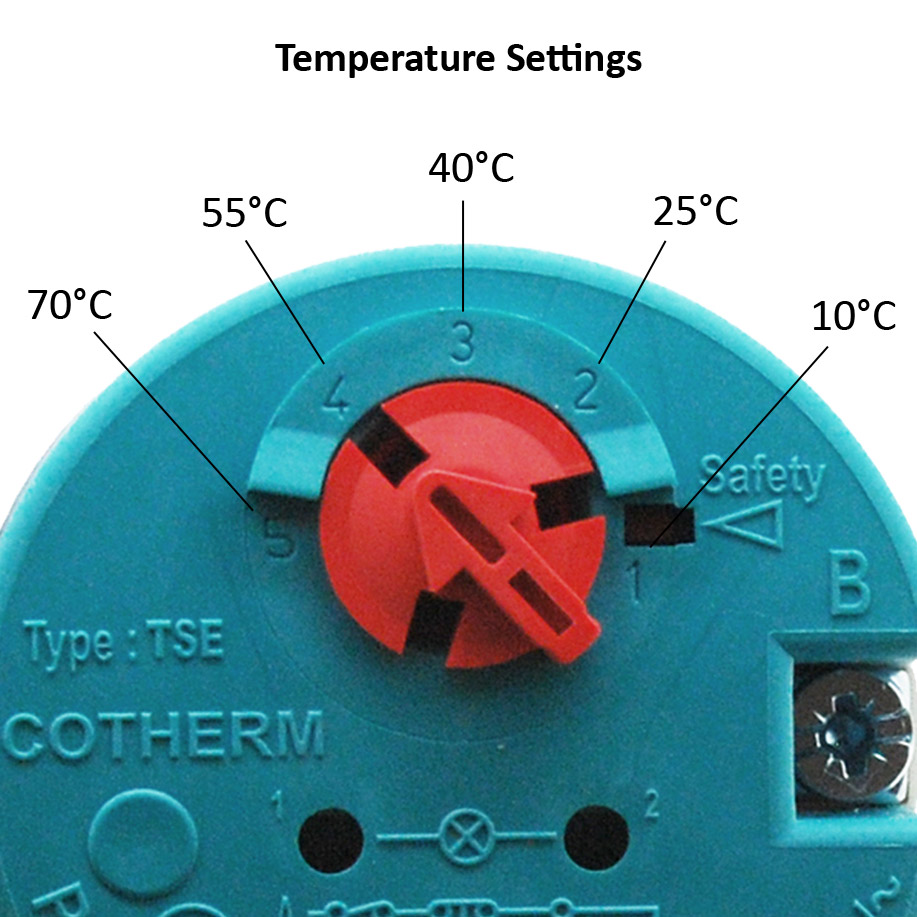
Turn off the power to the water heater at the breaker box. Remove the access panel and insulation to see the thermostat. Use a flathead screwdriver to turn the thermostat dial slowly. Adjust the temperature to the desired level, usually between 120°F and 140°F. Replace the insulation and access panel. Turn the power back on. Wait for the water to heat and check the temperature at a faucet. Adjust again if needed.
Tools Needed For Calibration
You need a flathead screwdriver to turn the thermostat dial. A voltage tester helps ensure power is off before you start. A thermometer checks the water temperature at the faucet. Wear gloves to protect your hands. Keep a flashlight handy to see inside the panel clearly.
Energy Savings Tips
Saving energy with your water heater element settings helps cut costs and reduce waste. Small changes can make a big difference in your monthly bills. Focus on smart adjustments and controls for better efficiency.
Lowering Heat Loss
Heat loss happens when hot water cools down in pipes or the tank. Insulate your water heater tank to keep heat inside. Wrap pipes with foam sleeves to stop heat from escaping. Cooler water means the heater runs longer, wasting energy. Keep the heater away from cold spots in your home.
Using Timers And Thermostats
Timers control when your water heater runs. Set the heater to turn on only during peak usage times. Avoid heating water all day when no one uses it. Thermostats help keep water at the right temperature. Lower the thermostat to 120 degrees Fahrenheit for energy savings. Too hot water wastes energy and can be unsafe.
Maintaining Water Heater Elements
Maintaining water heater elements keeps your system working well. Regular care helps avoid breakdowns and saves energy. Clean and inspect the elements to catch problems early. Know when to replace parts to keep hot water flowing.
Cleaning And Inspection
Turn off the power before cleaning any parts. Remove the heating element from the tank. Use a soft brush or cloth to clean off mineral buildup. Check for cracks, corrosion, or damage on the element. Clean elements work better and last longer. Inspect the wiring for any wear or loose connections. Dry all parts before reassembling.
When To Replace Elements
Replace elements if they show visible damage or corrosion. Elements that do not heat water properly need replacement. Check for burnt or broken parts on the element. Frequent trips of the circuit breaker can signal element failure. Replace elements with the same size and wattage. Proper replacement restores heating efficiency and safety.
Common Problems And Fixes
Water heater element settings can cause various issues that affect your hot water supply. Understanding common problems helps you fix them quickly. This saves time and avoids costly repairs.
Simple troubles like overheating or uneven temperatures often relate to element settings. Fixing these problems ensures steady, safe hot water in your home.
Element Overheating
Overheating happens when the element temperature is set too high. It can cause damage to the heater and increase energy costs. The water may feel too hot or even scalding.
To fix this, lower the thermostat to a safer setting, usually around 120°F (49°C). Check the thermostat for faults and replace if needed. Regular maintenance prevents overheating and extends element life.
Inconsistent Water Temperatures
Inconsistent temperatures mean water is sometimes hot and sometimes cold. This problem can come from a faulty thermostat or a worn-out heating element. It makes showering or washing difficult.
Test the thermostat to see if it keeps a steady temperature. Replace the heating element if it shows signs of damage. Tighten electrical connections to avoid temperature swings. Regular checks help keep water temperatures stable.
Credit: www.unventedcomponentseurope.com
Frequently Asked Questions
What Temperature Should Water Heater Elements Be Set?
Water heater elements typically should be set between 120°F and 140°F. This range balances energy efficiency and comfort. Setting higher can cause scalding risks and increase energy costs. Lower settings may not provide adequate hot water. Always check your manufacturer’s recommendations for precise guidance.
How To Adjust Water Heater Element Temperature?
To adjust the temperature, turn off power to the heater first. Remove the access panel and insulation. Use a screwdriver to turn the thermostat dial to the desired setting. Replace insulation and panel before restoring power. Always ensure safety precautions when working with electrical components.
Why Is Water Heater Element Temperature Important?
Correct temperature settings ensure efficient heating and safety. Too high temperatures increase energy use and scalding risk. Too low settings cause insufficient hot water and possible bacterial growth. Proper settings extend element lifespan and reduce utility bills.
Can Water Heater Elements Be Set Differently?
Yes, many water heaters have separate upper and lower elements. You can set each element to different temperatures for customized heating. This helps optimize energy use and hot water availability according to your household needs. Check your model’s manual for specific instructions.
Conclusion
Setting the right water heater element temperature saves energy and money. It keeps your water hot enough for daily use. Avoid setting it too high to prevent burns and damage. Regular checks help your heater work well for years. Small changes can make a big difference in comfort and costs.
Remember, safe and proper settings protect your home and family. Keep it simple, stay safe, and enjoy warm water every day.