
When it comes to ensuring a warm shower on a chilly morning or a reliable supply of hot water for your home, the size of your water heater plays a crucial role. Have you ever stood in your utility room, staring at that bulky tank, wondering if it’s the right fit for your needs?
You’re not alone. Many homeowners grapple with questions about the average water heater size and what it means for their daily comfort and energy bills. Understanding the right size can save you money and optimize your home’s efficiency. Imagine the peace of mind that comes with knowing your water heater is perfectly tailored to your household’s demands.
You wouldn’t want a heater that’s too small, leaving you shivering mid-shower, nor one that’s too large, inflating your utility costs unnecessarily. You’ll discover how to determine the ideal water heater size for your home. We’ll explore the factors that influence your choice and offer practical tips to help you make an informed decision. Ready to take control of your home’s hot water experience? Dive into this guide and ensure your comfort is never compromised.
Page Contents
Factors Influencing Water Heater Size
Family size affects water heater size. Bigger families need larger heaters. Small families use less hot water. A 50-gallon heater suits a family of four. A couple may need only 30 gallons. Each person adds to the daily water need. More people means more showers and baths. This increases hot water demand.
Daily routines impact heater size. Frequent baths require more hot water. Dishwashing and laundry add to usage. Some families wash clothes often. Others might use dishwasher daily. Regular use of appliances increases water demand. A bigger heater is needed for heavy usage. Light users can manage with smaller heaters.
Cold climates require larger heaters. Water heats slower in cold regions. Warm areas need less heating power. Temperature impacts water heater efficiency. Cold weather increases hot water demand. In winter, showers and baths use more hot water. Larger heaters cope better in cold climates.

Credit: waterheatertimer.org
Types Of Water Heaters
Water heaters come in two main types: tank and tankless. Tank heaters store water in a big tank. The tank keeps the water hot. Tankless heaters heat water on demand. They do not store water. Tankless models save space. They are good for small homes.
Solar water heaters use sunlight to heat water. They have solar panels on the roof. These panels collect energy from the sun. Solar heaters are environment-friendly. They can reduce energy bills. Best for sunny places. They need sunlight to work well.
Heat pump water heaters move heat from the air to the water. They are very efficient. Use less energy than other types. Good for warm areas. They need space for air circulation. Not ideal for cold regions.
Standard Sizes For Different Homes
Small apartments often use compact water heaters. These heaters typically hold 20 to 30 gallons of water. They fit in tight spaces. Efficiency is important in small apartments. Smaller heaters heat water quickly. They save energy and space. Many people in apartments prefer electric water heaters. Electric heaters are quieter and safer. They are also easier to install.
Medium-sized homes need larger water heaters. These heaters hold between 40 and 50 gallons. Families with four members find these ideal. Medium heaters provide enough hot water for showers, dishes, and laundry. Gas heaters are common in medium homes. They heat water faster than electric ones. Gas heaters save money over time.
Large residences require big water heaters. These heaters hold 75 gallons or more. Big families need lots of hot water. Large heaters support multiple bathrooms and appliances. Tankless heaters are popular in large homes. They provide endless hot water. They are energy efficient. Many people choose tankless for constant hot water.
Measuring Water Heater Efficiency
Understanding the average water heater size can greatly impact energy efficiency. A standard size may not suit every household. Smaller units might use less energy, while larger ones meet higher demands. Balancing size and need helps in achieving optimal efficiency for both cost and energy savings.
Energy Factor Ratings
The energy factor (EF)rating shows how well a water heater uses energy. Higher EF ratings mean better efficiency. This rating helps in choosing an efficient heater. Look for heaters with an EF rating above 0.7.
Standby Heat Loss
Standby heat lossis energy lost while a heater is idle. Insulation reduces this loss. Less standby heat loss saves energy. Check if the heater has good insulation. Lower standby heat loss means a more efficient heater. Choose heaters with minimal standby loss.
Selecting The Right Size
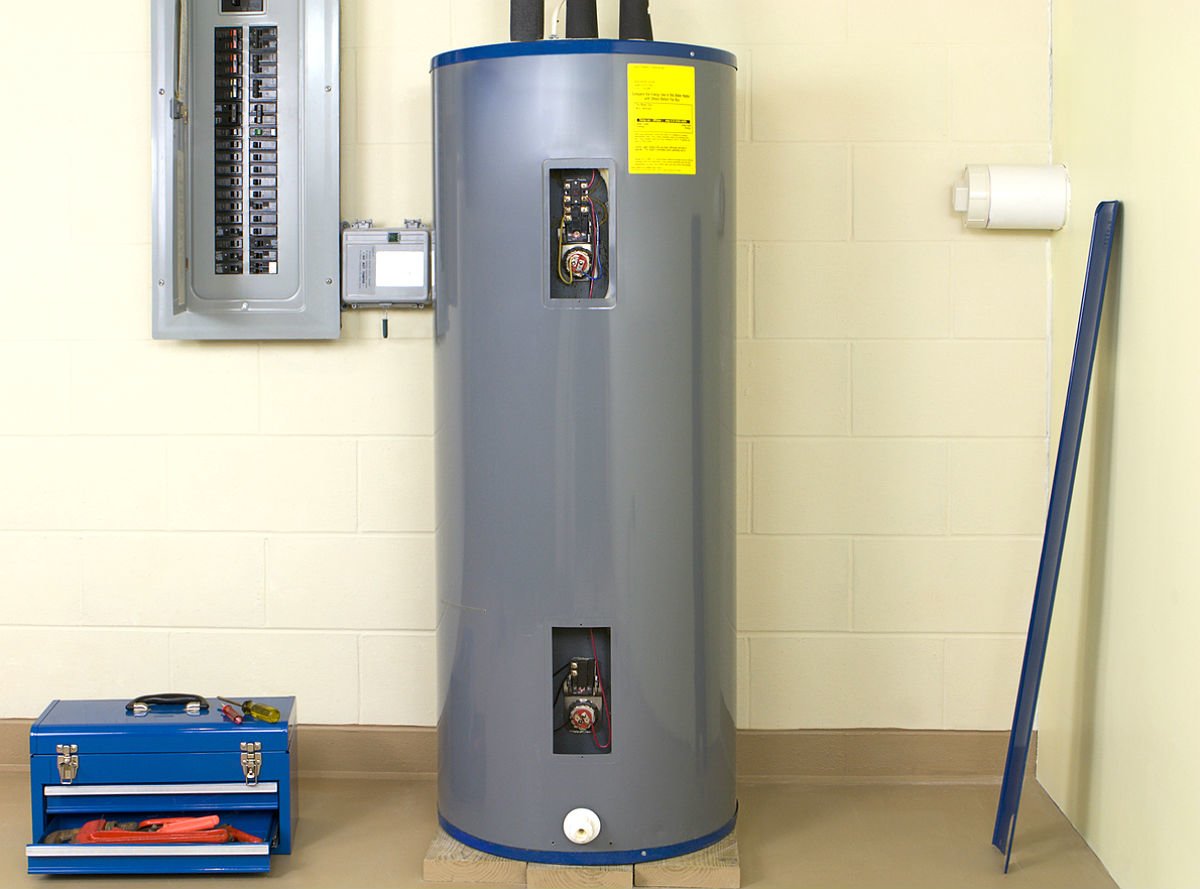
Water heaterscome in different sizes. Picking the right size is important. First, check how many people live in your home. A family of four uses more water than one person. Each person uses about 20 gallons daily. Multiply this by the number of people. This tells you the daily water need. A bigger family needs a bigger heater. Otherwise, they might run out of hot water.
Think about the future too. Maybe your family will grow. Or you might add a dishwasher. This means more hot water is needed. It’s smart to choose a water heaterthat can handle extra demand. A larger heater can be helpful for these changes. Always plan a little ahead to avoid problems later.
Credit: www.bobvila.com
Installation Considerations
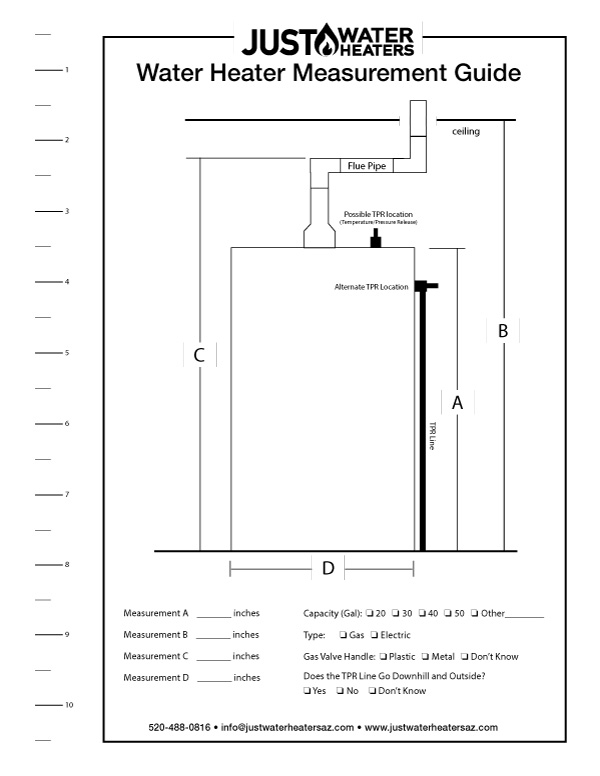
Water heaters need enough space. Small spaces can be tricky. Measure your area first. Check the height and width of the heater. Make sure it fits. Leave room for maintenance too. This helps in case of repairs. Safety is important. Keep it away from flammable items.
Venting is a must for gas heaters. It removes harmful gases. Choose the right vent type. Direct vent or power vent? Each has its own benefits. Power vents need electricity. Direct vents use outside air. Ensure proper installation. Poor venting can cause problems. Always check vent paths. Keep them clear. Safety first.
Maintenance And Longevity
Regular checks help a water heater last longer. Start by inspecting for leaks. Look around the heater’s base. Water puddles mean trouble. Next, test the temperature pressure relief valve. Pull the lever to release water. If no water comes out, the valve may be faulty.
Check the anode rod every year. It stops rust inside the tank. If the rod looks eaten away, replace it. Also, flush the tank annually. This removes sediment. Sediment can hurt the heater’s efficiency.
Listen for strange noises. Rumbling sounds mean sediment buildup. Clean the heater to stop the noise. Keep the area around the heater clear. This ensures proper airflow. Regular maintenance keeps your heater in good shape.
Credit: justwaterheaterstucson.com
Conclusion
Choosing the right water heater size is crucial for comfort. Consider your household needs carefully. Think about the number of people using water daily. A larger family might need a bigger tank. Smaller homes can opt for compact models. Always check energy efficiency ratings.
They save money in the long run. Consult with a professional if unsure. They can provide tailored advice. Remember, the right size ensures hot water without waste. Make informed decisions for your home’s needs. A well-sized heater means efficiency and satisfaction.