
Imagine never running out of hot water again, even during those busy mornings when everyone in the house is vying for a shower. Sounds like a dream, right?
Switching from a traditional tank water heater to a sleek, efficient tankless system might just make that dream a reality. You might be wondering if this transition is possible and what it means for your home and wallet. We’ll dive into the nuts and bolts of replacing your old tank water heater with a modern tankless one.
We’ll explore the benefits, the potential challenges, and the crucial steps you need to consider. By the end, you’ll have a clear picture of whether this upgrade is the right choice for you. Curious to find out more? Keep reading to uncover the potential of endless hot showers and energy savings.
Page Contents
Benefits Of Tankless Water Heaters
Swap your tank water heater for a tankless one to enjoy endless hot water and lower energy bills. Save space with a compact design that fits almost anywhere. Experience longer lifespan and reduce your carbon footprint with efficient heating technology.
Are you considering replacing your traditional tank water heater with a tankless model? Making the switch can offer numerous advantages. Tankless water heaters, also known as on-demand water heaters, are becoming increasingly popular due to their efficiency and convenience. Let’s dive into the benefits that make them a worthy consideration for your home.Energy Efficiency
One of the most compelling benefits of tankless water heaters is their energy efficiency. Unlike traditional heaters that constantly heat a large reservoir of water, tankless models only heat water as needed. This means they use significantly less energy, which can lead to noticeable savings on your energy bills. Imagine reducing your carbon footprint while enjoying a lower utility bill each month—it’s a win-win!Space Saving
Have you ever felt cramped in your utility room or wished for more storage space? Tankless water heaters are compact and can be mounted on the wall, freeing up valuable floor space. This is particularly beneficial for smaller homes or apartments where every square foot counts. It’s like gaining a bonus closet without any construction work!Continuous Hot Water Supply
Say goodbye to the dreaded cold shower after the last family member has used up all the hot water. With a tankless water heater, you get a continuous supply of hot water. Whether you’re filling up a large bathtub or running multiple showers simultaneously, the hot water keeps flowing. This can be a game-changer for large households or during those busy mornings when everyone needs to get ready at the same time. Have you ever thought about how much space and energy you could save with a tankless water heater? Making the switch could not only enhance your home’s efficiency but also add a layer of convenience to your daily routine. Why not explore this option and see if it aligns with your needs and lifestyle?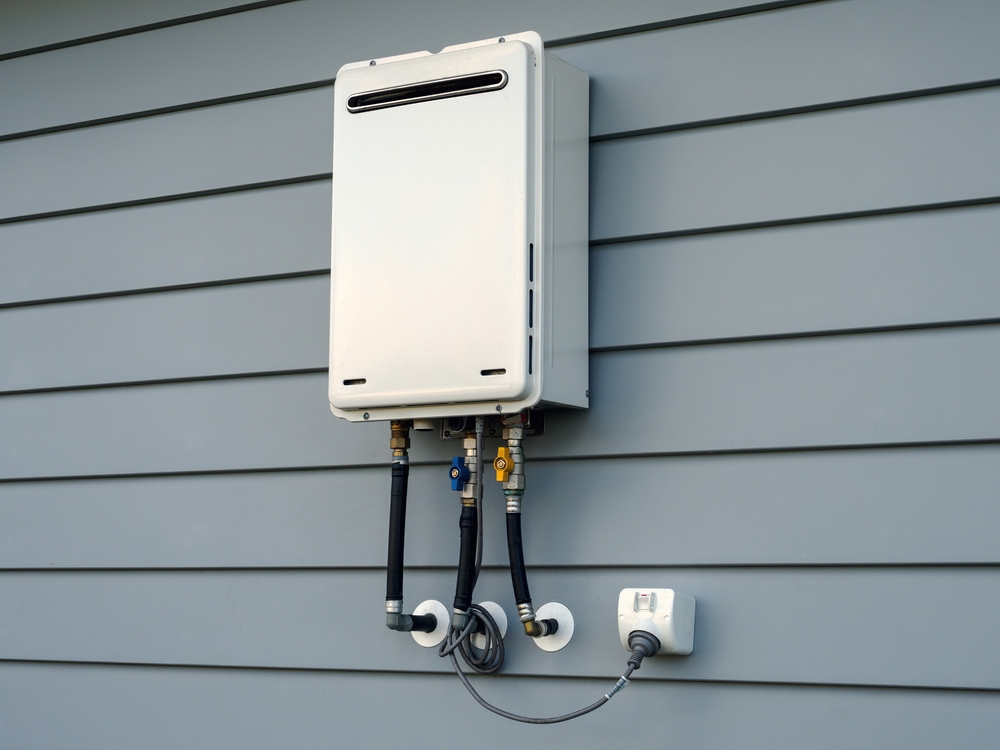
Credit: roadrunnerairconditioning.com
Comparing Costs
Switching from a tank water heater to a tankless system involves costs. It’s essential to consider both short-term and long-term expenses. Understanding these can help in making a well-informed decision.
Installation Expenses
Installing a tankless water heater can be pricey. Initial costs include the price of the unit and labor. Tankless systems often need special plumbing and electrical work. This adds to installation costs. You might also need venting changes for gas models.
In some cases, your home may require upgrades. This can increase costs further. A professional assessment helps determine specific needs. While the initial investment is high, the benefits can be worth it.
Long-term Savings
Tankless water heaters save money over time. They use less energy than traditional tanks. You heat water only when needed. This reduces energy bills significantly.
Tankless models last longer, offering more value. With regular maintenance, they can serve for over 20 years. Fewer replacements mean lower long-term costs. Plus, they occupy less space, adding convenience to their benefits.
Installation Considerations
Are you considering making the switch from a tank water heater to a tankless system? It’s a decision many homeowners are exploring for its space-saving benefits and on-demand hot water. However, the installation process isn’t as straightforward as swapping one unit for another. Several key considerations need your attention to ensure a smooth transition. Let’s dive into what you should know about plumbing adjustments, electrical requirements, and ventilation needs.
Plumbing Adjustments
Switching to a tankless water heater often requires changes to your existing plumbing setup. Tankless systems demand a higher flow rate to deliver hot water instantly. You might need to update your water pipes to accommodate this increased demand.
Assess the size and condition of your current pipes. Are they up for the task? Consult with a plumber if you’re unsure. Proper plumbing adjustments ensure efficiency and prevent frustrating issues like inconsistent water temperature.
Electrical Requirements
Tankless water heaters typically have greater electrical needs than traditional tank heaters. Ensure your electrical system can support the increased load. You might need a dedicated circuit and possibly a panel upgrade.
Consider the amperage and voltage requirements of the unit. Check if your home’s electrical panel is capable of handling it. If not, hiring an electrician is a wise step to avoid overloading your system.
Ventilation Needs
Ventilation is crucial for tankless water heaters to function safely and efficiently. Gas-powered units, in particular, require proper venting to expel harmful gases. Don’t overlook this aspect during installation.
Determine if your home’s current venting system is compatible. If not, new venting may be necessary. This could involve additional costs, so plan accordingly. Proper ventilation keeps your home safe and your heater performing optimally.
As you consider these installation factors, ask yourself: Are you prepared to make these changes? The investment in time and resources might seem daunting, but the benefits can be worthwhile. Addressing these considerations head-on will help you enjoy the endless hot water a tankless system provides.
Potential Challenges
Considering a switch from a tank water heater to a tankless model? It’s essential to understand the potential challenges involved. Transitioning to a tankless water heater can offer benefits, but it also comes with hurdles. Knowing these challenges can help in making an informed decision.
Initial Investment
Tankless water heaters often require a higher initial investment. They can be more expensive than traditional tank models. Installation costs might also increase due to additional requirements. This can include upgrading electrical systems or gas lines. Budgeting for these expenses is crucial before making the switch.
Compatibility Issues
Not all homes are ready for tankless water heaters. Some older homes may face compatibility issues. This might involve electrical or plumbing systems needing upgrades. Checking your home’s current infrastructure is vital. Ensuring compatibility can prevent unexpected challenges.
Maintenance Requirements
Tankless water heaters have different maintenance needs. Regular descaling may be necessary to ensure efficiency. This is due to mineral buildup over time. Proper maintenance extends the lifespan and performance. Familiarize yourself with these requirements to avoid future problems.
Choosing The Right Model
Replacing a tank water heater with a tankless model can be a game-changer in terms of energy efficiency and space-saving. But how do you choose the right model? With so many options out there, it’s easy to feel overwhelmed. To help you make the best decision, consider capacity, brand, and features that match your needs. Let’s dive into each of these factors to ensure you get the most out of your investment.
Capacity Options
When selecting a tankless water heater, capacity is crucial. Unlike traditional models, tankless heaters provide hot water on-demand. This means you need to choose a unit that can handle your household’s peak water usage.
Consider how many appliances or fixtures will be using hot water simultaneously. You wouldn’t want a shower turning cold just because someone is doing the dishes. Look for models that specify gallons per minute (GPM) to match your household needs. A small family might manage with a unit delivering 5 GPM, but larger families should consider higher capacities.
Brand Comparisons
Choosing the right brand can make a significant difference in performance and longevity. Some brands are renowned for their reliability and customer service, while others may offer more budget-friendly options.
Research customer reviews and expert opinions to gauge the reputation of different brands. It’s worth investing in a brand that offers a good warranty and support. Brands like Rinnai, Noritz, and Navien often receive high marks for quality and efficiency.
Feature Selection
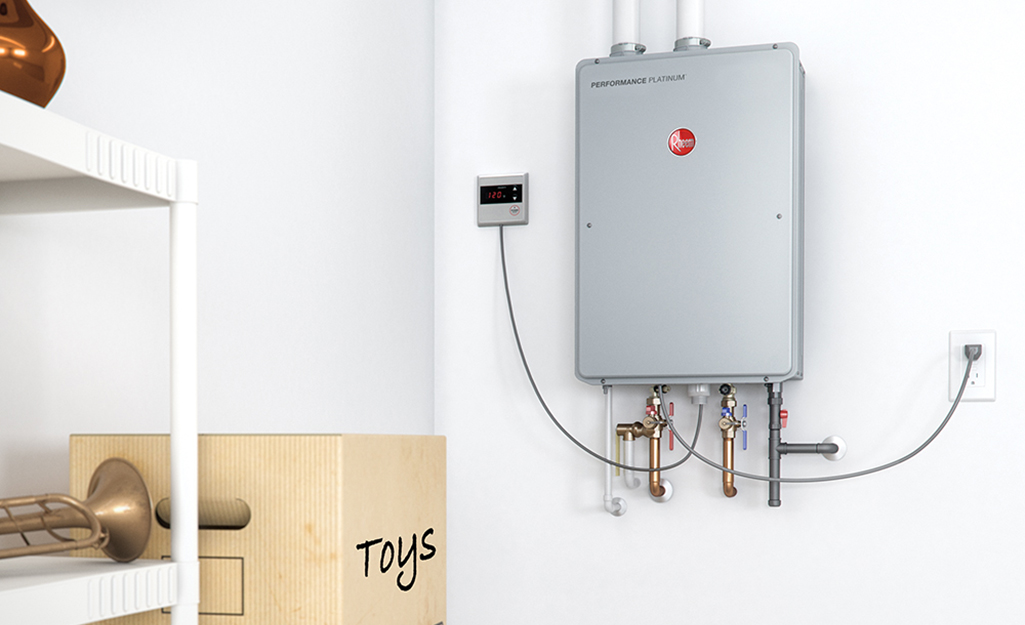
Modern tankless water heaters come with a variety of features that can enhance your experience. Do you want the convenience of a remote control to adjust the temperature from anywhere? Or perhaps a model with built-in Wi-Fi to monitor your usage?
Consider energy efficiency ratings to save on utility bills. Some units offer advanced technology like self-modulating systems that adjust power output based on demand. Ask yourself, what features align with your lifestyle and convenience?
In your quest for the perfect tankless water heater, think about what truly matters to you. Is it energy savings, reliability, or perhaps cutting-edge features? By aligning your priorities with the right model, you can ensure a seamless transition to a more efficient system.
Credit: www.homedepot.com
Environmental Impact
Switching to a tankless water heater can cut energy use and reduce environmental impact. These heaters heat water only when needed, saving energy. Less energy use means fewer emissions, benefiting the planet.
Switching from a traditional tank water heater to a tankless model can have a significant environmental impact. These modern systems offer potential advantages that go beyond just saving space in your home. By focusing on how a tankless water heater affects the environment, you can make a well-informed decision about whether this upgrade is right for you.Reducing Carbon Footprint
Tankless water heaters are known for their energy efficiency. Unlike traditional heaters that continuously heat and reheat water, tankless models only heat water when needed. This on-demand functionality can reduce energy consumption by up to 30%. Imagine cutting your energy bills while also lowering your carbon footprint. The less energy you use, the fewer fossil fuels are burned, leading to a decrease in greenhouse gas emissions. Have you considered how this simple switch could contribute to a cleaner planet?Water Conservation
Tankless water heaters can also promote water conservation. They provide hot water almost instantly, reducing the time you wait for the water to heat up. This means you waste less water waiting for it to get to the right temperature. Think about the gallons of water that go down the drain every year while you wait for your shower to warm up. With a tankless system, you could save thousands of gallons annually. What would it mean for your household to contribute to water conservation efforts with such a simple change? Making the switch to a tankless water heater not only benefits your home but also has a positive impact on the environment. By considering the reduction in your carbon footprint and the potential for water conservation, you can contribute to a more sustainable future. Are you ready to make a change that supports both your lifestyle and the environment?Case Studies And Real-life Examples
Replacing a tank water heater with a tankless model offers energy efficiency and space-saving advantages. Real-life examples highlight successful transitions, emphasizing reduced utility bills and continuous hot water supply. Case studies provide insights into installation challenges and user experiences, aiding informed decisions for potential switchers.
Switching from a tank water heater to a tankless system can feel like a big decision. But hearing real-life stories can provide clarity and confidence. Let’s dive into some case studies and personal experiences to see how this transition plays out in various homes.Homeowner Experiences
One homeowner, Sarah from Austin, shared her journey of switching to a tankless system. Initially, she hesitated due to the upfront cost. But the promise of continuous hot water won her over. After installation, Sarah noticed her energy bills dropped significantly. She appreciated the extra space in her utility closet. Have you considered how much space you could reclaim? Another example is John, a busy dad in Seattle. His household constantly ran out of hot water during morning showers. After going tankless, those cold shower surprises disappeared. He found the consistent hot water supply priceless.Professional Installations
Professional installations can make or break your experience. The Smith family in Denver hired a certified plumber for their switch. The expert guidance ensured a seamless transition and optimized efficiency. They reported minimal disruption during the switch and were enjoying hot water within a day. Conversely, a DIY enthusiast in Miami attempted self-installation. Despite his skills, he faced challenges with venting and gas line adjustments. Eventually, he called in a professional to correct the issues. His takeaway? Sometimes expertise is worth the investment. Have you thought about the potential challenges of self-installing a tankless heater? Professional installers bring valuable knowledge and peace of mind. In both cases, homeowners found that while the switch to a tankless system requires some effort, the rewards often outweigh the initial hurdles. Would you prioritize convenience and savings over the upfront cost?
Credit: www.youtube.com
Frequently Asked Questions
Can I Switch From A Tank Water Heater To A Tankless Water Heater?
Yes, you can switch to a tankless water heater. It offers on-demand hot water and energy savings. Ensure compatibility with your home’s plumbing and electrical systems. Consult a professional for installation. Tankless heaters require maintenance but provide long-term benefits. Consider the initial cost versus efficiency gains.
How Hard Is It To Replace A Tank Water Heater With A Tankless?
Replacing a tank water heater with a tankless is moderately challenging. It requires plumbing and electrical adjustments. Professional installation is recommended for efficiency. Tankless heaters save space and energy. The process may take several hours. Ensure compatibility with your home’s water and power systems.
This upgrade can increase long-term savings.
Is It Worth Replacing A Tank Water Heater With A Tankless?
Replacing a tank water heater with a tankless one can be worth it. Tankless heaters save energy, offer endless hot water, and last longer. Initial costs are higher, but savings on energy bills and efficiency make it a good investment over time.
Consider your household needs and budget.
How Much Does It Cost To Convert A Tank To A Tankless Water Heater?
Converting a tank to a tankless water heater typically costs between $1,000 and $3,500. Prices vary based on installation complexity, unit type, and location. Get quotes from local professionals to ensure accurate pricing and quality service.
Conclusion
Switching to a tankless water heater offers many benefits. You save space. Energy efficiency improves. Hot water supply becomes endless. Installation can be complex. Professional help is recommended. Costs may be higher initially. Long-term savings are possible. Consider your home’s hot water needs.
Evaluate your budget carefully. Compare brands and models. Make an informed decision. Tankless systems suit many homes. They provide convenience and efficiency. Think about your lifestyle. Assess your current water usage. Choose wisely for your comfort. Enjoy the benefits of modern technology.
Embrace a more efficient home setup.