
Is your gas hot water heater leaving you out in the cold? If you’ve ever stepped into a shower expecting warmth but were greeted with a lukewarm drizzle instead, you’re not alone.
When your hot water heater isn’t getting hot enough, it can turn simple daily tasks into frustrating experiences. You might wonder if it’s a quick fix or a sign of a bigger problem. This article will guide you through understanding why your gas hot water heater might not be performing as it should.
By the end, you’ll have the knowledge to tackle the issue head-on, ensuring those hot showers are back to being the comforting retreats they should be. Dive in to discover the possible culprits and solutions that can restore the warmth in your home.
Page Contents
Common Causes
Experiencing lukewarm water from your gas hot water heater is frustrating. Understanding the common causes can help you resolve the issue. Below are some typical problems that might be affecting your heater’s performance.
Thermostat Issues
The thermostat controls the water temperature. If it’s set too low, the water won’t be hot enough. Adjusting the thermostat to a higher setting might solve the problem. If it’s faulty, consider replacing it for optimal performance.
Sediment Build-up
Over time, minerals in water can settle at the tank’s bottom. Sediment build-up insulates the water from the burner. This reduces the heater’s efficiency. Regularly flushing the tank can remove these deposits, restoring heat levels.
Faulty Gas Valve
The gas valve regulates the flow of gas to the burner. A malfunction can restrict gas flow, leading to inadequate heating. Inspect the valve for damage. A replacement might be necessary to ensure proper functioning.
Pilot Light Problems
The pilot light ignites the burner. If it’s out, the heater won’t heat the water. Check for drafts or dirt causing the pilot to extinguish. Relighting it can often resolve the issue. Persistent problems might require professional help.

Credit: www.youtube.com
Thermostat Settings
Thermostat settings play a crucial role in ensuring your gas hot water heater provides sufficient warmth. Incorrect settings can lead to lukewarm water, causing discomfort during showers or household chores. Understanding how to adjust and check the thermostat settings can solve temperature issues effectively.
Adjusting Temperature
Adjusting the thermostat temperature can enhance your hot water supply. Locate the thermostat on your heater. Turn the dial to increase the temperature. Aim for a setting between 120°F to 140°F. This range provides warmth while preventing scalding. Always handle adjustments with care.
Checking Calibration
Calibration affects how accurately your thermostat reads temperatures. Start by checking the current setting with a thermometer. Compare the thermostat reading with the thermometer. If they differ, recalibrate your thermostat. Follow the manufacturer’s instructions for precise calibration. This ensures accurate temperature readings.
Maintenance Tips
Ensuring your gas hot water heater works efficiently requires regular maintenance. A well-maintained heater provides consistent hot water and can save on energy costs. Keeping your heater in top condition involves a few simple tasks.
Regular Cleaning
Dirt and dust can affect your heater’s performance. Clean the exterior of the heater regularly. Use a soft cloth to remove dust from the surface. Check the burner area for debris. Ensure it’s clean for proper combustion.
Sediment Removal
Sediment build-up is common in hot water heaters. It reduces heating efficiency. Drain a few gallons of water monthly. This helps remove sediment from the tank. Use the valve at the bottom to do this. Let the water flow until it runs clear.
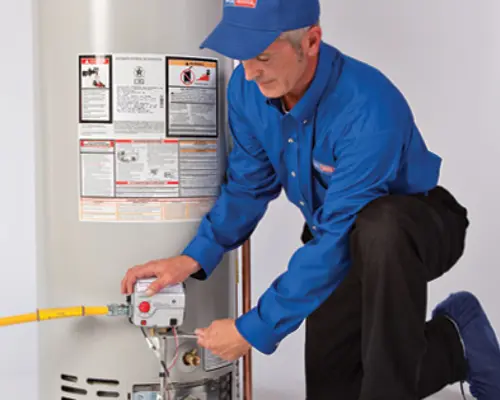
Credit: www.ars.com
Troubleshooting Guide
Is your gas hot water heater leaving you shivering in the shower? You’re not alone. Many homeowners face the frustrating issue of their heater not getting hot enough. Don’t worry—this troubleshooting guide will help you identify common problems and solutions. Let’s dive into some simple steps you can take to restore warmth to your water.
Inspecting Components
Start by checking the thermostat. Ensure it’s set to the desired temperature. Sometimes a simple adjustment can make all the difference.
Next, inspect the burner and pilot light. A dirty burner can affect the heater’s performance. Clean it gently using a brush, making sure there’s no debris blocking the flame.
Consider the condition of the tank. Sediment buildup can interfere with heating. Drain the tank periodically to prevent this issue.
Have you checked the dip tube? It’s responsible for directing cold water to the bottom of the tank. If it’s broken or damaged, it might be causing your lukewarm water problem.
Have you ever wondered how these components work together? Understanding their function can help you pinpoint issues faster.
Testing Gas Supply
Check the gas supply line for any blockages or leaks. A restricted gas flow can hinder the heating process.
Inspect the gas valve. Ensure it’s open and functioning correctly. A faulty valve might be the culprit behind your heater’s inadequate performance.
Look at the gas pressure. Low pressure can lead to insufficient heating. Consider contacting your gas provider if you’re unsure about pressure levels.
Do you feel comfortable handling gas-related tasks? If not, calling a professional might be the safest option.
Don’t forget the importance of safety. Always prioritize it when dealing with gas components.
Have you experienced unexpected insights while troubleshooting? Share your thoughts—your experience might help others!
Professional Repair
Experiencing lukewarm water from your gas hot water heater can disrupt daily routines. Professional repair services quickly diagnose and fix temperature issues, ensuring consistent hot water flow. Trust skilled technicians to restore comfort and efficiency to your home.
When your gas hot water heater isn’t getting hot enough, it might be time to seek professional help. While DIY solutions can be tempting, some issues require expert intervention. Hiring a professional ensures that your heater is repaired correctly and safely, preventing further damage or costly replacements. Let’s look at when it’s the right time to call in a technician and what you need to know about the potential costs.When To Call A Technician
Sometimes, the problem is beyond a simple DIY fix. If you’ve tried adjusting the thermostat and ruled out issues like low gas supply or sediment buildup, it might be time to call a technician. Is your heater making strange noises or releasing water with an unusual odor? These could be signs of deeper issues that only a professional can address. Consider safety first. Gas appliances can be hazardous if not handled correctly. A professional will have the right tools and experience to diagnose and fix the problem without risking your safety. Think about the last time you tried fixing something and ended up calling an expert anyway. It’s better to be safe than sorry.Cost Considerations
Repair costs can vary depending on the complexity of the issue. On average, you might spend anywhere from $100 to $300 for common repairs. However, serious problems like a damaged gas valve or a faulty pilot light might cost more. It’s worth asking for a detailed quote before work begins. Some companies offer flat rates, while others charge by the hour. Have you ever been surprised by a bill that was higher than expected? Clarifying costs upfront can prevent unpleasant surprises. Weigh the costs against the age and condition of your heater. If repairs are frequent and costly, it might be more economical to consider replacing the unit. Would you rather invest in continuous repairs or a new, more efficient model? Making an informed decision can save you money in the long run.Replacement Options
Struggling with a gas hot water heater not getting hot enough? Consider replacing it. This can solve persistent temperature issues. Newer models offer better performance and efficiency. Let’s explore the replacement options available.
Choosing New Models
When selecting a new model, consider size and capacity. Think about your household’s needs. Tankless models provide endless hot water. Traditional tank models hold a specific amount. Consider the space you have available. Some models are more compact. Others might require more room. Check the warranty and maintenance requirements. A longer warranty can save money in the long run.
Energy Efficiency
Energy efficiency is crucial for reducing utility bills. Look for models with an Energy Star rating. These consume less energy. A high-efficiency model can significantly lower costs. Insulation plays a key role in efficiency. Better insulation means less heat loss. This results in hotter water. Consider the model’s recovery rate. A faster recovery rate means quicker heating. This ensures a steady hot water supply.

Credit: blog.wallingfordsales.com
Frequently Asked Questions
Why Is My Gas Water Heater Only Lukewarm?
Your gas water heater may be lukewarm due to a faulty thermostat or sediment buildup. Check the thermostat setting and flush the tank. Ensure the pilot light is lit and the gas supply is steady. Regular maintenance helps prevent these issues and ensures consistent water temperature.
How Do I Make My Gas Water Heater Hotter?
Adjust the thermostat on your gas water heater to increase the temperature setting. Ensure it doesn’t exceed 120°F to prevent scalding. Consult your heater’s manual for specific instructions. Regular maintenance, like sediment removal, can also improve heating efficiency. Always prioritize safety when making adjustments.
Why Is My Hot Water Not Getting Hot Just Warm?
Your hot water may just be warm due to a malfunctioning thermostat, sediment buildup, or a faulty heating element. Check the water heater’s settings and inspect components for wear. Regular maintenance can prevent these issues and ensure consistent hot water temperatures.
How Long Does It Take For A 40 Gallon Hot Water Tank To Get Hot?
A 40-gallon hot water tank typically heats up in about 30 to 40 minutes. Factors affecting this include initial water temperature, heater power, and tank insulation. Regular maintenance can optimize heating efficiency and speed.
Conclusion
Your gas water heater issues can often be fixed easily. Check the thermostat settings first. Ensure the pilot light is functioning properly. Sediment buildup might be the culprit. Regular maintenance keeps your heater efficient. If problems persist, consult a professional.
A little attention can save big repairs later. Always prioritize safety when troubleshooting. Proper care ensures a steady supply of hot water. Don’t overlook small issues, as they can grow. Your comfort depends on a reliable heater. Keep it in top shape with these simple tips.
Enjoy warm, relaxing showers every day.