
Is your gas hot water heater not working when you need it most? You rely on it every day for showers, washing dishes, and keeping your home comfortable.
When it stops heating water, it can throw off your entire routine and cause real frustration. But don’t worry—you’re not alone, and there are simple steps you can take to find the problem and fix it. Keep reading to discover why your gas hot water heater might be failing and how you can get it back up and running quickly.
Page Contents
Common Gas Heater Problems
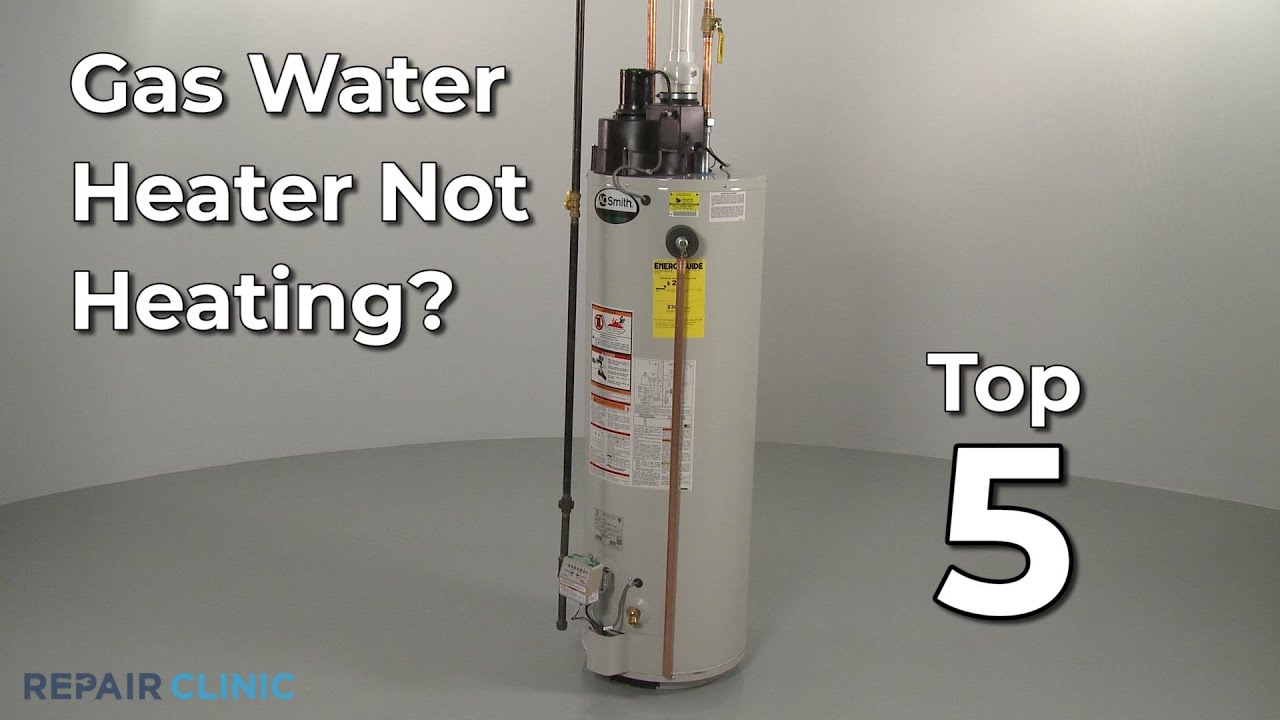
Gas hot water heaters can stop working for several common reasons. These issues affect heating and water flow. Understanding these problems helps in quick troubleshooting and repair. Below are some frequent problems you may face with gas heaters.
#1 No Hot Water
No hot water is the most common issue. It usually happens if the pilot light goes out. Sometimes, the gas supply may be turned off or interrupted. A faulty thermostat can also stop the water from heating. Checking these parts can help find the problem fast.
#2 Pilot Light Issues
The pilot light keeps the heater working. If it won’t stay lit, the heater won’t heat water. Dirt, dust, or a faulty thermocouple can cause pilot light problems. A weak gas supply or drafts may also put out the flame. Cleaning and adjusting parts often fix this issue.
#3 Strange Noises
Unusual sounds coming from your heater should not be ignored. Banging, popping, or rumbling noises often mean sediment buildup. Sediment blocks heat transfer and causes noise. Flushing the tank can remove sediment and reduce noise. Regular maintenance helps avoid these sounds.
#4 Water Temperature Fluctuations
Water temperature going up and down is frustrating. It can happen due to a broken thermostat or faulty gas control valve. Mineral buildup inside the tank can also affect temperature. Checking and replacing faulty parts usually restores steady water temperature. Consistent temperature means the heater works well.
Safety Precautions First
Safety comes first when your gas hot water heater stops working. Gas leaks or faulty parts can cause serious harm. Taking the right precautions protects you and your home. Never skip these steps before checking or fixing the heater.
1. Turn Off Gas Supply
Stop the gas flow immediately. Find the gas valve near the heater and turn it off. This prevents leaks and reduces the risk of fire or explosion. Always confirm the gas is fully shut off before doing anything else.
2. Ventilate The Area
Open windows and doors to let fresh air in. Good ventilation helps clear out any harmful gas that may have leaked. Avoid breathing in gas fumes because they can cause dizziness or worse.
3. Use Protective Gear
Wear gloves and safety glasses before handling the heater. Protective gear shields your skin and eyes from burns or debris. It also keeps you safe from sudden sparks or gas exposure.
Credit: www.youtube.com
Check The Gas Water Heater Pilot Light
When your gas hot water heater stops working, the pilot light is a common place to check first. The pilot light is a small flame that ignites the burner. If it goes out, your water heater won’t heat water. Checking the pilot light can often fix the problem quickly and save you a service call.
Step 1: Relighting The Pilot
First, find the pilot light access panel on your heater. Turn the gas control knob to the “off” position. Wait five minutes to clear any gas. Then, turn the knob to “pilot” and press it down. Use a lighter or match to light the pilot. Hold the knob for 30 seconds after the pilot lights. Release the knob slowly and check if the pilot stays lit. If it does, turn the knob to “on.”
Step 2: Inspecting The Thermocouple
The thermocouple senses the pilot flame and controls the gas valve. If it is faulty, the gas supply shuts off. Look for signs of damage or dirt on the thermocouple. Gently move it closer to the pilot flame if needed. Replace the thermocouple if it looks worn or broken. This small part is cheap and easy to install.
Step 3: Cleaning The Pilot Assembly
Dirt and debris can block the pilot assembly and stop the flame. Turn off the gas and remove the pilot tube and burner assembly. Use compressed air or a soft brush to clean inside. Clear any dust or spider webs carefully. Reassemble the parts and try lighting the pilot again. Cleaning helps keep the flame steady and strong.
Inspect The Thermostat
The thermostat controls the temperature of your gas hot water heater. It tells the heater when to turn on and off to keep water warm. A faulty thermostat can stop your water from heating properly. Checking the thermostat is a good first step in fixing the problem.
Task 1: Adjusting Temperature Settings
Start by checking the thermostat’s temperature setting. It should be around 120 degrees Fahrenheit for safe and comfortable water. Use a screwdriver to remove the access panel and find the thermostat dial. Turn the dial to adjust the temperature. Avoid setting it too high to prevent scalding.
Task 2: Testing Thermostat Function
Test the thermostat to see if it works correctly. Use a multimeter to check for electrical continuity. Turn off the power supply before testing. If the thermostat does not show continuity, it may be defective. Testing helps confirm if the thermostat is the problem.
Task 3: Replacing A Faulty Thermostat
If testing shows a bad thermostat, replacement is necessary. Turn off gas and power before starting. Remove the old thermostat carefully and install a new one matching your heater model. Secure all connections and replace the access panel. Restart the heater and check for proper function.
Examine The Gas Supply
Examining the gas supply is a key step when your gas hot water heater stops working. The heater depends on a steady gas flow to heat water. Without gas, the heater cannot function properly. Simple checks can reveal if the gas supply is the problem.
Checking Gas Valves
Start by inspecting the gas valves near the heater. Make sure the main gas valve is fully open. A partially closed valve can block gas flow. Also, check the valve on the heater itself. It should be open and free of damage. A closed or faulty valve stops gas from reaching the burner.
Looking For Gas Leaks
Gas leaks can cause the heater to stop working and create safety risks. Use a soapy water solution to test pipes and connections. Bubbles show where gas leaks may exist. Never ignore the smell of gas. If you suspect a leak, turn off the gas supply immediately and call a professional. Safety first.
Ensuring Proper Gas Pressure
Gas pressure affects heater performance. Low pressure means the burner may not light or stay lit. A pressure gauge can measure gas pressure at the heater. Check your local gas company’s recommended pressure range. If pressure is too low or high, contact a technician to adjust it. Correct pressure keeps your heater running smoothly.

Credit: hurlintongsp.com
Flush The Heater Tank
Flushing the gas hot water heater tank helps keep the heater working well. Sediment builds up inside the tank over time. This can block the heater and lower its efficiency. Flushing removes this sediment and stops damage. It also helps the heater last longer and saves energy.
Removing Sediment Build-up
Sediment is dirt and minerals that settle at the tank’s bottom. It forms a hard layer that blocks heat transfer. This makes the heater work harder and use more gas. Flushing the tank pushes out this sediment. It clears the tank and improves water heating speed.
Steps For Safe Flushing
Turn off the gas supply and the water heater power. Let the water cool down to avoid burns. Connect a garden hose to the tank drain valve. Open the valve and drain the water into a safe place. Keep the valve open to flush out the sediment. Close the valve and remove the hose when done. Turn on the water supply and gas again. Check for leaks and proper heating.
Frequency Of Maintenance
Flush the tank at least once a year. More often if you have hard water or heavy sediment. Regular flushing keeps the heater clean and efficient. It reduces repair needs and extends the heater’s life.
Pilot Control Valve Fixes
The pilot control valve is a small but important part of your gas hot water heater. It controls the gas flow to the pilot light. If the valve has a problem, the pilot light may not stay lit. This can stop your water heater from working properly.
Fixing the pilot control valve can often bring your heater back to life. Some fixes are simple and can be done at home. Other times, the valve needs to be replaced. Knowing the right steps helps you save time and money.
Cleaning The Valve
Dirt and debris can block the pilot control valve. This stops gas from flowing smoothly. Turn off the gas supply before starting. Use a soft brush or compressed air to clean the valve. Remove any dust or grime gently. Cleaning can help the pilot light stay on. Test the heater after cleaning to see if it works.
Replacing The Valve
Some valves wear out and cannot be cleaned. A faulty valve may cause gas leaks or no flame. Buy a new pilot control valve that fits your heater model. Turn off the gas and power supply first. Remove the old valve carefully. Install the new valve following the instructions. Check for gas leaks after replacement. Light the pilot to test the new valve.
When To Call A Professional
Gas leaks are dangerous and need expert help. If you smell gas or feel unsure, stop work immediately. A professional plumber or technician has the right tools and knowledge. They can fix or replace the valve safely. Calling a pro prevents accidents and ensures your heater works well. Do not try complex repairs alone.
Additional Quick Checks
Additional quick checks can help find simple problems with your gas hot water heater. These checks take just a few minutes. They often fix issues without needing a professional. Start by looking at the venting system, then check for error codes. Finally, try resetting the heater. Each step is easy to do and may save time and money.
Inspecting Venting Systems
Venting systems remove harmful gases from your heater. Make sure vents are clear of blockages. Look for bird nests, leaves, or debris. Check if vents are damaged or disconnected. Proper venting keeps your home safe and heater working well. A blocked vent can stop the heater from working.
Checking For Error Codes
Many gas hot water heaters show error codes on a display. These codes explain what is wrong. Look at the user manual to understand the codes. Common errors include ignition failure or gas supply issues. Noting the code helps fix the problem faster. Write down the code before calling for help.
Resetting The Heater
Resetting the heater can clear minor faults. Locate the reset button on the unit. Press and hold it for a few seconds. Wait for the heater to restart. This simple step often solves problems quickly. If the heater still does not work, continue with other checks or call a technician.
:max_bytes(150000):strip_icc()/reasons-gas-water-heater-not-working-5212987-hero-fe6b82a59053421c88b7d13ea311d3c5.jpg)
Credit: www.thespruce.com
Frequently Asked Questions
Why Is My Gas Hot Water Heater Not Heating Water?
A faulty pilot light or thermocouple often causes no heating. Check if the pilot is lit and clean or replace the thermocouple if needed.
How Do I Reset A Gas Hot Water Heater?
Locate the reset button near the gas valve. Press and hold it for 30 seconds, then release to reset the heater safely.
What Causes A Gas Water Heater Pilot Light To Go Out?
Drafts, dirt buildup, or a faulty thermocouple can extinguish the pilot light. Regular cleaning and inspections help prevent this issue.
Can A Clogged Burner Affect Hot Water Supply?
Yes, a clogged burner reduces flame efficiency, causing insufficient heating. Clean or replace the burner to restore proper function.
Conclusion
A gas hot water heater not working can disrupt daily life. Check simple issues like pilot light or gas supply first. Regular maintenance helps prevent many common problems. Call a professional if the problem seems complex or unsafe. Staying safe is more important than quick fixes.
Fixing the heater soon keeps your home warm and comfortable. Don’t ignore small signs of trouble. Act early to avoid bigger, costly repairs later. Clean, working heaters save energy and money too. Keep your hot water running smoothly with care and attention.