
Are you unsure about the right temperature for your gas water heater thermostat? Setting it too high can waste energy and risk burns, while setting it too low might leave you shivering under cold showers.
Finding the perfect balance not only saves money but also keeps your water comfortably warm every time you turn on the tap. You’ll discover simple tips and expert advice to optimize your gas water heater thermostat settings. Keep reading to learn how a small adjustment can make a big difference in your comfort and energy bills.

Credit: www.sirelmagroup.it
Page Contents
Ideal Temperature Range
Setting the right temperature on your gas water heater thermostat matters a lot. It keeps your water safe and comfortable. Too hot can cause burns. Too cold can lead to bacteria growth. Finding the ideal temperature range helps avoid these problems.
Recommended Settings For Safety
Experts suggest setting your water heater thermostat to 120°F (49°C). This temperature kills harmful bacteria. It also reduces the risk of scalding accidents. Homes with kids or elderly members should never exceed this setting. Safety comes first with water temperature.
Balancing Comfort And Efficiency
Keeping the thermostat at 120°F saves energy. It lowers your utility bills. Water feels warm enough for showers and washing dishes. Adjusting it slightly higher or lower can meet personal comfort needs. Still, avoid going above 130°F to prevent burns and waste.

Credit: www.youtube.com
Energy Saving Tips
Saving energy with your gas water heater helps cut bills and protects the environment. Simple changes to the thermostat settings can make a big difference. Small steps keep your home comfortable without wasting fuel.
Lowering Thermostat At Night
Turning down the thermostat while you sleep saves energy. Water does not need to be as hot overnight. Set the temperature to around 120°F to reduce fuel use. This setting still provides enough hot water for early morning tasks. Lower heat means less energy needed to keep water warm.
Using A Timer Or Smart Controls
Timers and smart controls adjust the heater based on your schedule. These devices turn the heater off when not needed. Set them to warm water before you wake or return home. Smart controls can learn your habits and save energy automatically. This avoids heating water all day without use.
Adjusting The Thermostat
Adjusting the thermostat on a gas water heater helps control water temperature. Setting the right temperature saves energy and prevents burns. This guide explains how to find and change the thermostat safely.
Locating The Thermostat Dial
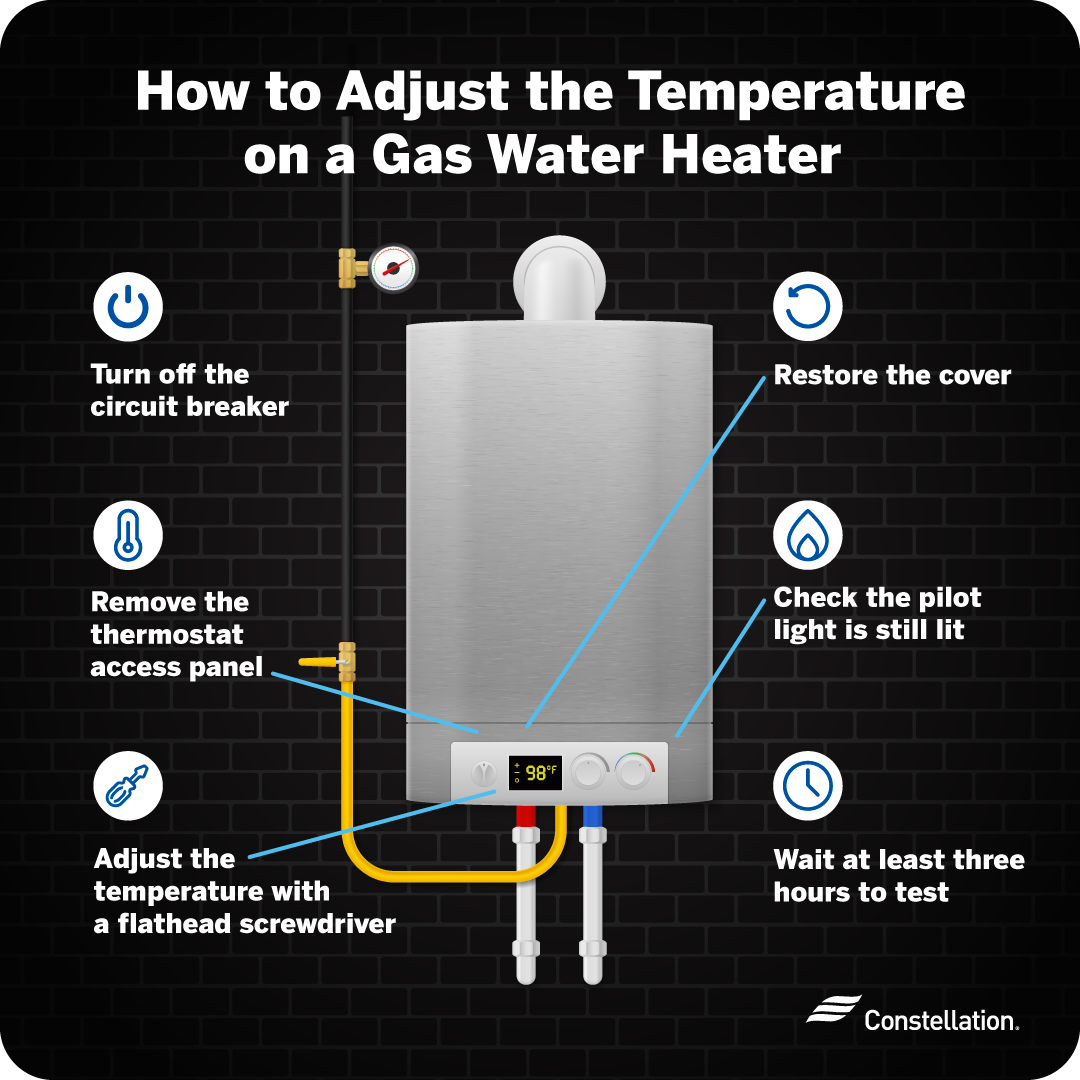
The thermostat dial usually sits behind a small access panel on the water heater. Look near the bottom or side of the tank. Remove the panel carefully to see the dial inside. It often has numbers or temperature marks. Use a flashlight if the area is dark.
Step-by-step Adjustment Guide
First, turn off the gas supply for safety. Wait a few minutes for the heater to cool. Turn the thermostat dial to the desired temperature. The recommended setting is usually 120 degrees Fahrenheit. Avoid setting it too high to prevent scalding.
After adjusting, replace the access panel. Turn the gas supply back on. Wait about 30 minutes for the water to reach the new temperature. Check the water temperature by running hot water from a tap. Repeat adjustments if needed, but do not adjust too often.
Common Issues And Fixes
Gas water heater thermostats can cause problems that affect your hot water. Understanding common issues helps you fix them quickly. This section covers frequent problems and easy solutions.
Inconsistent Water Temperature
Water may feel too hot or too cold at different times. This problem happens if the thermostat setting is wrong or the sensor is dirty. Adjust the thermostat to a steady temperature around 120°F. Clean the sensor gently to remove dust or buildup. Check pipes for leaks that cool the water before it reaches the tap.
Thermostat Malfunctions
The thermostat might stop working or show wrong readings. This can cause no hot water or overheating. Test the thermostat with a multimeter to see if it works. Replace the thermostat if it fails the test. Tighten loose wires and connections for better performance. Sometimes, resetting the system solves the issue.
Maintenance For Efficiency
Maintaining your gas water heater thermostat settings keeps the system efficient. Proper care helps save energy and extends the heater’s life. Small steps in maintenance make a big difference in performance.
Regular Flushing And Cleaning
Flushing the tank removes sediment build-up inside the heater. Sediment lowers heating efficiency and can cause damage. Drain a few gallons of water from the tank every six months. Use a garden hose to flush out leftover debris. Cleaning the burner area also improves heat transfer. This simple task keeps your heater running smoothly.
Checking For Leaks And Insulation
Leaks waste water and energy. Check pipes and connections for drips regularly. Tighten or replace parts showing signs of wear. Insulate the water heater and pipes to reduce heat loss. Use foam pipe insulation sleeves for best results. Proper insulation keeps water hotter longer and saves fuel.
Benefits Of Proper Settings
Setting your gas water heater thermostat correctly brings many benefits. It helps save money, keeps your heater working longer, and ensures safe water temperature. Proper settings balance comfort and efficiency. This makes daily use easier and more cost-effective.
Adjusting the thermostat to the right level avoids overheating and waste. It also protects your heater parts from damage. Here are key benefits of keeping the thermostat at the proper setting.
Lower Energy Bills
Correct thermostat settings reduce gas use. Water heats only to the needed temperature. Avoids extra energy spent on overheating water. This saves money on monthly utility bills. Small changes add up to big savings over time. Efficient heating means less fuel wasted. Lower bills free up money for other needs.
Extended Water Heater Lifespan
Proper temperature settings prevent wear and tear. Overheating strains heater parts and causes early damage. Keeping heat moderate protects the tank and thermostat. It reduces rust and buildup inside the heater. Less damage means fewer repairs and longer use. A well-maintained heater lasts many years. Saving on replacement costs is a great benefit.
Credit: www.constellationhome.com
Frequently Asked Questions
What Is The Ideal Thermostat Setting For Gas Water Heaters?
The ideal setting is usually 120°F (49°C). It balances energy efficiency and safety, preventing scalding and saving energy.
How Does Thermostat Setting Affect Water Heater Efficiency?
Lower thermostat settings reduce energy consumption. Higher settings increase heat loss, raising utility bills and wear on the heater.
Can I Adjust My Gas Water Heater Thermostat Myself?
Yes, most models allow easy adjustments. Follow manufacturer instructions carefully to avoid overheating or damaging the unit.
What Are The Risks Of Setting Thermostat Too High?
High settings can cause scalding and increase energy costs. It also shortens the lifespan of the water heater.
Conclusion
Setting the right thermostat keeps water safe and energy use low. Adjusting it to 120°F prevents burns and saves money. Check your heater often for best performance. Small changes make a big difference in comfort. Stay warm without wasting energy or risking damage.
Simple steps help your water heater last longer. Keep these tips in mind for daily use. A well-set thermostat means hot water when needed.