
Are you noticing strange noises or less hot water from your heater? Sediment buildup inside your hot water heater could be the hidden problem causing these issues.
If you want your water heater to work efficiently and last longer, understanding sediment problems is key. Keep reading to discover what sediment buildup means for your heater, how it affects your daily life, and simple steps you can take to fix it before it turns into a costly repair.
Your comfort and wallet will thank you.
Page Contents
Common Causes Of Sediment Build-up
Sediment build-up in hot water heaters causes many issues. It lowers heating efficiency and can damage the tank. Understanding the causes helps prevent these problems. Several factors contribute to sediment accumulation inside your water heater.
Hard Water Effects
Hard water contains high levels of minerals like calcium and magnesium. These minerals settle at the tank’s bottom as sediment. Over time, the layer thickens and reduces heat transfer. Hard water also causes corrosion inside the tank. This speeds up wear and tear on the heater.
Mineral Deposits
Mineral deposits form from dissolved salts in the water. Heating causes these salts to solidify and stick to the tank surface. Deposits can clog pipes and reduce water flow. They also create hot spots that damage the tank lining. These deposits build up faster in areas with high mineral content.
Lack Of Maintenance
Neglecting regular maintenance lets sediment accumulate unchecked. Flushing the tank removes built-up minerals and sediment. Without this, sediment layers grow thicker over time. Sediment traps heat, causing the heater to work harder. Maintenance also helps spot leaks and corrosion early.
Credit: www.hopbroscervejaria.com.br
Risks Linked To Sediment Accumulation
Sediment buildup in a hot water heater causes several problems. These risks affect how your heater works and its overall life. Sediment is made of minerals and dirt that settle at the bottom of the tank. Over time, this layer grows thicker and causes issues.
Understanding these risks helps to keep your heater working well. It also saves money on repairs and energy bills. Below are the main problems linked to sediment accumulation.
Reduced Efficiency
Sediment acts as a barrier between the water and the heater’s heating element. This barrier makes it harder for heat to reach the water. The heater then uses more energy to heat the water properly. As a result, your hot water supply may slow down or become inconsistent.
Shortened Heater Lifespan
Thick sediment layers put extra stress on the heater’s components. The heating element can overheat and fail sooner. Corrosion may also increase due to trapped moisture under sediment. These factors reduce the overall lifespan of your hot water heater.
Increased Energy Bills
More energy is needed to heat water through sediment buildup. This extra work leads to higher electricity or gas bills. Over time, the increased cost can add up to a significant amount. Keeping the tank clean helps avoid these unnecessary expenses.
Potential For Damage
Heavy sediment can cause cracks or leaks in the tank. Pressure may build up inside the tank and create dangerous situations. In some cases, sediment can block the drain valve. This blockage makes maintenance and repairs more difficult and costly.
Signs Your Heater Has Sediment Issues
Sediment buildup in a hot water heater causes many problems. Detecting these signs early helps avoid costly repairs. Sediment comes from minerals in water. Over time, it settles at the tank bottom. This layer affects heater performance and water quality.
Watch for these clear signs that sediment is causing issues in your water heater.
Strange Noises
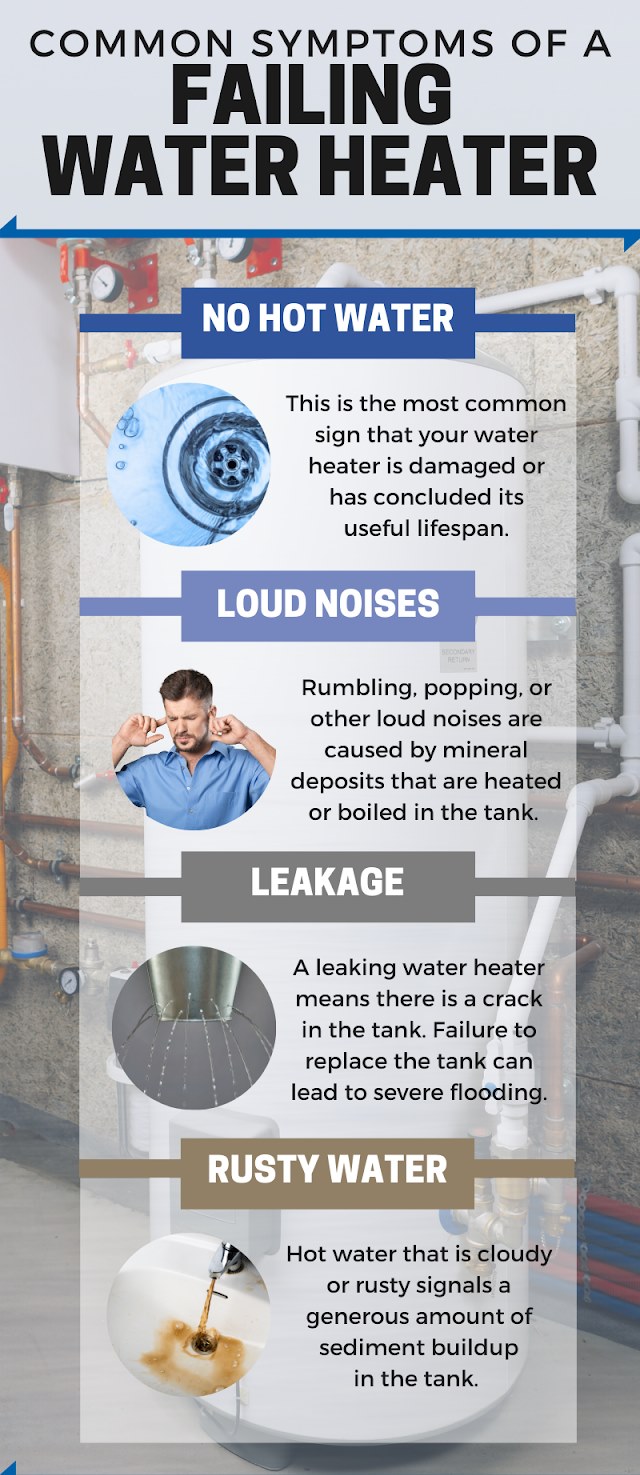
Banging, popping, or rumbling sounds mean sediment. Sediment traps water under it, which boils and makes noise. These sounds can get louder over time. They warn that the heater needs attention.
Inconsistent Water Temperature
Water temperature changes suddenly or does not get hot. Sediment blocks heat transfer, causing uneven heating. You may feel cold spots or fluctuating warmth. This inconsistency shows sediment buildup inside the tank.
Discolored Water
Rust-colored or brown water flows from taps. Sediment mixes with water and carries dirt or rust. Clear water should never look cloudy or dirty. Discolored water signals sediment and potential corrosion problems.
Longer Heating Times
Water takes more time to reach the right heat. Sediment reduces tank efficiency by insulating the heating element. Your heater works harder and uses more energy. Slow heating is a sign sediment slows heat transfer.

Credit: www.hopbroscervejaria.com.br
Simple Steps To Remove Sediment
Removing sediment from a hot water heater is important for its efficiency. Sediment buildup can cause problems like less hot water and higher energy bills. Simple steps can help keep your water heater clean and working well.
Flushing The Tank
Flushing the tank removes sediment from the bottom. Turn off the power or gas supply first. Attach a garden hose to the drain valve. Open the valve and let the water flow out. This clears out sediment and debris. Close the valve and refill the tank. Turn the power or gas back on.
Using A Water Softener
Hard water causes more sediment to build up. A water softener reduces minerals in water. This helps prevent sediment from forming inside the tank. Install a water softener on your main water line. It protects your water heater and plumbing system.
Regular Maintenance Tips
Check your water heater every six months. Flush the tank once a year to avoid sediment buildup. Inspect the anode rod for corrosion and replace if needed. Keep the temperature at 120°F to reduce mineral deposits. Regular care extends your water heater’s life and saves money.
Preventing Future Sediment Problems
Preventing future sediment problems in your hot water heater helps keep it working well. Sediment buildup can reduce heating efficiency and cause damage. Taking steps to stop sediment from gathering saves money and effort later. Simple actions keep your water heater clean and efficient.
Routine Inspection
Check your water heater regularly for signs of sediment. Look for strange noises or lower water temperature. Flush the tank every six months to remove sediment. Regular inspection helps catch problems early. Small efforts prevent big repairs.
Water Quality Testing
Test your water to find out if it has high mineral content. Hard water causes more sediment buildup. Use water test kits or hire a professional. Knowing water quality helps decide the right prevention method. Clean water means less sediment in your heater.
Installing Filtration Systems
Use filtration systems to reduce sediment and minerals in water. Filters protect your water heater from deposits. Choose filters designed for sediment and hard water. Install them on your main water line for best results. Filters extend the life of your water heater.

Credit: www.hopbroscervejaria.com.br
Frequently Asked Questions
What Causes Sediment Buildup In Hot Water Heaters?
Sediment forms from minerals like calcium and magnesium in water. Over time, these particles settle at the tank’s bottom. Hard water accelerates sediment buildup, reducing heater efficiency and lifespan.
How Does Sediment Affect Water Heater Performance?
Sediment reduces heat transfer, causing longer heating times. It lowers water heater efficiency, increases energy costs, and can cause strange noises. Sediment buildup may lead to tank corrosion and leaks.
How Often Should I Flush My Water Heater?
Flush your water heater at least once a year. Frequent flushing prevents sediment buildup and extends heater life. In areas with hard water, consider flushing every six months.
Can Sediment Damage A Hot Water Heater?
Yes, sediment can cause overheating and tank corrosion. It may clog pipes and valves, leading to leaks. Regular maintenance helps avoid costly repairs and premature heater failure.
Conclusion
Sediment buildup can cause serious problems in hot water heaters. It reduces heating efficiency and can lead to damage. Regular flushing helps keep your heater working well. Check your heater for signs of sediment often. Small steps prevent costly repairs later.
Clean tanks mean better hot water flow. A well-maintained heater saves energy and money. Don’t ignore sediment issues for long. Take action to protect your hot water supply. Simple care keeps your heater running smoothly.