
Typically, a 50-gallon water heater operate at a power range of 4,500 to 5,500 watts, depending on the model and efficiency rating. This wattage indicates the amount of electricity required to heat the water effectively.
The actual energy usage can vary based on factors such as the heater’s age, insulation quality, and the temperature settings. For instance, a more efficient model may use less energy to maintain the desired water temperature, while older units might consume more due to wear and tear.
To calculate the monthly energy cost, one can multiply the wattage by the number of hours the heater operates and then convert that to kilowatt-hours.
Page Contents
- 1 Energy Consumption Basics
- 2 Types Of Water Heaters
- 3 Estimating Wattage For 50 Gal Heaters
- 4 Impact On Energy Bills
- 5 Energy-saving Tips
- 6 Comparing Energy Efficiency
- 7 How Many Watts Does A 50-gal Water Heater Use?
- 8 Is A 50-gal Water Heater Energy Efficient?
- 9 Can I Reduce The Wattage Usage Of My Heater?
- 10 What Affects The Wattage Of A Water Heater?
- 11 Conclusion
Energy Consumption Basics
Wattage shows how much power something uses. A 50-gallon water heater uses a lot of watts. Most heaters use 4,500 to 5,500 watts. This is for heating the water. The exact number can change. It depends on the heater’s model.
Many things change how much power a heater uses. Water temperature is one. Colder water needs more energy. The heater’s efficiency also matters. Efficient models use less power. Usage habits can increase or decrease power needs. A lot of hot water use means more energy.
Types Of Water Heaters
Electric water heaters use electricity to heat water. They are easy to install. These heaters are very popular in homes. They can be more expensive to run. But they are efficient and clean. Some models are small and fit in tight spaces. They are also quiet and reliable.
Gas water heaters use natural gas or propane. They heat water quickly. These heaters are often cheaper to run than electric ones. But they need a vent for gas fumes. They can keep working during power outages. Some people prefer them for their speed and economy.
Hybrid water heaters use both electricity and heat pumps. They are energy-efficient. These heaters save money over time. They work well in warm climates. Hybrids are larger and need more space. But they offer great savings and efficiency for bigger families.
Estimating Wattage For 50 Gal Heaters
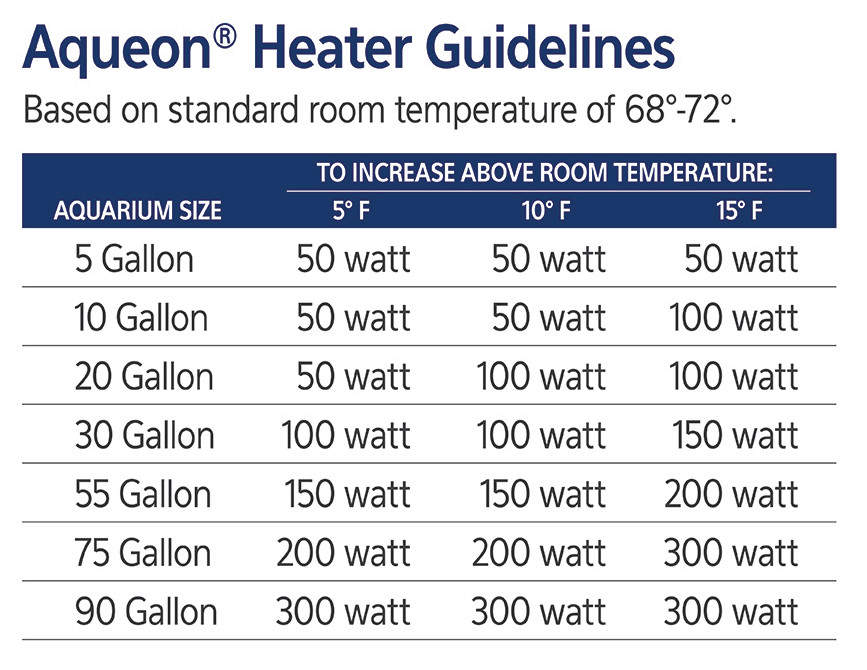
Electric heaters use around 4,500 to 5,500 watts. The exact wattage depends on the model. Some models use less powerbut heat slower. Choosing a heater with the right wattage is important. It affects how fast water heats up.
Gas models don’t use watts like electric ones. They use BTUs(British Thermal Units). Most gas heaters use around 30,000 to 40,000 BTUs. Gas heaters heat water quickly. They are often more efficient for large families.
Hybrid heaters use a mix of electric and heat pump technology. They use less energy than electric models. Typically, they use 2,500 to 3,500 watts. They work best in warm climates. They save money on electricity bills.
Credit: www.aqueon.com
Impact On Energy Bills
A 50-gallon water heater uses a lot of power. Usually, it needs around 4500 watts to heat water. This can be a big part of your energy bill. To find out the cost, first check your electricity rate. Most rates are in cents per kilowatt-hour. To get cost, multiply heater wattage by hours used. Then, multiply this by your rate. This gives you how much it costs each day.
Older heaters use more power. They can also waste energy. Newer models are better. They have insulation and modern technology. These features help save energy. Always look for models with an Energy Star label. This label means the heater is efficient. Over time, this can save money. Small changes can make a big difference.
Energy-saving Tips
Use a water heater blanket to keep it warm. This helps save energy. Wrap the pipes too. This stops heat loss. Use foam pipe covers. They fit snugly. Keep the heater in a warm spot. Cold places need more power.
Set the thermostat to 120 degrees. This saves energy and keeps water hot. Higher settings use more power. Check the settings often. Kids may change them. Lower settings are safer. They prevent burns.
Check the heater every year. Look for leaks and rust. Clean the tank. Remove sediment with a hose. This helps the heater work better. Replace old parts. Old parts waste energy. Keep the area around clean. Dust can make it work harder.
Credit: www.homedepot.com
Comparing Energy Efficiency
Energy Star Ratings help find efficient water heaters. They save energy and money. A 50-gallon water heater with an Energy Star label uses less power. This means lower electricity bills and less environmental impact. Energy-efficient heaters often cost more upfront. Yet, they offer savings over time.
Calculating Long-Term Savings is important. An efficient heater can save hundreds of dollars. Over the heater’s lifespan, this adds up. Many find investing in efficiency worth while. Always check the heater’s energy rating before buying. This ensures you choose the best option for both savings and efficiency.
How Many Watts Does A 50-gal Water Heater Use?
A 50-gallon water heater typically uses between 4,000 to 5,500 watts. The exact wattage depends on the heater’s efficiency and model.
Higher efficiency models may consume fewer watts while delivering the same performance. Always check the specifications for accurate wattage information.
Is A 50-gal Water Heater Energy Efficient?
Yes, modern 50-gal water heaters are designed to be energy efficient. They often include features like insulation and adjustable thermostats.
These elements help reduce energy consumption, saving you money on electricity bills. Look for models with high Energy Factor ratings for better efficiency.
Can I Reduce The Wattage Usage Of My Heater?
Yes, you can reduce wattage usage by lowering the thermostat setting. Insulating the heater and its pipes can also help. Regular maintenance ensures the heater operates efficiently. Consider using a timer to limit the heater’s operation during peak hours.
What Affects The Wattage Of A Water Heater?
Several factors affect the wattage, including heater size, efficiency, and usage patterns. The thermostat setting and insulation quality also play a role. Regular maintenance ensures optimal performance and energy use. Choosing energy-efficient models can significantly impact overall wattage consumption.
Conclusion
Choosing a 50-gallon water heater involves understanding its watt usage. It typically uses between 4,500 to 5,500 watts. Efficient models save energy and reduce bills. Regular maintenance helps keep performance optimal. Consider energy-efficient options for lower usage. This knowledge aids in making informed decisions.
You save energy while meeting home needs. Ensure your water heater matches household requirements. Check specifications before purchase. Balance energy use and efficiency for best results. Your choice impacts comfort and costs. Be mindful of wattage and heater efficiency. This careful selection benefits your home and environment.