
Is your Reliance water heater acting up or not heating water like it used to? The reset button might be the simple fix you need.
Knowing how and when to use the Reliance water heater reset button can save you time, money, and frustration. You’ll discover why the reset button is important, how it works, and the easy steps to get your water heater back on track.
Keep reading to regain control of your hot water quickly and safely.
Credit: terrylove.com
Page Contents
Why Reset Your Water Heater
Resetting your Reliance water heater can fix many common problems. It helps restore normal function and saves you from costly repairs. A simple reset often makes your water heater work like new again.
Understanding why to reset your water heater can save time and effort. It clears errors and resets the system safely. This step is easy and often overlooked but very helpful.
Common Issues Needing A Reset
Water heater stops heating water suddenly. The pilot light goes out or won’t stay lit. The heater shows error codes or unusual noises. Thermostat settings seem wrong or unresponsive. These problems often clear after a reset.
Benefits Of Resetting
Resetting restores normal heating quickly. It prevents small issues from becoming bigger. Saves money by avoiding service calls. Extends the life of your water heater. Keeps your home comfortable with steady hot water.
Locating The Reset Button
Finding the reset button on your Reliance water heater is an important step for basic troubleshooting. This button helps restart the heater if it stops working properly. Knowing where the reset button is located saves time and avoids confusion during repairs.
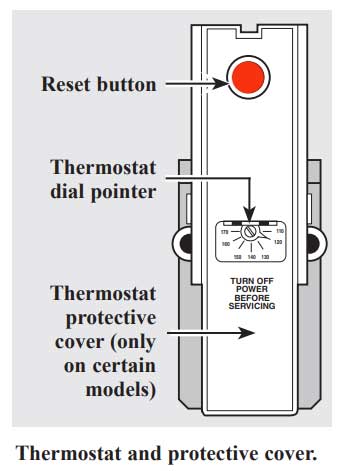
Each model may have a slightly different button position. The reset button is usually small and red. It might be hidden behind a panel or cover for safety reasons. Take a careful look around the heater’s body to spot it.
Typical Button Placement
The reset button is often near the thermostat or control panel. It sits on the front or side of the heater. Some models place the button behind a small access panel. Removing this panel may require a screwdriver.
Look for a red or black button that stands out. It is usually labeled “Reset” or has a small symbol. If you cannot find it, check the user manual for your Reliance water heater model. The manual gives exact location details.
Safety Precautions Before Reset
Turn off the power supply before pressing the reset button. This step prevents electric shocks and injury. Also, shut off the water supply to avoid leaks.
Wear gloves and use a dry cloth to touch the button. Make sure the area is dry and clear of any water. These actions protect you from accidents.
Press the reset button firmly but gently. Do not force it. If it does not click or reset, there may be a deeper issue. Contact a professional technician for help.
Step-by-step Reset Process
Resetting your Reliance water heater is simple and quick. Following the right steps keeps it working safely. This guide helps you reset the heater correctly.
Turning Off The Power
First, switch off the power supply to the heater. Find the circuit breaker or switch that controls the heater. Turn it off to avoid electric shock. Always ensure the power is completely off before touching the heater.
Pressing The Reset Button
Locate the reset button on the heater’s control panel. It is usually red and easy to spot. Press the button firmly. Hold it for a few seconds and release. This action resets the internal thermostat and clears any errors.
Restarting The Heater
Turn the power back on after pressing the reset button. Wait a moment for the heater to start. Check if the water is heating properly. If it does not work, repeat the process or call a professional.
Troubleshooting After Reset
After pressing the Reliance water heater reset button, some issues may still appear. Troubleshooting helps find and fix these problems quickly. Knowing what to check can save time and avoid extra costs.
Start by observing the heater closely. Note any changes in performance or unusual signs. Troubleshooting steps focus on common problems that occur after a reset.
No Hot Water
No hot water after a reset means the heater might not be heating properly. Check if the power supply is stable and the circuit breaker is on. The reset button may not work if the thermostat or heating element is faulty. Testing these parts can identify the exact cause. Sometimes, sediment buildup inside the tank blocks heating. Flushing the tank can restore hot water quickly.
Reset Button Keeps Tripping
If the reset button trips often, the heater has a safety issue. This usually means the water temperature is too high or there is an electrical fault. Look for signs of overheating or damaged wiring. A faulty thermostat can cause constant tripping. Replace any damaged parts to stop this problem. Avoid pressing the reset button repeatedly without fixing the root cause.
Strange Noises Or Smells
Odd noises or smells after a reset signal a problem inside the heater. Rumbling sounds may come from sediment buildup at the tank bottom. This reduces efficiency and damages parts. Strange smells could mean burning wires or overheating. Turn off the heater and inspect for electrical issues. Call a professional if you cannot identify the problem safely.
Maintenance Tips To Prevent Resets
Maintaining your Reliance water heater helps avoid frequent resets. Simple care keeps it running smoothly and safely. Small efforts prevent big problems and save money. Follow these easy tips to keep your heater in good shape.
Regular Cleaning
Dust and dirt can build up on your water heater. Clean the outside regularly with a soft cloth. Remove any debris near the heater to keep airflow clear. Clean the burner area carefully to avoid blockages. A clean heater works more efficiently and lasts longer.
Checking Thermostat Settings
The thermostat controls water temperature. Set it between 120 and 140 degrees Fahrenheit. Too high can cause overheating and reset issues. Too low wastes energy and may not provide enough hot water. Check settings often to ensure proper temperature.
Inspecting For Leaks
Leaks cause water damage and reduce heater performance. Look under and around the heater for water spots or drips. Even small leaks need quick attention. Fix leaks early to prevent corrosion and avoid reset button trips.

Credit: www.youtube.com
When To Call A Professional
Knowing when to call a professional for your Reliance water heater reset button is important. Some problems need expert help to avoid damage or injury. Understanding the signs can save time and money.
Persistent Reset Issues
If the reset button keeps tripping, it signals a deeper problem. Frequent resets mean the water heater might overheat or have faulty parts. A professional can diagnose and fix these issues safely.
Electrical Concerns
Water heaters run on electricity and can be dangerous. Sparks, burning smells, or flickering lights near the heater require immediate expert attention. Never try to fix electrical problems yourself.
Warranty And Safety
Opening or fixing your water heater can void its warranty. Professionals follow safety rules and keep your warranty intact. Trust experts to protect your home and your appliance.

Credit: www.aosmithatlowes.com
Conclusion
Resetting the Reliance water heater button often solves many common issues. It helps restore normal function quickly and safely. Always follow the instructions carefully to avoid damage. Regular checks keep your heater working well longer. Small steps like this save time and money.
Keep your water heater maintained for steady hot water. The reset button is a simple fix anyone can try. Stay safe and enjoy warm water every day.