
Are you thinking about upgrading to a tankless electric water heater but unsure if your home’s electrical system can handle it? Understanding the power requirements is key to making the right choice without unexpected costs or hassles.
You’ll discover exactly how much electricity these heaters need, what that means for your wiring and breaker panel, and how to prepare your home for a smooth installation. Keep reading to ensure your new water heater works efficiently and safely from day one.
Credit: camplux.com
Page Contents
Tankless Electric Water Heater Basics
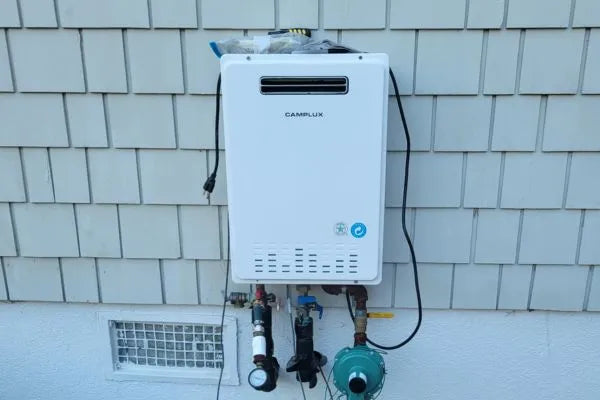
Tankless electric water heaters heat water only when needed. Cold water flows through the unit. Heating elements warm the water instantly. No storage tank is used, so water does not run out.
Benefits over traditional heaters include saving space since they are small. They use less energy because they do not keep water hot all the time. This means lower electric bills. They also last longer, often over 20 years, with less chance of leaks.
Credit: www.genexuk.co.uk
Power Consumption Factors
Flow rate is how much water flows through the heater each minute. Higher flow means the heater uses more power to heat water fast. If the flow rate is low, the heater needs less power. This affects the size of the electric circuit and the heater’s capacity.
Temperature rise is the difference between cold water and hot water temperature. A bigger rise needs more energy. For example, heating water from 50°F to 120°F takes less power than from 40°F to 140°F. This is important to choose the right heater for your climate and use.
Electrical Specifications
Tankless electric water heaters need specific voltage to work well. Most models use either 120 volts or 240 volts. The choice depends on the heater’s size and power. Check the label for the right voltage.
The amperage and wattage show how much electricity the heater uses. A small unit might need 15 amps, while bigger ones can require 50 amps or more. Wattage usually ranges from 1,440 watts to over 7,500 watts. Higher wattage means more hot water fast.
| Specification | Typical Range |
|---|---|
| Voltage | 120V or 240V |
| Amperage | 15A to 50A+ |
| Wattage | 1,440W to 7,500W+ |
| Circuit Breaker Size | 20A to 60A |
Circuit breakers protect your home wiring. Pick one that matches your heater’s amperage. Too small causes trips; too big can be unsafe. Always check local rules and ask an electrician.
Installation Considerations
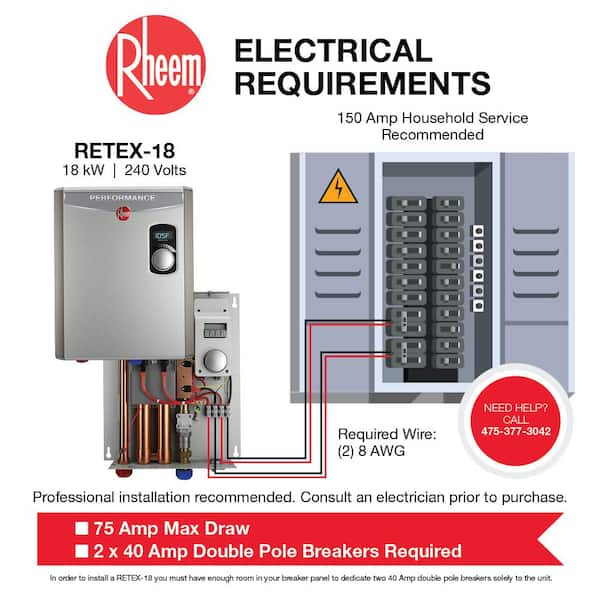
Proper wiring is essential for tankless electric water heaters. These units often need dedicated circuits to handle their high power draw. Using wires with the correct gauge prevents overheating and fire risks. Check local electrical codes to match the requirements.
Panel capacity matters a lot. Tankless heaters can draw a lot of amps, sometimes up to 50-60 amps or more. This may require upgrading your electrical panel or adding a sub-panel. Ensure your panel can support the added load without tripping breakers.
Safety measures include installing proper breakers and using ground fault circuit interrupters (GFCIs) where needed. Always confirm the heater is correctly grounded. This reduces shock risk and keeps your system safe.
Energy Efficiency Tips
Proper sizing of a tankless electric water heater is key to saving energy. A unit too small will struggle to heat water, wasting power. Too large means paying for extra capacity you do not use. Measure your home’s hot water needs carefully before buying.
Usage patterns also affect power needs. Running many showers or appliances at once requires more energy. Use water at different times to avoid high demand. Spreading out use lowers power load and saves money.
Maintenance practices keep the heater running well. Cleaning filters and removing mineral buildup improve efficiency. Regular checks help find leaks or parts needing repair. Well-maintained heaters use less electricity and last longer.
Credit: www.homedepot.com
Common Issues And Solutions
Power surges can damage the heater’s electrical parts. They cause sudden spikes in voltage. Installing a surge protector helps protect the device.
Insufficient power supply stops the heater from working well. The heater needs a specific voltage and amperage. Check the home’s circuit breaker and wiring for proper power.
Troubleshooting steps include checking the circuit breaker and reset it if needed. Inspect wiring for loose or damaged connections. Use a multimeter to measure voltage at the heater’s power supply. If power is low, call an electrician to upgrade the circuit. Regular maintenance helps avoid problems and keeps the heater running smoothly.
Frequently Asked Questions
What Are The Typical Power Needs For Tankless Electric Heaters?
Tankless electric water heaters usually require 12 to 40 kW power. This depends on flow rate and temperature rise. Proper electrical supply ensures efficient heating and safety.
How Much Voltage Does A Tankless Electric Heater Use?
Most tankless electric water heaters need 240 volts. Some smaller units operate at 120 volts. Always check the manufacturer’s specifications for correct voltage.
Can My Home Electrical Panel Support A Tankless Heater?
Tankless heaters often need a dedicated circuit and higher amperage. Older panels may require an upgrade. Consult a licensed electrician to verify panel capacity before installation.
What Is The Amperage Requirement For Tankless Electric Water Heaters?
Amperage typically ranges from 50 to 150 amps, depending on heater size. Larger units need higher amperage for optimal performance. Correct amperage prevents electrical overloads and hazards.
Conclusion
Choosing the right power for your tankless electric water heater matters. It affects how well your heater works and saves energy. Check your home’s electrical system before buying. Proper installation keeps your heater safe and efficient. Knowing power needs helps avoid costly upgrades later.
Keep these tips in mind for a smooth setup. Your water heater will run better and last longer. Simple steps make a big difference in comfort and cost.