
Choosing the right size for your tankless electric water heater can feel tricky. If it’s too small, you won’t get enough hot water when you need it most.
Too big, and you’ll waste energy and money. You want your water heater to match your daily needs perfectly. You’ll discover simple steps to find the ideal size for your home. By the end, you’ll feel confident picking a water heater that saves you time, energy, and stress.
Keep reading to make sure your hot water is always just right.
Page Contents
Benefits Of Tankless Electric Water Heaters
Tankless electric water heaters save a lot of energy. They heat water only when needed. This means no energy waste from storing hot water all day. Users can enjoy lower electric bills over time.
The small size of tankless heaters fits well in tight spaces. They can be placed in closets, under sinks, or small utility rooms. This helps save valuable home space.
Over the years, these heaters reduce costs. Less energy use means less money spent on bills. Also, they last longer and need fewer repairs. This leads to fewer expenses on maintenance.
Credit: www.laars.com
Key Factors For Sizing
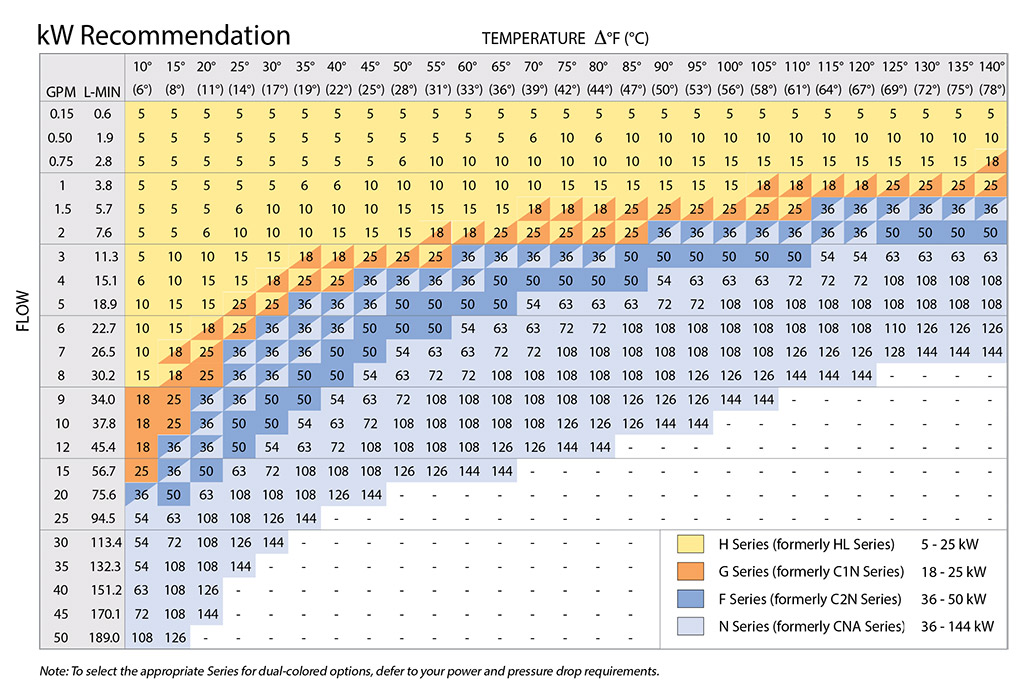
Flow rate requirements measure how many gallons of water flow per minute. This shows how much hot water is needed at once. Higher flow rates need bigger heaters. Common flow rates are 2 to 5 gallons per minute.
Temperature rise needs mean how much the water must warm up. It is the difference between cold water temperature and desired hot water temperature. Larger temperature rises require more powerful heaters.
Household water usage patterns show when and how much water is used. If many people use hot water at the same time, a larger heater is needed. If use is spread out, a smaller heater may work well.
Calculating Flow Rate
Start by listing all water fixtures used at the same time. Examples include showers, sinks, and dishwashers. Identify the peak demand times when many fixtures run together.
Estimate each fixture’s gallons per minute (GPM). Showers usually use about 2.5 GPM. Faucets might use 1.5 GPM. Add these numbers for all fixtures running simultaneously.
Adjust the total GPM for simultaneous usage. Not all fixtures run fully at once. Use a factor like 0.75 to reduce total flow rate. Multiply the sum by this factor to get a realistic flow rate.
| Fixture | Typical GPM |
|---|---|
| Shower | 2.5 |
| Bathroom Sink | 1.5 |
| Kitchen Faucet | 2.2 |
| Dishwasher | 1.5 |

Credit: tankthetank.com
Determining Temperature Rise
The cold water inlet temperature is the starting point for sizing a tankless electric water heater. This temperature varies by location and season. It can be as low as 40°F in winter or higher in summer.
The desired hot water temperature is usually around 120°F to 140°F. This number helps calculate the temperature rise needed. The difference between hot and cold water temperatures shows how much heating power is required.
Seasonal variations affect cold water temperature significantly. In colder months, more energy is needed to reach the desired hot water temperature. In warmer months, less energy is required.
| Factor | Typical Temperature (°F) |
|---|---|
| Cold Water Inlet (Winter) | 40 – 50 |
| Cold Water Inlet (Summer) | 70 – 80 |
| Desired Hot Water | 120 – 140 |
Matching Heater Capacity
Kilowatt (kW) ratings show the power of tankless electric water heaters. Higher kW means more hot water quickly. Smaller units have lower kW and heat water slower. Choose a kW size based on your household needs.
| Model Size (kW) | Flow Rate (Gallons per Minute) | Best For |
|---|---|---|
| 8 – 12 kW | 1 – 2 GPM | Single faucet or small apartments |
| 15 – 20 kW | 2 – 3 GPM | Small homes or multiple faucets |
| 24 – 28 kW | 3 – 5 GPM | Large homes or several bathrooms |
Balance size with energy use. Bigger heaters use more power but deliver more hot water. Choose a size that fits your water use and saves energy. Small heaters save power but may not meet high demand.
Installation Considerations
Tankless electric water heaters need the right electrical supply. Check your home’s wiring and circuit breaker capacity. They usually require a dedicated high-amperage circuit. This prevents overloads and keeps everything safe.
Choose a location close to water outlets. This reduces heat loss and wait time for hot water. Wall mounting saves space. Make sure the spot is dry and easy to reach for repairs.
- Clean filters regularly to avoid clogging.
- Check for leaks around connections.
- Inspect electrical parts for damage.
- Flush the system yearly to remove mineral buildup.
Common Sizing Mistakes
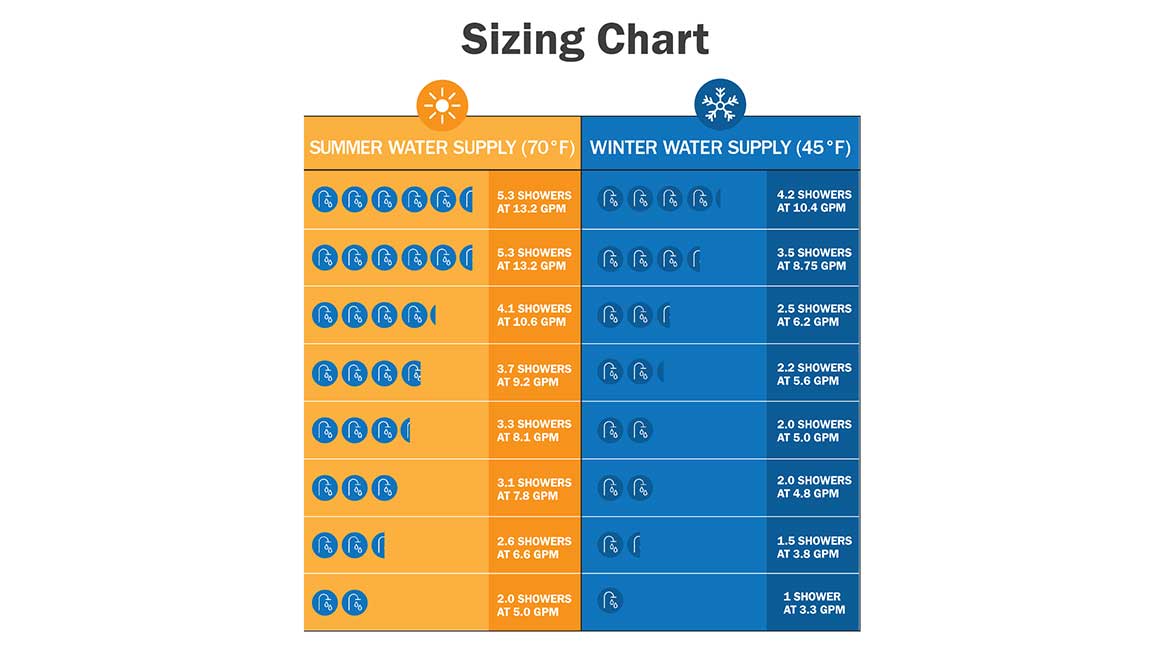
One common mistake is underestimating demand. Many people think they need less hot water than they actually use. This causes the heater to run out of hot water quickly. It is important to count all water uses at the same time.
Ignoring temperature variations can also cause problems. Water coming into the house is colder in winter. The heater must work harder to warm it up. Not planning for this means the heater may not provide enough hot water.
Overlooking energy costs can lead to higher bills. Bigger heaters use more electricity. Choosing the right size saves money and energy. A heater too big or too small is not efficient.
Credit: honikon.cz
Energy Savings Tips
Demand response features help save energy by adjusting water heater use during peak times. These features reduce electricity costs by running the heater when energy is cheaper. This simple change can lower your monthly bills without losing comfort.
Regular maintenance keeps the heater working well. Cleaning or checking parts helps avoid breakdowns. It also keeps the heater efficient, saving energy and money over time.
Combining solar water heating with a tankless electric heater cuts energy use further. Solar panels provide free, clean energy to heat water. The electric heater works only when solar energy is low, making the whole system smart and cost-effective.
Frequently Asked Questions
How Do I Size A Tankless Electric Water Heater?
Sizing depends on your household’s peak hot water demand. Calculate flow rate in gallons per minute (GPM) and required temperature rise. Choose a unit that matches or exceeds these requirements for optimal performance and energy efficiency.
What Is The Ideal Flow Rate For Tankless Water Heaters?
The ideal flow rate varies by household size. Typical rates range from 2 to 5 GPM for small to medium homes. Larger homes may require units supporting 6 GPM or more to meet simultaneous hot water needs.
How Does Temperature Rise Affect Heater Sizing?
Temperature rise is the difference between incoming water and desired hot water temperature. Higher rises need more powerful heaters. Accurate rise calculation ensures your tankless heater delivers consistent hot water without overloading.
Can A Tankless Water Heater Handle Multiple Outlets?
Yes, but capacity matters. Ensure the unit’s GPM rating covers all simultaneous water uses. For multiple outlets, select a higher capacity model or consider installing multiple units for balanced performance.
Conclusion
Choosing the right size for a tankless electric water heater matters a lot. It saves energy and gives enough hot water for your needs. Small units may run out of hot water quickly. Large ones waste electricity and cost more.
Think about how many people live in your home. Also, consider your daily hot water use. This helps pick the best size that fits your lifestyle. Proper sizing means comfort, savings, and less stress. Take time to measure and plan before buying.
It makes a big difference in the long run.