
Thinking about upgrading to a tankless water heater? You’re probably wondering about the average cost and whether it fits your budget.
Understanding the price can help you make a smart choice for your home and save money in the long run. You’ll get clear, straightforward information on the costs involved—no confusing jargon, just the facts you need. Keep reading to find out how much you should expect to spend and what factors can affect the price.
Your perfect hot water solution is closer than you think.

Credit: skintherapy.com.pl
Page Contents
Tankless Water Heater Basics
Tankless water heaters offer a modern way to heat water at home. They save space and energy by heating water only when needed. Understanding the basics helps you decide if this system fits your needs. This section explains how tankless water heaters work and their different types.
How Tankless Heaters Work
Tankless water heaters heat water instantly. Cold water flows through the unit’s heating element. The water heats quickly without storing hot water in a tank. This method reduces energy use and provides endless hot water. You get hot water on demand, no waiting for a tank to fill.
Types Of Tankless Water Heaters
Two main types exist: electric and gas tankless heaters. Electric models are smaller and easier to install. They work well for homes with low to moderate hot water needs. Gas models use natural gas or propane. They are more powerful and better for larger homes. Choosing depends on your home’s fuel source and hot water demand.
Factors Affecting Cost
Several factors influence the average cost of a tankless water heater. Understanding these elements helps you plan your budget better. Costs vary widely based on the unit, installation needs, and energy savings.
Unit Price Variations
Tankless water heaters come in many types and sizes. Small units cost less than larger ones. Brands and features also affect the price. Higher capacity units serve bigger homes but cost more. Simple models focus on basic heating and cost less. Advanced models include digital controls and better warranties.
Installation Expenses
Installation costs depend on your home’s setup. Older homes may need pipe or electrical upgrades. Complex installations take more time and raise costs. Some units require special venting systems. Labor rates vary by region and installer skill. Proper installation ensures safety and efficiency.
Energy Efficiency Impact
Energy-efficient models save money over time. They use less fuel and reduce utility bills. These units often have higher upfront costs. Savings grow with frequent use and rising energy prices. Choosing energy-efficient options adds value beyond purchase price.
Cost Breakdown
The cost of a tankless water heater includes several parts. Knowing these helps you budget better. Costs vary by model, installation, and upkeep. Understanding each part makes the total clearer.
Here is a detailed breakdown of what to expect for a tankless water heater.
Average Purchase Price
The price for a tankless water heater ranges widely. Small units start around $200. Larger, more powerful units can cost over $1,000. Quality and brand also affect the price. Most buyers spend between $500 and $900.
Typical Installation Fees
Installation costs depend on home setup and unit type. Basic installations may cost $300 to $500. Complex setups can reach $1,000 or more. Gas units usually cost more to install than electric ones. Proper installation is key for safety and efficiency.
Maintenance And Repair Costs
Maintaining a tankless water heater keeps it working well. Annual servicing can cost $80 to $150. Repairs vary based on the problem. Minor fixes might cost $100, major repairs could be $500 or more. Regular maintenance helps avoid big repair bills.
Comparing Tankless And Traditional Heaters
Choosing between tankless and traditional water heaters affects cost, space, and savings. Both types offer hot water but differ in how they work and what you pay upfront and over time.
Initial Investment Differences
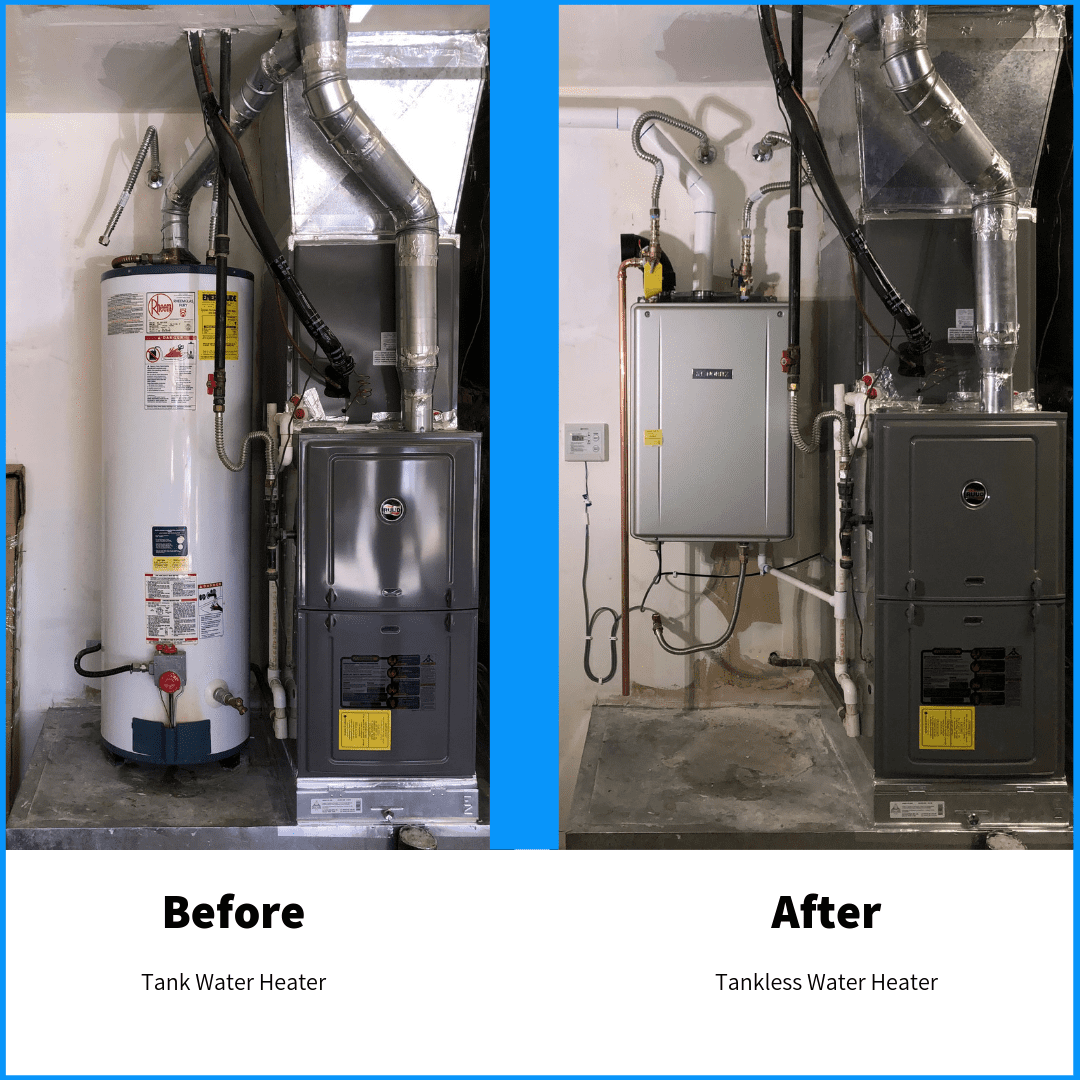
Traditional water heaters usually cost less to buy and install. Tankless models have higher upfront prices. Installation for tankless heaters may require special plumbing or electrical work. This adds to the initial cost. Still, many people find the higher price worth it for long-term benefits.
Long-term Savings
Tankless heaters use energy only when hot water is needed. This reduces utility bills. Traditional heaters keep water hot all the time, using more energy. Over several years, tankless systems save money on energy. Maintenance costs vary but are often lower for tankless heaters. These savings can balance out the higher initial price.
Space And Lifespan Considerations
Tankless water heaters are compact and mount on walls. They free up floor space in homes. Traditional heaters take more room with large tanks. Tankless units last longer, often 20 years or more. Traditional heaters usually last 10 to 15 years. The longer lifespan means fewer replacements for tankless models.
Ways To Save On Tankless Water Heaters
Saving money on a tankless water heater matters a lot. These heaters save energy but can cost more at first. Smart choices help cut costs without losing quality. Learn smart ways to save on your new water heater.
Choosing The Right Size
Pick a tankless heater that fits your home’s needs. Too big wastes energy and money. Too small means less hot water. Check how many people live with you. Consider your daily water use. A properly sized heater works well and saves money.
Available Rebates And Incentives
Many states offer rebates for energy-efficient heaters. These reduce the purchase price. Check local government websites for offers. Some utility companies give discounts too. Use these savings to lower your upfront cost.
Hiring Qualified Installers
Choose experienced installers for your heater. Poor installation causes problems and higher bills. A skilled installer ensures safety and efficiency. Ask for quotes and read reviews. Good installation saves money over time.
Credit: www.agriturismo-laquercia.com
Common Installation Challenges
Installing a tankless water heater has some common challenges. These can affect the total cost and time of installation. Knowing these issues helps prepare for a smoother process. Below are key challenges many homeowners face.
Electrical And Gas Requirements
Tankless water heaters need specific electrical and gas setups. Many models require a higher electrical load than traditional heaters. This may mean upgrading your home’s wiring or circuit breaker.
Gas-powered models need a strong and steady gas supply. The existing gas lines might need resizing or replacement. This upgrade can increase installation costs.
Retrofitting Older Homes
Older homes often lack the infrastructure for tankless systems. Space can be limited, making placement tricky. Plumbing may need major changes to fit new units.
Walls or floors might need opening to run pipes or wires. These extra steps add time and expense. Planning carefully can reduce surprises during installation.
Permits And Regulations
Local laws often require permits for installing tankless water heaters. These rules ensure safe and proper installation. Getting permits takes time and sometimes extra fees.
Inspectors may check the work before final approval. Non-compliance can cause delays or additional costs. Working with licensed professionals helps meet all rules.
When To Replace Your Water Heater
Knowing when to replace your water heater saves money and stress. Old or faulty heaters waste energy and raise bills. Replacement improves home comfort and efficiency. Watch for clear signs to decide the right time.
Signs Of Inefficiency
Water takes longer to heat than before. Hot water runs out quickly during showers. Strange noises come from the heater tank. Rust or water leaks appear near the unit. Water looks cloudy or smells odd.
Cost Vs. Benefit Analysis
Repair costs rise as the unit ages. Frequent repairs may cost more than a new heater. New models save energy and reduce bills. Consider long-term savings over short-term fixes. Calculate the payback time before deciding.
Upgrading Options
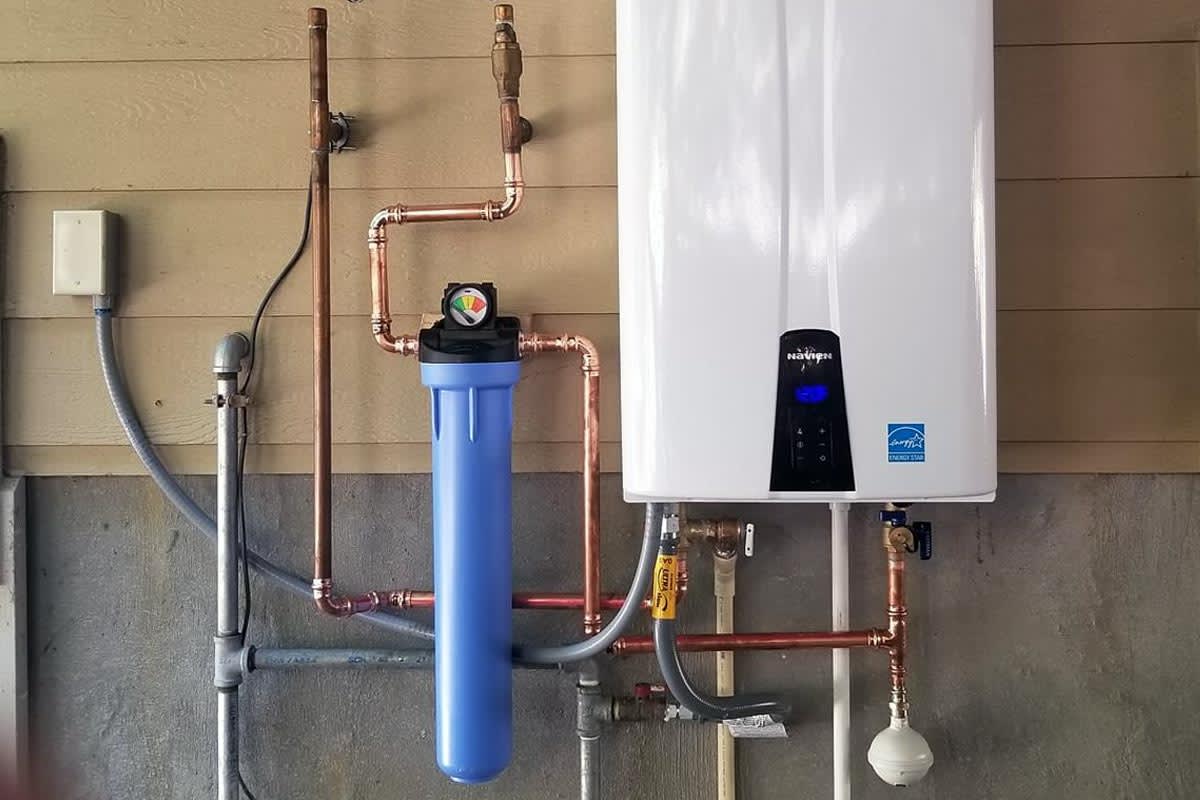
Tankless water heaters save space and energy. They heat water instantly without a storage tank. Choose the right size for your household needs. Modern units have better temperature control. Professional installation ensures safety and performance.
Credit: homeguide.com
Conclusion
Tankless water heaters save space and energy in your home. Costs vary based on size, brand, and installation needs. Choosing the right model depends on your hot water use and budget. Remember to consider long-term savings, not just the initial price.
Regular maintenance keeps the system efficient and lasting longer. Think carefully before buying to get the best value. A smart choice today can lower bills tomorrow.