If you own a tankless water heater, you know how important it is to keep it running smoothly. Flushing your system regularly can prevent buildup and extend its life.
But here’s the catch: choosing the right flush pump size makes all the difference. Too big or too small, and you might face problems that could cost you time and money. You’ll discover exactly what pump size works best for your tankless water heater.
Keep reading to avoid common mistakes and make sure your system stays efficient and trouble-free.
Page Contents
Why Flush Tankless Water Heaters
Regular flushing keeps your tankless water heater working well. It removes minerals and debris that build up inside. This buildup can cause clogs and reduce heating efficiency. Flushing also helps to avoid costly repairs and extends the heater’s life.
Signs to watch for include low hot water flow and strange noises. If water heats slowly or unevenly, flushing is needed. Notice water discoloration or smells? These are also clues. Flushing fixes these problems and keeps water clean.
Choosing The Right Flush Pump Size
The flow rate is key for choosing a flush pump. It must match the water heater’s requirements. Most tankless heaters need around 1.5 to 3 gallons per minute. Too low a flow means poor cleaning. Too high can cause damage.
Pressure also matters. The pump should provide steady pressure, usually between 20 to 40 PSI. Too much pressure can harm the heater parts. Too little pressure will not flush well.
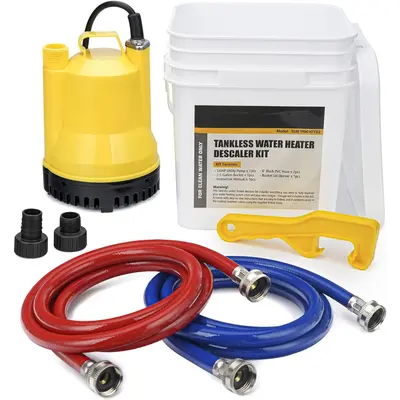
Check if the pump is compatible with your heater model. Some heaters need special pumps. Always read the heater manual for pump size advice. Using the right pump saves time and protects your system.
Types Of Flush Pumps
Manual pumps need physical effort to move water through the heater. They are simple and cost less. Good for small jobs or places without electricity.
Electric pumps run on power and work faster. They save time and need less work from you. Best for bigger or frequent flushes.
Portable pumps are easy to carry. You can use them in different spots. Great for jobs at different locations or tight spaces.
Stationary pumps stay in one place. They are bigger and usually stronger. Ideal for regular use in one spot, like a workshop.

Credit: cgnet.com
Calculating Pump Capacity
To calculate the pump capacity, first find the gallons per minute (GPM) needed. This depends on the tankless water heater’s flow rate. Most heaters need a pump that can handle at least the same GPM as the heater’s maximum flow.
Check the heater’s manual or label for its GPM rating. Choose a pump that matches or slightly exceeds this number. A pump that is too small will not clean the heater well. A pump that is too large may waste energy or cause damage.
| Heater Flow Rate (GPM) | Recommended Pump Size (GPM) |
|---|---|
| 1 – 2 | 2 – 3 |
| 2 – 4 | 4 – 5 |
| 4 – 6 | 6 – 7 |
| 6+ | 8 or more |
Efficiency Tips For Flushing
Choosing the right pump size is key for flushing your tankless water heater. A pump that is too small will take too long to flush. A pump that is too large can cause damage to the heater’s internal parts. Aim for a pump with a flow rate close to 1 to 2 gallons per minute (GPM). This size helps remove scale and debris without risking harm.
Operate the pump steadily. Avoid running it too fast or stopping often. Sudden changes can reduce flushing efficiency. Let the pump run long enough to clear all deposits. Usually, 30 to 45 minutes is enough.
Common mistakes include using the wrong pump size and flushing too quickly. Also, never skip the step to disconnect power before flushing. This prevents accidents and protects your heater. Always follow the manufacturer’s instructions for best results.
Maintenance And Care For Flush Pumps
Clean the pump after every use to avoid dirt build-up. Use fresh water to flush out old water and debris. Dry the pump completely before storing it.
Store the pump in a cool, dry place. Keep it away from direct sunlight or freezing temperatures. This helps protect the pump parts and keeps it working well.
If the pump stops working, check the power source first. Make sure the cord is plugged in and not damaged. Look for clogs in the hose or pump filter.
Listen for strange sounds or vibrations during use. These signs may mean the pump needs cleaning or repair. Replace worn parts quickly to avoid bigger problems.
Cost And Budget Considerations
Price ranges for flush pumps vary based on size and brand. Small pumps cost around $50 to $100. Medium pumps usually range from $100 to $200. Larger, heavy-duty pumps can cost $200 or more. Choosing the right size avoids spending too much or too little.
Using the proper pump size saves money over time. A pump that is too small may not clean well, causing damage. Too large a pump wastes energy and raises bills. The right size keeps your heater running smoothly and lasts longer.
Credit: everestkitchennc.com

Credit: www.amazon.com
Frequently Asked Questions
What Size Flush Pump Is Best For Tankless Water Heaters?
A 1/4 to 1/2 horsepower flush pump is ideal for tankless water heaters. It provides sufficient flow to clean mineral buildup without damaging components. This size balances power and control during descaling processes.
How Does Pump Size Affect Tankless Water Heater Flushing?
Pump size impacts flow rate and cleaning efficiency. A properly sized pump ensures thorough flushing and prevents damage. Oversized pumps may cause leaks, while undersized ones won’t remove deposits effectively.
Can I Use A Standard Pump For Tankless Water Heater Flushing?
Standard pumps may not suit tankless heaters due to flow rate requirements. A dedicated flush pump with adjustable flow is preferred. This ensures safe and effective descaling without risking internal damage.
Why Is Choosing The Right Flush Pump Size Important?
Correct pump size optimizes cleaning while protecting the heater. It prevents excessive pressure that can cause leaks or damage. Proper sizing ensures longer heater lifespan and consistent hot water performance.
Conclusion
Choosing the right flush pump size helps keep your tankless water heater working well. A pump that fits your system cleans it efficiently and saves time. Small pumps may not flush properly, while too big pumps waste energy. Check your heater’s needs before buying a pump.
Proper flushing keeps water clean and prevents damage. Regular care extends your heater’s life and keeps hot water flowing. Simple steps make a big difference. Keep your system healthy with the right pump size.