
If you have a tankless water heater, you know how important it is to keep it running smoothly. But did you know that Tankless Water Heater Isolation Valves can make maintenance and repairs much easier for you?
These small but powerful valves let you work on your heater without shutting off water to your entire home. Imagine saving time, avoiding mess, and protecting your system from damage—all with a simple upgrade. Keep reading to discover how these valves can make your life easier and extend the life of your water heater.
Page Contents
Benefits Of Isolation Valves
Isolation valves play an important role in tankless water heater systems. They help control water flow and allow easier management of the unit. These valves bring several benefits that make owning and maintaining a tankless water heater simpler and safer.
Improved Maintenance Access
Isolation valves allow quick access to the water heater for maintenance. You can shut off water flow to the heater without stopping water supply to the entire house. This makes cleaning and servicing the heater easier and faster.
Reduced Downtime
With isolation valves, repairs or replacements cause less disruption. You avoid shutting off water for long periods. This means less waiting and fewer interruptions to daily routines.
Leak Prevention
Isolation valves help prevent leaks by controlling water pressure. You can close valves to stop leaks from spreading. This protects your home from water damage and costly repairs.
Types Of Isolation Valves
Isolation valves are vital for tankless water heaters. They let you stop water flow during repairs or maintenance. Choosing the right valve type helps protect your system. It also makes work easier and faster.
Several types of isolation valves exist. Each type has unique features. Knowing these helps in picking the best valve for your needs.
Ball Valves
Ball valves use a round ball to control water flow. Turning the handle 90 degrees opens or closes the valve. They offer quick and reliable shut-off. Ball valves last long and need little maintenance. Their tight seal prevents leaks effectively.
Gate Valves
Gate valves work by lifting a gate to allow water through. They open and close slowly, not for quick shut-off. Gate valves are good for full flow or complete stop. They have low pressure loss when open. These valves suit systems where flow control is less frequent.
Globe Valves
Globe valves control water by moving a plug inside the valve body. They provide precise flow control and shut-off. These valves are slower to operate compared to ball valves. Globe valves handle changes in water pressure well. They are often used where flow adjustments are needed.
Choosing The Right Valve
Choosing the right isolation valve for your tankless water heater is important for safety and performance. The valve controls water flow and helps during maintenance. Picking the correct valve ensures your system works well and lasts longer. This guide explains key points to consider before buying.
Material Considerations
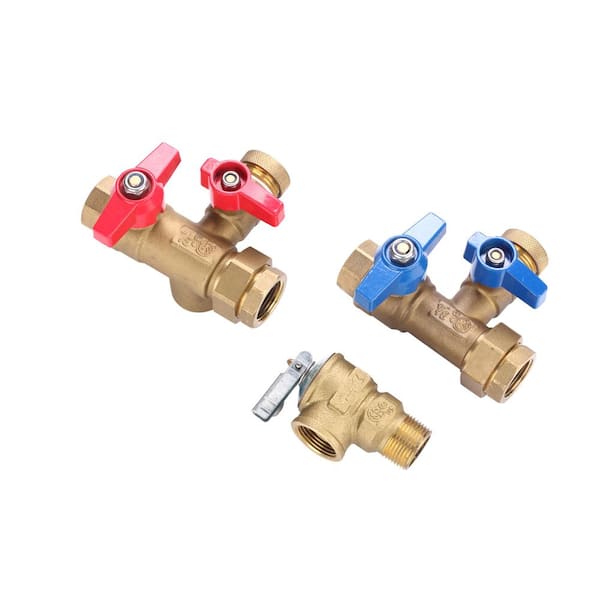
Valves come in different materials such as brass, stainless steel, and plastic. Brass valves resist corrosion and last long. Stainless steel valves handle high temperatures better. Plastic valves are cheaper but may wear out faster. Choose a material that fits your water quality and heater type.
Size And Compatibility
The valve size must match your water heater pipes. Common sizes are ½ inch and ¾ inch. Check the pipe diameter before buying. Wrong size causes leaks or poor flow. Also, make sure the valve fits your heater’s connection type. Threaded or compression fittings are common options.
Pressure Ratings
Every valve has a maximum pressure limit. This rating must meet or exceed your home’s water pressure. Typical home water pressure is 40 to 80 psi. Using a valve with low pressure rating can cause failure. Always select valves that handle high pressure safely.
Credit: www.homedepot.com
Installation Tips
Installing isolation valves for a tankless water heater helps in easy maintenance. It also prevents water flow during repairs or replacements. Following correct steps ensures the system works well and lasts longer.
Proper Positioning
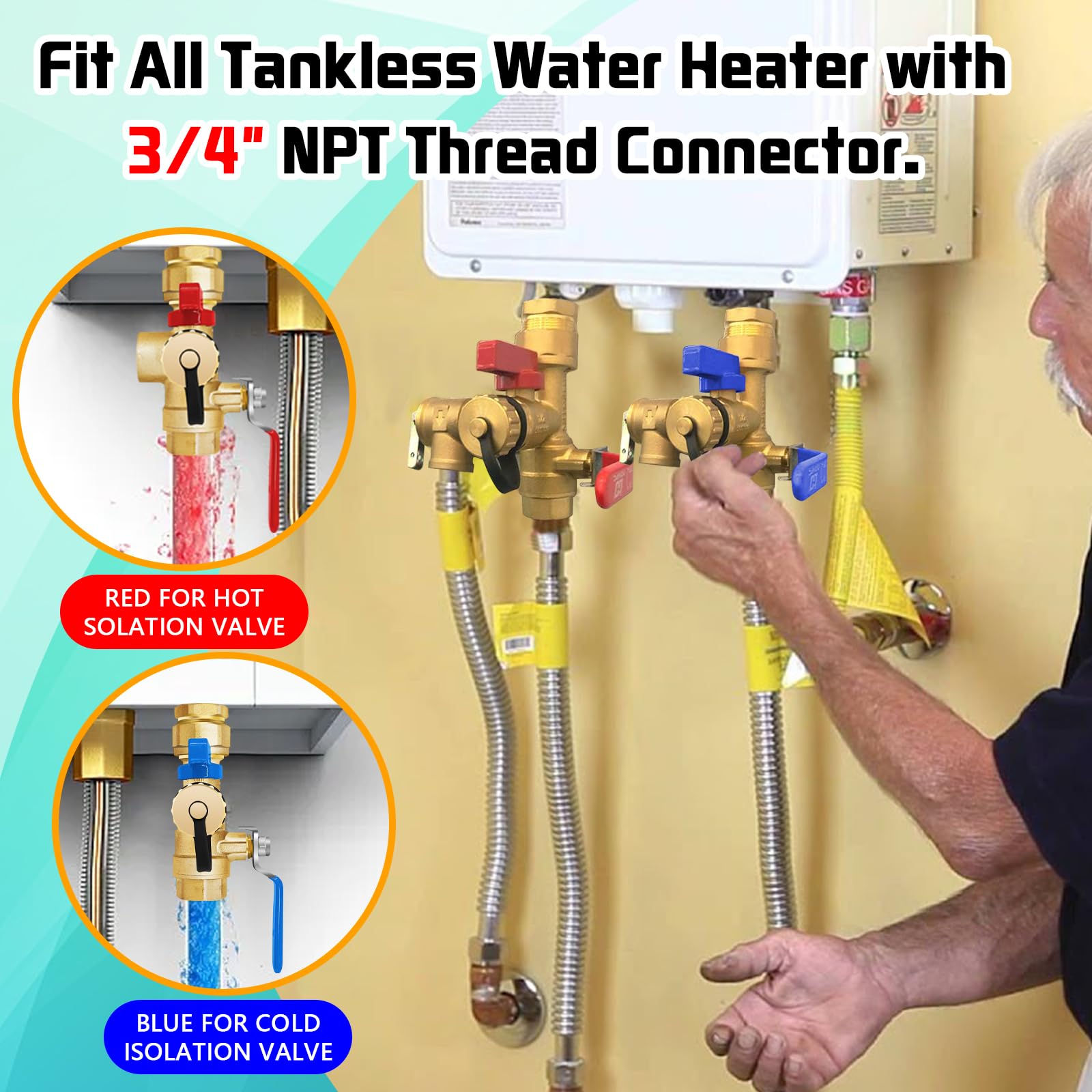
Place the isolation valves close to the heater. This makes it simple to shut off water fast. Install valves on both hot and cold water lines. Keep valves accessible for quick use.
Sealing Techniques
Use plumber’s tape on valve threads before installation. This prevents water leaks and keeps connections tight. Apply tape evenly and wrap several times around threads. Tighten valves carefully to avoid damage.
Avoiding Common Mistakes
Do not overtighten valves; it can cause cracks. Avoid placing valves too far from the heater. Check valve orientation matches water flow direction. Test for leaks after installation to ensure safety.
Maintenance Best Practices
Proper maintenance of tankless water heater isolation valves ensures smooth operation. Regular care helps avoid leaks and costly repairs. Follow these best practices to keep your system reliable and efficient.
Regular Testing
Test isolation valves at least twice a year. Turn them off and on slowly to check for smooth operation. This prevents valves from sticking or seizing up over time. Early testing helps find issues before they grow.
Cleaning Procedures
Clean valves gently to remove dirt and debris. Use a soft cloth and mild detergent. Avoid harsh chemicals that can damage valve parts. Cleaning keeps valves working well and extends their life.
When To Replace Valves
Replace valves if they leak or fail to open fully. Also, change valves showing rust or corrosion. Timely replacement avoids water damage and maintains system safety. Check valves yearly for signs of wear.
Credit: www.e-tankless.com
Troubleshooting Valve Issues
Troubleshooting valve issues is key to keeping a tankless water heater running well. Valves control water flow and isolate the heater for maintenance or repairs. Problems with these valves can cause leaks, block water flow, or damage the system.
Knowing how to spot and fix common valve problems saves time and money. This guide helps identify leaks, manage stiff valves, and handle corrosion. Each step is clear and easy to follow.
Identifying Leaks
Leaks around isolation valves often appear as water drops or wet spots. Check valve joints and connections for moisture. Tighten any loose fittings carefully. Replace worn washers or seals if leaks continue. Early leak detection prevents bigger water damage.
Dealing With Stiff Valves
Valves that are hard to turn can stop water flow. Dirt, mineral buildup, or rust may cause stiffness. Spray a small amount of lubricant on the valve stem. Move the valve handle gently back and forth to loosen it. Avoid forcing the valve to prevent damage.
Addressing Corrosion
Corrosion weakens valve parts and causes leaks. Inspect valves regularly for rust or discoloration. Clean light corrosion with a wire brush and apply rust inhibitor. Replace severely corroded valves to ensure safe operation. Proper maintenance extends valve life and prevents failures.
Credit: www.spec-school.org
Frequently Asked Questions
What Are Tankless Water Heater Isolation Valves?
Tankless water heater isolation valves allow easy shutoff of water flow. They enable maintenance without draining the entire system. These valves prevent water damage and simplify repairs, improving safety and convenience for homeowners.
Why Install Isolation Valves On Tankless Heaters?
Isolation valves facilitate quick maintenance and reduce downtime. They protect your heater by enabling easy water shutoff during repairs. This saves time, lowers repair costs, and extends the water heater’s lifespan by preventing unnecessary wear.
How Do Isolation Valves Improve Tankless Water Heater Maintenance?
Isolation valves allow individual water lines to be closed. This prevents draining the full system during servicing. Maintenance becomes faster, cleaner, and safer, reducing the risk of leaks or water damage in your home.
Can Isolation Valves Prevent Water Damage?
Yes, isolation valves help prevent water damage by quickly stopping water flow. They isolate the tankless heater during leaks or repairs, minimizing water exposure and protecting your property from flooding or structural harm.
Conclusion
Tankless water heater isolation valves help keep your system safe and working well. They make repairs and maintenance easier and faster. You can save time and avoid water damage with these valves. Installing them is a smart choice for any tankless water heater owner.
Simple steps can protect your home and extend your heater’s life. Don’t overlook this small part that brings big benefits. Easy to use and effective—these valves improve your water heater’s performance every day.