
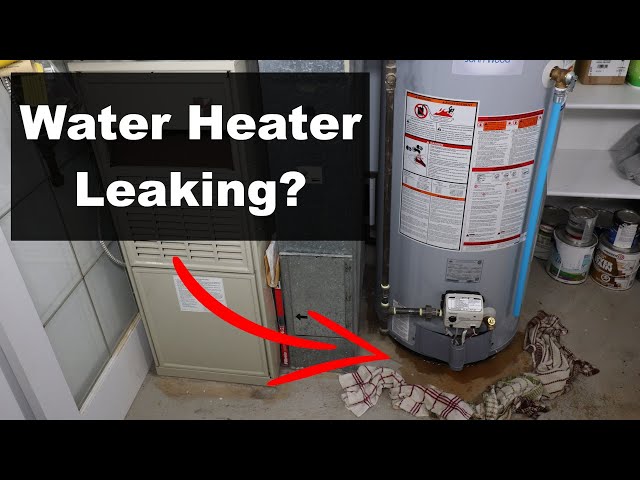
Is your tankless water heater leaking from the bottom? This can be alarming and confusing, especially if you rely on your heater every day.
You might be wondering what’s causing the leak and if it means a costly repair or replacement. Don’t worry—understanding why this happens and what you can do about it is easier than you think. Keep reading to learn the key signs to watch for, the common reasons behind leaks, and simple steps you can take to protect your home and your wallet.
Your peace of mind starts here.
Credit: www.youtube.com
Page Contents
Common Causes Of Bottom Leaks
Leaks at the bottom of a tankless water heater cause frustration and damage. Understanding the common causes helps in fixing the problem fast. Several parts can lead to leaks due to wear or damage. Knowing these parts can save money and avoid bigger repairs.
Below are some typical reasons for bottom leaks in tankless water heaters.
Loose Drain Valve
The drain valve allows water to exit the heater during maintenance. Over time, it can become loose or cracked. This loosening causes water to drip from the bottom. Tightening or replacing the valve often stops the leak quickly.
Corroded Heat Exchanger
The heat exchanger transfers heat to the water inside. It can corrode due to mineral buildup or age. Corrosion weakens the metal and creates holes. Water then leaks from these holes at the bottom of the unit.
Faulty Pressure Relief Valve
This valve releases extra pressure to keep the heater safe. If the valve fails, it may drip water constantly. Leaks here usually appear near the bottom. Checking and replacing the valve solves the issue.
Condensation Issues
Condensation forms when warm air hits cold surfaces. Inside the heater, this moisture can collect and drip down. This dripping looks like a leak but is normal in some cases. Proper ventilation reduces excessive condensation.
Diagnosing The Leak Source
Finding the source of a leak in a tankless water heater is key to fixing it fast. Leaks at the bottom can come from several places. Careful diagnosis helps avoid extra damage and costly repairs. Follow clear steps to spot where water escapes.
Visual Inspection Steps
First, turn off the water heater and power. Look closely at the unit’s base. Check for water puddles or damp spots. Notice any rust or corrosion. These signs show where the leak may start. Use a flashlight to see dark corners and pipes. Look for cracks or loose parts. This simple check often reveals the leak source.
Using A Leak Detection Tool
Leak detection tools make finding water easier. Use moisture meters to measure wetness around the heater. Thermal cameras show cold or wet areas not visible to the eye. These tools pinpoint small leaks fast. They save time and catch hidden problems. Rent or buy tools for precise checking.
Checking Water Connections
Water connections often cause leaks at the bottom. Inspect all pipes entering and leaving the heater. Tighten loose fittings with a wrench. Look for worn washers or cracked seals. Replace damaged parts to stop leaks. Also, check valves for drips or corrosion. Proper connections keep the heater leak-free.
Quick Fixes For Minor Leaks
Minor leaks in a tankless water heater often come from small, fixable problems. These quick fixes save time and prevent bigger damage. You can handle some repairs yourself with basic tools.
Start by checking common parts that may be loose or worn out. Tightening or replacing these parts often stops the leak fast. Clean any clogged valves to keep your heater working well.
Tightening Loose Parts
Loose bolts or fittings cause many small leaks. Use a wrench to gently tighten all visible connections. Avoid over-tightening, which can break parts. Check pipes and screws near the leak area. Tightening these parts often stops water from dripping.
Replacing Drain Valve Washer
The drain valve washer wears out over time. This causes water to leak from the bottom. Turn off the water supply first. Remove the drain valve and take out the old washer. Replace it with a new washer of the same size. Screw the valve back tightly to stop leaks.
Cleaning The Pressure Relief Valve
The pressure relief valve can get clogged with minerals and dirt. This stops it from sealing properly, causing leaks. Turn off the heater and water supply. Remove the valve and rinse it under clean water. Use a soft brush to clear any buildup. Reinstall the valve and check if the leak stops.
Credit: materiaiscastanheira.com.br
When To Call A Professional
Not all leaks from the bottom of a tankless water heater are simple to fix. Some problems need quick, expert help to stop damage and keep your home safe. Knowing when to call a professional can save time and money. It also prevents small issues from turning into bigger repairs.
Signs Of Major Damage
Look for rust or corrosion around the leak. Water pooling under the heater is a bad sign. Strange noises or a drop in water pressure can mean serious trouble. Cracks or visible wear around pipes show damage beyond simple fixes. These signs need a pro’s eye and skill.
Safety Concerns
Water and electricity near each other can be dangerous. A leaking heater may cause electric shocks or fires. Gas-powered units leaking water risk gas leaks. Professionals know how to handle these dangers safely. Avoid touching or trying to fix leaks near electrical parts.
Warranty Considerations
Many tankless water heaters have warranties that require professional repairs. DIY fixes can void your warranty, costing more later. Certified technicians use approved parts and follow manufacturer rules. Calling a pro keeps your warranty valid and protects your investment.
Preventing Future Leaks
Preventing future leaks in tankless water heaters starts with care and attention. Small steps help keep your unit safe and working well. Avoid costly repairs by acting early and following simple guidelines. This section shares key tips to protect your heater from leaking at the bottom.
Regular Maintenance Tips
Check your water heater at least once a year. Clean filters and remove debris. Flush the system to clear mineral build-up. Inspect all parts for cracks or wear. Replace worn parts before leaks begin. Keep a maintenance log to track service dates.
Water Quality Management
Test your water for hardness and minerals. Hard water causes build-up inside the heater. Use a water softener if minerals are high. Clean the heater more often in hard water areas. Good water quality extends the life of your unit.
Proper Installation Practices
Hire a professional for installation. Follow manufacturer guidelines exactly. Use the right pipes and fittings. Ensure the unit is level and secure. Check all connections for tightness. Proper installation prevents leaks and protects your home.
Credit: compassbank.us
Frequently Asked Questions
Why Is My Tankless Water Heater Leaking From The Bottom?
A leak at the bottom usually means corrosion or a faulty drain valve. It could also be loose connections or internal damage. Inspect the heater immediately to prevent water damage and call a professional if unsure.
Can Sediment Buildup Cause Leaks In Tankless Water Heaters?
Yes, sediment buildup can cause leaks by damaging internal components. Regular flushing helps prevent sediment accumulation, prolonging the heater’s life and avoiding leaks.
How Do I Fix A Leaking Tankless Water Heater Bottom?
First, turn off power and water supply. Check and tighten connections, inspect the drain valve, and clean any sediment. If leaking continues, consult a licensed plumber to avoid further damage.
Is A Leaking Tankless Water Heater Dangerous?
Yes, leaks can cause water damage, electrical hazards, and reduce heater efficiency. Prompt repair is essential to ensure safety and avoid costly repairs.
Conclusion
A tankless water heater leaking from the bottom needs quick attention. Small leaks can cause big problems over time. Check pipes, valves, and connections for damage or wear. Regular maintenance helps prevent leaks and saves money. Ignoring leaks may lead to costly repairs or replacements.
Fixing leaks early keeps your water heater working well. Stay alert for any unusual water spots or sounds. Taking simple steps can protect your home from water damage. Keep your heater safe and enjoy hot water without worry.