
Is your tankless water heater leaking from the relief valve? This small drip can quickly turn into a big problem if you don’t act fast.
You might wonder why it’s happening and what it means for your home’s safety and comfort. Understanding the cause of this leak is the first step to fixing it and preventing costly damage. Keep reading to discover simple, effective solutions that will help you protect your water heater and keep your home running smoothly.

Credit: thewave.global
Page Contents
Common Causes Of Relief Valve Leaks
Relief valve leaks in tankless water heaters are common problems. These leaks cause water to drip or spray from the valve. Understanding the main causes can help you fix the issue quickly. Several factors can trigger leaks at the relief valve.
High Water Pressure Issues
Water pressure that is too high stresses the relief valve. The valve opens to release excess pressure. This release causes water to leak out. High pressure can come from the main water supply or a malfunctioning pressure regulator. Checking pressure levels can prevent valve leaks.
Temperature Setting Problems
Setting the water heater temperature too high can cause leaks. Hot water expands and increases pressure inside the system. The relief valve releases water to lower the pressure. Keeping the temperature at a safe level stops leaks. Most experts recommend setting it below 120°F.
Faulty Relief Valve Components
Wear and tear can damage the relief valve parts. The valve may not seal properly, causing leaks. Mineral buildup or corrosion also affects valve function. Regular inspection and replacement of faulty parts fix leaks quickly. Faulty valves often need professional repair or replacement.
Thermal Expansion Effects
Thermal expansion occurs when water heats and expands. This extra volume raises pressure inside the tankless heater. Without an expansion tank, the relief valve releases water to reduce pressure. Installing an expansion tank helps control pressure and stop leaks. It is a common solution for thermal expansion problems.
Signs Of A Leaking Relief Valve
Detecting a leaking relief valve on a tankless water heater early can save you from costly repairs. The relief valve controls pressure and temperature inside the heater. Signs of a leak show that the valve may not be working properly. Noticing these signs helps prevent water damage and keeps your heater safe.
Watch closely for water and pressure clues around your heater. These hints tell you if the relief valve needs attention or replacement.
Visible Water Drips
Small water drops or steady dripping from the relief valve is a clear sign of a leak. This drip can happen at the valve itself or from the pipe connected to it. Even a slow drip means the valve is releasing pressure. Do not ignore this, as it may get worse over time.
Water Around The Heater Base
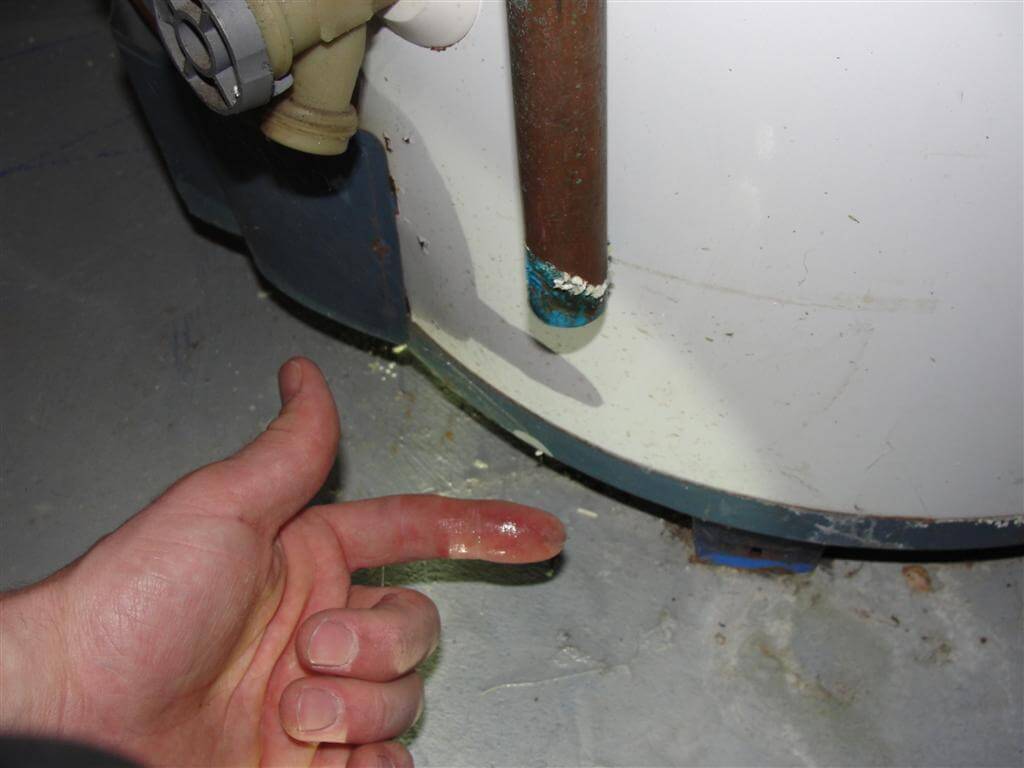
Water pooling at the base of the tankless heater often indicates a leaking relief valve. The valve releases water to lower pressure, and this water collects below. Check the floor or platform under the heater regularly. Any wetness or puddles should raise concern.
Pressure Build-up Indicators
A faulty relief valve may cause unusual pressure inside the heater. You might hear strange noises like banging or hissing sounds. The water temperature may rise too high or fluctuate. These signs show the valve cannot release pressure properly, which can be dangerous.
Troubleshooting Steps
Tankless water heater leaks from the relief valve can cause water damage and waste energy. Finding the cause fast helps avoid bigger problems. Follow these clear steps to check the main parts that may cause leaks. These steps guide you to identify the issue and decide if you need a repair or replacement.
Checking Water Pressure Levels
High water pressure often triggers the relief valve to leak. Use a pressure gauge to measure your home’s water pressure. The ideal pressure is usually between 40 and 60 psi. Pressure above 80 psi can cause valve leaks. Lower the pressure by adjusting your pressure regulator or calling a plumber.
Inspecting The Relief Valve
Look closely at the relief valve for damage or dirt. A stuck valve may leak water constantly. Clean the valve by lifting the test lever gently to clear debris. Replace the valve if it looks corroded or broken. Proper valve function is vital for safety and leak prevention.
Testing Temperature Settings
High water temperature causes excessive pressure and leaks. Check your water heater’s temperature setting. Keep it below 120°F (49°C) to reduce pressure buildup. Lower the temperature using the heater’s control panel. Correct settings help stop leaks and save energy.
Examining Expansion Tank Functionality
The expansion tank absorbs extra water pressure from heating. A faulty or empty expansion tank can cause relief valve leaks. Tap the tank; it should sound hollow if it has air inside. Check the air charge with a pressure gauge. Replace or recharge the tank if needed to maintain pressure balance.
Credit: www.reddit.com
Repair And Replacement Options
Dealing with a leaking relief valve on a tankless water heater requires quick action. Ignoring the problem can cause water damage and reduce heater efficiency. Repair and replacement options help fix leaks and protect your home. Understanding these options can save money and extend the heater’s life.
Replacing The Relief Valve
The relief valve controls pressure and prevents damage. Over time, it can wear out or get stuck. Replacing it is often the best solution for leaks. Turn off the water and power supply first. Remove the old valve carefully. Install a new valve that matches your heater model. Tighten all connections to stop leaks. Test the valve after replacement to ensure it works well.
Adjusting Pressure And Temperature
High water pressure or temperature can cause the relief valve to leak. Check the pressure using a pressure gauge. The ideal pressure is usually below 80 psi. Lower the pressure if it is too high. Set the temperature below 120°F to prevent overheating. Adjust the thermostat on the heater carefully. Proper settings reduce stress on the valve and stop leaks.
Installing An Expansion Tank
An expansion tank absorbs extra water pressure. It connects to the water line near the heater. This tank helps keep pressure steady. Adding one can stop the relief valve from leaking. Choose the right size for your system. Install it following manufacturer instructions. This simple addition protects the heater and plumbing from pressure damage.
Preventive Measures
Preventing leaks from the relief valve on a tankless water heater helps avoid costly repairs and water damage. Taking simple steps regularly keeps the system safe and efficient. Small efforts now save big problems later.
Regular Maintenance Routines
Check the relief valve every few months for any signs of wear or leaks. Flush the system to remove mineral buildup that can block the valve. Clean filters and vents to keep water flowing smoothly. Replace worn parts quickly to avoid valve failure.
Monitoring System Pressure
Watch the water pressure closely. High pressure can cause the relief valve to leak. Use a pressure gauge to check it regularly. Keep pressure within the recommended range. Adjust the pressure valve if needed to prevent stress on the system.
Professional Inspection Tips
Hire a licensed plumber for annual inspections. Experts spot hidden issues early. They test the relief valve and overall system safety. Ask about valve replacement if it shows signs of damage. A professional check ensures long-term protection.
Credit: www.ooeygooey.com
Frequently Asked Questions
Why Is My Tankless Water Heater Leaking From Relief Valve?
A leaking relief valve often means excess pressure or temperature in the system. It protects your heater from damage by releasing water. Check for a faulty valve, high pressure, or temperature issues causing the leak.
How Can I Fix A Leaking Relief Valve On Water Heater?
First, turn off the heater and water supply. Then, inspect the valve for debris or damage. Replace the valve if faulty. Also, check for high pressure or temperature causing the leak and adjust accordingly.
Is It Normal For A Tankless Water Heater To Leak From Relief Valve?
A small drip may happen due to pressure fluctuations but continuous leaking is not normal. It indicates a problem with pressure, temperature, or valve condition. Prompt inspection and repair are necessary to avoid damage.
What Causes Relief Valve To Leak On Tankless Water Heaters?
Common causes include high water pressure, excessive temperature, or a defective valve. Sediment buildup or corrosion can also damage the valve, leading to leaks. Regular maintenance helps prevent these issues.
Conclusion
A leaking relief valve on a tankless water heater needs quick attention. Ignoring the leak can cause bigger problems and higher costs. Check the valve regularly to keep your heater working well. Simple fixes often stop the leak and save money.
Trust a professional if the problem continues or you feel unsure. Stay safe and enjoy hot water without worry. Taking care of your water heater helps your home run smoothly.