
Is your tankless water heater leaking from the top? This can be a frustrating and worrying problem, especially when you rely on it daily for hot water.
You might wonder if it’s something you can fix yourself or if it means a costly repair. Understanding why your water heater is leaking and what steps to take next can save you time, money, and stress. Keep reading to find out the common causes and simple solutions to stop that leak before it gets worse.
Credit: mmguide.nl
Page Contents
Common Leak Causes
Leaks from the top of a tankless water heater happen for a few common reasons. Knowing these causes helps you fix the problem fast. It also prevents bigger damage to your heater and home.
Leaks often start with small issues. These issues grow over time and cause water to drip or spray out. Spotting the cause early saves time and money.
Loose Connections
Loose connections between pipes and the heater cause leaks. Water pressure pushes water through gaps. Tightening fittings can stop the leak quickly. Check all connections regularly.
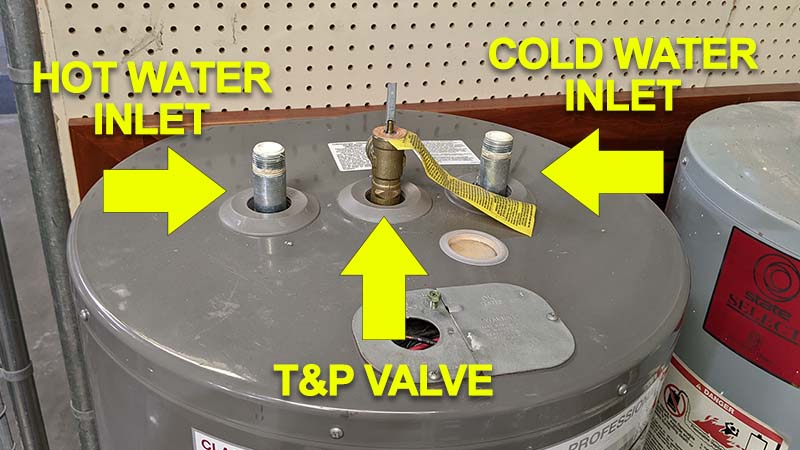
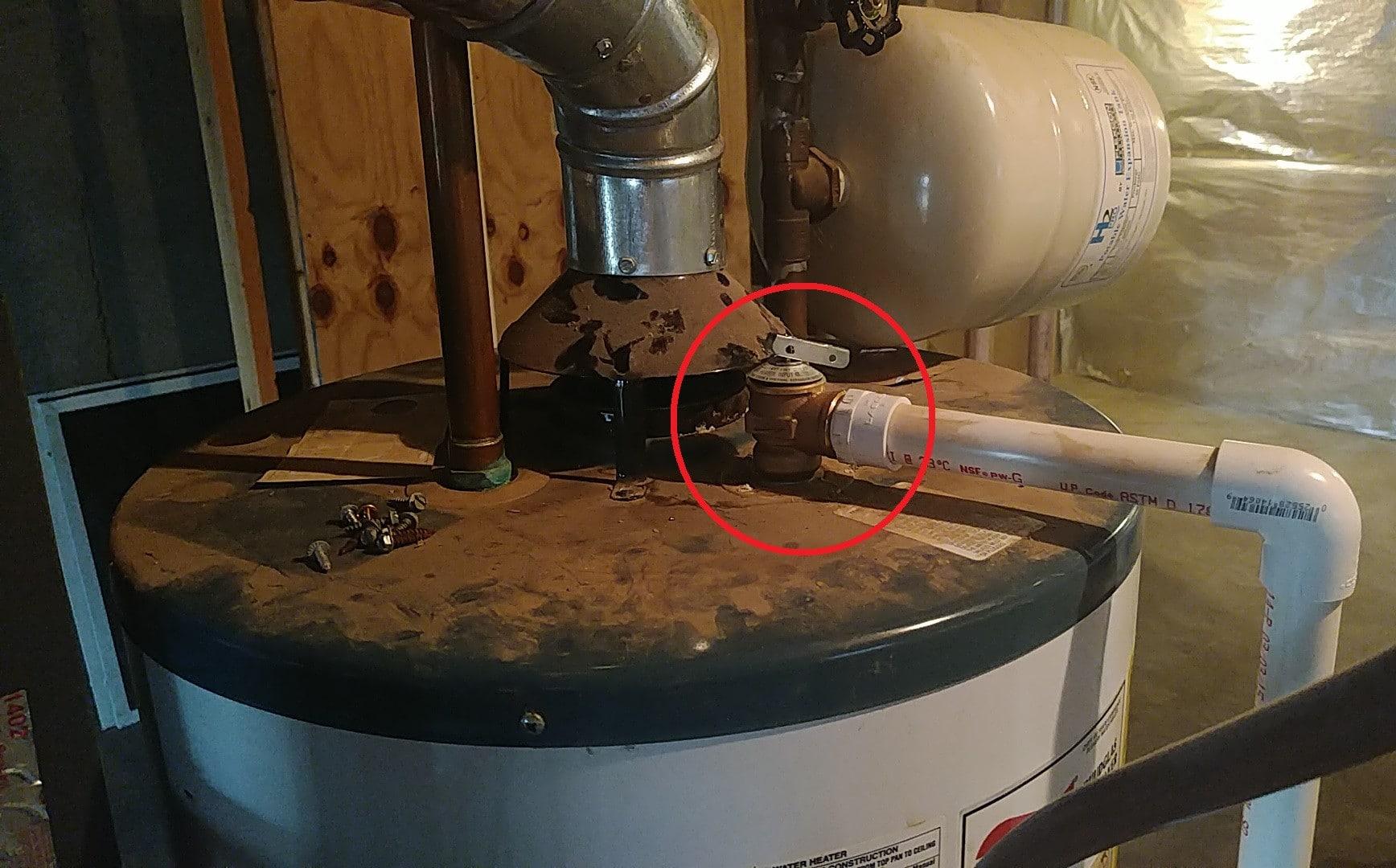
Faulty Pressure Relief Valve
The pressure relief valve prevents too much pressure inside the heater. If it breaks or gets stuck, water leaks from the top. Replacing a faulty valve is important for safety and proper function.
Damaged Heat Exchanger
The heat exchanger heats the water inside the unit. Cracks or damage here cause leaks and reduce heating power. A damaged heat exchanger needs repair or replacement to stop leaks.
Corroded Pipes
Corrosion eats away at pipes and fittings. Rust weakens metal and creates holes. Water leaks through corroded spots. Replacing old pipes stops leaks and prevents future problems.
Credit: www.joewesterlund.com
Immediate Steps To Take
Finding your tankless water heater leaking from the top can be stressful. Acting quickly helps prevent water damage and bigger problems. Follow these steps to control the leak safely and protect your home.
Shut Off Water Supply
Stop the water flow to the heater right away. Locate the main water valve near the unit. Turn the valve clockwise to close it. This step stops more water from leaking out. It helps avoid flooding and water damage inside your home.
Turn Off Power Source
Next, cut off the power to the heater. For electric heaters, switch off the circuit breaker. For gas models, turn off the gas supply valve. This step prevents electrical hazards or gas leaks. It also stops the heater from running while it leaks.
Drain The Unit
Draining the heater removes water inside the system. Connect a hose to the drain valve at the bottom. Open the valve to let water flow out safely. This reduces pressure inside the heater. It also helps avoid more leaks or damage.
Quick Fix Techniques
Tankless water heaters can sometimes leak from the top. Quick fixes help stop leaks fast. These simple steps save time and avoid big repairs. Below are easy ways to fix common causes of leaks.
Tightening Loose Fittings
Loose fittings often cause leaks at the top of the heater. Use a wrench to gently tighten all visible fittings. Do not overtighten to avoid damage. Check the area again for dripping after tightening. Repeat if needed until the leak stops.
Replacing Pressure Valve
The pressure valve can wear out and cause leaks. Turn off the water supply first. Remove the old valve using a wrench. Buy a new valve that matches the model. Install the new valve tightly and test for leaks. This often solves pressure-related drips quickly.
Sealing Small Cracks
Small cracks or gaps can let water escape at the top. Use waterproof sealant or plumber’s tape to cover cracks. Clean the area before applying sealant. Let it dry completely before turning the heater back on. This prevents minor leaks from getting worse.
When To Call A Professional
Knowing when to call a professional for a tankless water heater leaking from the top can save you time and money. Some leaks are easy to fix, but others need expert care. Ignoring serious issues can cause bigger problems and higher repair costs.
Persistent Leaks
Leaks that do not stop after simple checks need professional help. Persistent leaks may mean worn parts or hidden damage. A technician can find the exact cause and fix it safely.
Complex Repairs
Complex repairs require special tools and knowledge. Problems like broken valves or internal damage are not easy to fix alone. Professionals have training to handle these issues without causing more damage.
Warranty Considerations
Many tankless water heaters come with a warranty. Doing repairs yourself can void this warranty. Calling a professional ensures the warranty stays valid and you get proper service.
Preventive Care Tips
Preventing leaks in a tankless water heater starts with good care. Small problems can grow into big leaks. Following simple steps keeps your heater working well. These tips help avoid leaks from the top part of the unit. Regular checks and care save money and time.
Regular Maintenance Schedule
Set a routine to check your water heater. Clean the unit every six months. Flush the system to remove buildup. Tighten any loose parts. Schedule professional inspections yearly. Regular care stops small issues from turning into leaks.
Water Quality Management
Hard water causes mineral buildup inside the heater. Use a water softener to reduce minerals. Test water quality often. Clean filters to keep water clean. Good water quality helps prevent corrosion and leaks.
Inspecting Components
Look closely at pipes and connections. Check for cracks or rust on fittings. Replace worn-out seals and gaskets. Watch for signs of moisture or drips near the top. Early detection helps fix leaks before they worsen.
Choosing The Right Replacement Parts
Choosing the right replacement parts for a tankless water heater leaking from the top is critical. Using the correct components ensures the heater runs safely and efficiently. Poor choices can cause more leaks or damage the system further.
Replacement parts must fit perfectly and work well with your specific model. Quality matters to avoid frequent repairs. Selecting durable and reliable parts saves money and time.
Compatible Valves And Fittings
Valves and fittings control water flow and pressure inside the heater. Choose parts designed for your model’s size and type. Using incompatible valves can cause leaks or blockages. Brass or stainless steel fittings resist corrosion better than cheaper metals.
Quality Heat Exchangers
The heat exchanger heats water inside the unit. A damaged or low-quality exchanger lowers efficiency and causes leaks. Pick heat exchangers made from stainless steel or copper for durability. These materials handle heat and water pressure well over time.
Reliable Sealing Materials
Seals stop water from escaping at joints and connections. Use sealing materials that resist heat and water pressure. High-quality rubber gaskets or silicone seals provide tight, long-lasting protection. Avoid cheap seals that crack or wear quickly.

Credit: www.youtube.com
Frequently Asked Questions
Why Is My Tankless Water Heater Leaking From The Top?
A leak from the top often indicates a loose or damaged pipe connection. It may also result from condensation or a faulty pressure relief valve.
Can Mineral Buildup Cause Top Leaks In Tankless Heaters?
Yes, mineral buildup can clog pipes and valves, increasing pressure and causing leaks at the top of the unit.
How Do I Fix A Leaking Tankless Water Heater Top?
Tighten loose fittings, replace damaged parts, or call a professional plumber for a thorough inspection and repair.
Is A Leaking Tankless Water Heater Dangerous?
Yes, leaks can cause water damage and electrical hazards. Address leaks promptly to avoid costly repairs and safety risks.
Conclusion
A tankless water heater leaking from the top needs quick attention. Small leaks can lead to bigger problems fast. Check the connections and valves carefully. Sometimes, worn parts cause the leak. Fixing it early saves money and stress later. Regular maintenance helps keep your heater working well.
Don’t wait for the leak to get worse. Call a professional if unsure about repairs. A dry, safe water heater keeps your home comfortable and safe.