
Have you ever turned on your tankless water heater, only to find no water flowing? It’s frustrating, especially when you need hot water fast.
If your tankless water heater shows no water flow, it could mean a hidden problem that needs your attention. But don’t worry—understanding why this happens and how to fix it can save you time and money. Keep reading to discover the simple steps you can take to get your water flowing again and avoid future headaches.

Credit: sirelmagroup.it
Page Contents
Common Causes Of No Water Flow
Tankless water heaters may stop delivering water for several reasons. Understanding common causes helps fix the issue faster. Below are frequent problems that block water flow.
Clogged Water Filter
A clogged water filter reduces or stops water flow. Dirt and debris collect over time. Cleaning or replacing the filter restores flow quickly. Regular checks prevent this problem.
Closed Or Partially Closed Valves
Valves control water flow to the heater. Closed or partly closed valves block water. Check all valves and open them fully. This simple step often solves no water flow.
Air In The Pipes
Air trapped in pipes stops water from flowing. It causes sputtering or no water at all. Bleeding the pipes removes air pockets. This restores smooth water flow.
Frozen Water Lines
Freezing weather can freeze water lines. Frozen pipes block water completely. Thaw pipes carefully using warm towels or heat. Avoid using open flames to prevent damage.
Faulty Flow Sensor
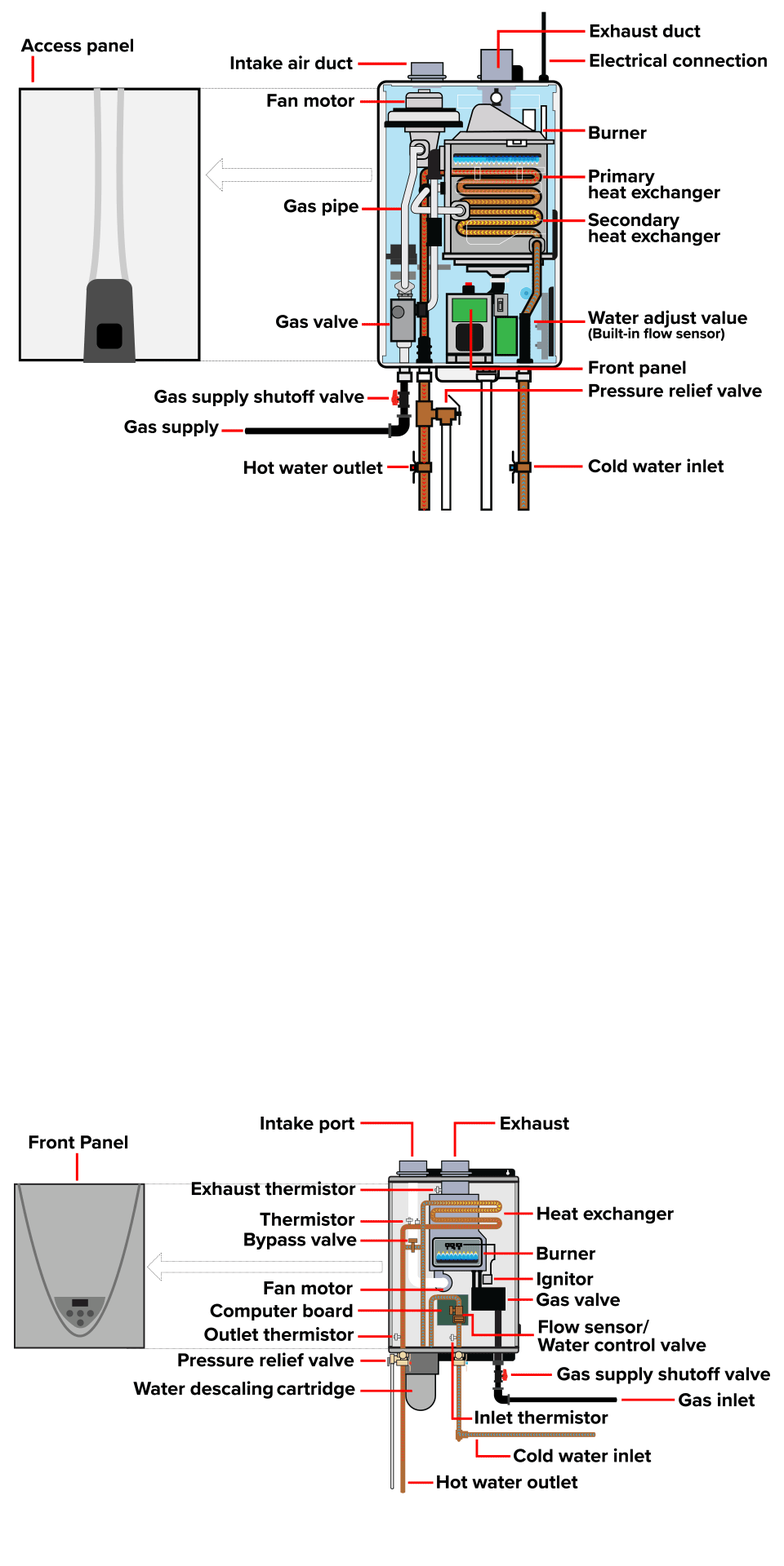
The flow sensor detects water movement inside the heater. A broken sensor stops the heater from working. Testing and replacing the sensor fixes water flow issues. Professional help may be needed.
Simple Diy Fixes
Tankless water heaters can stop working if no water flows through them. Simple steps can fix this problem quickly. These easy fixes do not need special tools or skills. Follow these steps to get your heater working again.
Checking And Cleaning The Filter
The filter can block water flow. Turn off the heater first. Open the filter cover carefully. Remove the filter and rinse it with water. Put it back after cleaning. This helps water flow smoothly.
Opening Valves Fully
Partially closed valves can stop water flow. Check all valves near the heater. Turn them fully open. This allows water to move freely through the system. Make sure nothing blocks the valves.
Bleeding Air From The System
Air trapped in pipes can block water flow. Find the bleed valve on your heater. Open it slowly to let air escape. Close the valve when water starts to flow. This clears air pockets and restores water flow.
Thawing Frozen Pipes
Cold weather can freeze pipes and stop water. Use a hairdryer or warm towel on frozen pipes. Heat them gently to melt the ice inside. Avoid open flames to prevent damage. Water will flow once pipes thaw.
Resetting The Flow Sensor
The flow sensor can get stuck or dirty. Turn off the heater and unplug it. Locate the flow sensor and clean it gently. Wait a few minutes, then reset the heater. This helps the sensor detect water flow again.
When To Call A Professional
Knowing when to call a professional for your tankless water heater saves time and avoids damage. Some problems need expert help to fix safely and correctly. This guide highlights key signs that show a professional’s touch is needed. Acting quickly can prevent costly repairs.
Persistent No Flow Issues
Sometimes, water does not flow despite basic checks. Flushing or cleaning the unit does not help. The problem repeats after every fix attempt. This signals a deeper issue beyond simple troubleshooting. Professionals have tools and knowledge to diagnose and repair these persistent problems.
Electrical Problems
Tankless heaters rely on electricity to operate. Faulty wiring or power supply issues can stop water flow. Sparks, burning smells, or tripped breakers are warning signs. Working with electricity is dangerous without training. Call a pro to inspect and repair electrical faults safely.
Internal Component Damage
Components inside the heater can wear out or break over time. Damaged sensors, valves, or heating elements cause no water flow. Such repairs need special parts and skills. Professionals can replace or fix internal parts to restore proper function. DIY attempts may worsen damage or void warranties.
Preventive Measures
Preventing water flow issues in tankless water heaters saves time and money. Simple steps keep your heater working well. Regular care stops many common problems early. Follow these preventive measures for smooth operation year-round.
Regular Maintenance Tips
Clean the water heater at least once a year. Remove minerals and debris from the system. Check the filters and replace if dirty. Inspect pipes for leaks or damage. Test the water pressure regularly. Keep the vents clear and unobstructed. Regular checks help spot issues before they grow.
Installing Water Softener
Hard water causes mineral buildup inside the heater. A water softener reduces this buildup. It protects the heating elements from damage. Soft water improves heater efficiency and lifespan. Install the softener before the heater. This step lowers maintenance needs and repairs.
Seasonal Preparations
Prepare the heater for cold weather to avoid freezing. Drain the system if unused in winter. Insulate pipes to prevent ice damage. Check the heater after storms or power outages. Seasonal care keeps the heater ready and safe. Regular prep reduces unexpected water flow problems.
Choosing The Right Tankless Water Heater
Choosing the right tankless water heater is key to avoid problems like no water flow. A suitable heater saves energy and fits well with your home’s plumbing. Understanding important factors helps pick the best model for your needs.
Flow Rate Considerations
Flow rate shows how much water the heater can supply each minute. Match the flow rate with your household’s water use. Low flow means less hot water, causing cold showers and frustration. Calculate the total gallons needed during peak times. Choose a heater with a flow rate that meets or exceeds this number.
Energy Efficiency
Energy-efficient heaters use less power and cut utility bills. Look for models with high energy factor (EF) ratings. Efficient heaters heat water quickly without wasting fuel. Saving energy helps the environment and lowers costs over time. Check for ENERGY STAR certification to find efficient options.
Compatibility With Home Plumbing
Check if the heater fits your home’s plumbing system. Some heaters need specific water pressure or pipe sizes. Old plumbing may require upgrades for the new heater. Also, consider fuel type like electric or gas. Proper compatibility avoids installation problems and ensures steady water flow.
Credit: healingwithhorsesranch.org
Credit: site2max.ru
Frequently Asked Questions
Why Is My Tankless Water Heater Showing No Water Flow?
No water flow often means a clogged filter, closed valve, or faulty flow sensor. Check and clean filters, ensure valves are open, and inspect sensors to restore flow.
How To Fix No Water Flow In A Tankless Heater?
Start by checking water supply valves and filters for blockages. Reset the unit and inspect flow sensors. Call a professional if the problem persists.
Can Sediment Cause No Water Flow In Tankless Heaters?
Yes, sediment buildup can block water flow. Regularly clean or flush the system to prevent clogs and maintain efficient water flow in your heater.
Does A Faulty Flow Sensor Stop Water Flow?
A malfunctioning flow sensor can prevent water from flowing. It detects water movement; if faulty, it may shut down the heater or stop flow.
Conclusion
A tankless water heater with no water flow needs quick attention. Check the water supply and filters first. Clean or replace clogged parts to restore flow. Sometimes, a simple reset fixes the problem. Regular maintenance helps avoid future issues. If problems continue, call a professional plumber.
Keeping your water heater in good shape saves time and money. Don’t ignore signs of trouble. Act soon for warm water when you need it most.