Are you stepping into your shower, expecting warm water, only to be met with a cold surprise? A tankless water heater not heating your shower can be frustrating and confusing.
You rely on your water heater for comfort every day, and when it doesn’t work, it disrupts your routine. But don’t worry—understanding why this happens and how to fix it is easier than you think. Keep reading, and you’ll discover simple solutions that can bring back the hot water you need, fast.
Page Contents
Common Causes
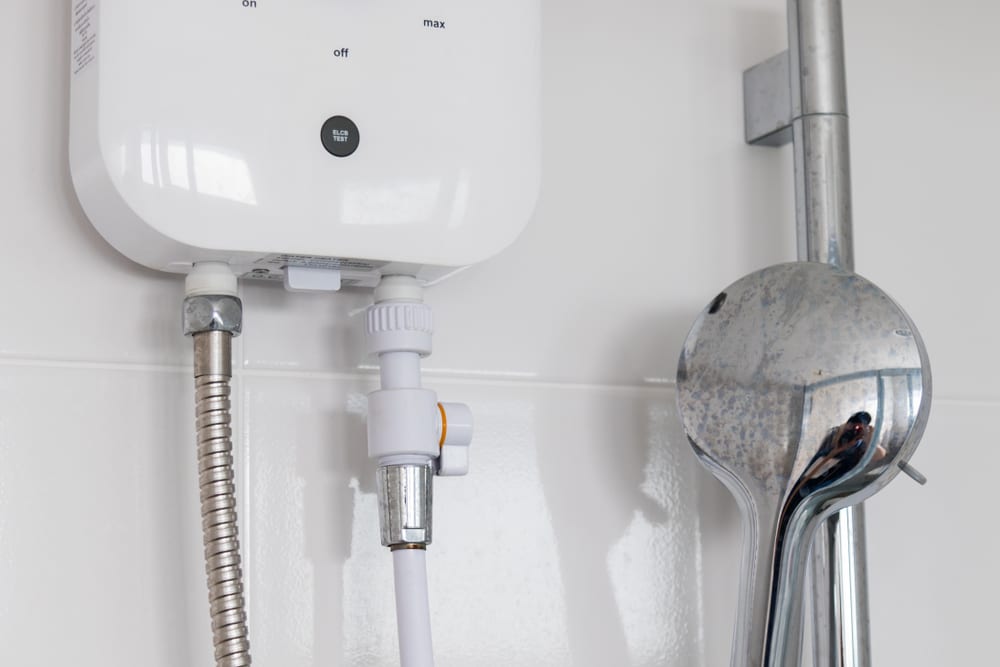
Tankless water heaters sometimes fail to heat the shower water properly. Understanding common causes helps fix the problem faster. These issues often relate to power, filters, temperature, or water flow. Checking these areas can restore hot water quickly.
Power Supply Issues
Tankless water heaters need steady power to work. A tripped breaker or blown fuse can stop the heater. Loose wiring or power outages also cause heating failure. Always check the electrical panel first.
Clogged Filters
Filters catch dirt and debris to protect the heater. Over time, they can get clogged. This blocks water flow and lowers heat output. Cleaning or replacing filters often solves this issue.
Temperature Settings
Incorrect temperature settings can cause cold showers. The heater might be set too low. Adjust the thermostat to a higher temperature. Most showers feel comfortable around 105°F to 110°F.
Flow Rate Problems
Tankless heaters need a minimum flow rate to activate. Low water flow means the heater won’t turn on. Check for clogged pipes or low water pressure. Fixing flow problems restores proper heating.
Credit: www.fenwickhomeservices.com
Diagnosing The Problem
When your tankless water heater does not heat the shower, diagnosing the problem is the first step. This process helps find the exact cause quickly. A clear diagnosis saves time and money. It also prevents unnecessary repairs or replacements.
Start with simple checks. These can reveal common issues. Then move to more detailed tests. Each step narrows down the possible causes. Understanding the problem leads to the right solution.
Checking Power And Connections
Power supply is critical for tankless water heaters. Check if the unit is plugged in or connected properly. Look for tripped breakers or blown fuses in your electrical panel. Loose wires or damaged plugs can stop the heater from working. Ensure all connections are tight and clean. No power means no heat.
Inspecting Water Flow
Water flow affects heating performance. Low water flow can cause the heater to shut off. Check for clogged pipes or filters blocking water. Make sure the shower valve is fully open. Sometimes, mineral buildup inside the unit reduces flow. Clear any blockages to restore proper water movement.
Testing Temperature Output
Temperature output shows if the heater is working correctly. Use a thermometer to measure water temperature at the shower. If water is cold or only slightly warm, the heater may malfunction. Adjust the temperature settings on the unit. If no change occurs, the heating element might be faulty. Testing output helps decide if repair or replacement is needed.
Quick Fixes
Tankless water heaters may stop heating your shower properly. Quick fixes can solve many common problems fast. These simple steps help restore hot water without waiting for a technician. Try these easy solutions first to get your shower warm again.
Resetting The Unit
Resetting your tankless water heater can clear minor errors. Find the reset button on the unit. Press and hold it for a few seconds. Release the button and wait for the system to restart. This often fixes small glitches causing heating issues.
Cleaning Or Replacing Filters
Dirty filters block water flow and reduce heating. Check the unit’s filters for dirt or debris. Remove and clean them with water or a soft brush. Replace filters if they look worn out. Clean filters improve water flow and heat efficiency.
Adjusting Temperature Settings
Incorrect temperature settings cause water to be too cold. Check the thermostat on your tankless heater. Increase the temperature to a comfortable level. Avoid setting it too high to save energy and prevent scalding. Small adjustments can fix lukewarm showers.
Clearing Mineral Buildup
Mineral buildup blocks water flow inside the heater. This reduces heating power and water pressure. Flush the unit with a descaling solution to remove minerals. Regular cleaning stops buildup from damaging the system. Clear pipes help maintain steady hot water.

Credit: www.icecreamfactoryny.com
When To Call A Professional
Knowing when to call a professional for your tankless water heater saves time and prevents damage. Some problems look simple but need expert help. Understanding the signs helps you decide when to stop DIY fixes.
Persistent Heating Issues
Some heating problems do not go away with basic troubleshooting. If your shower water stays cold or changes temperature often, it signals a deeper issue. A pro can find hidden causes quickly. Persistent problems need careful checks and tools only experts have.
Electrical Concerns
Tankless water heaters use electricity to heat water fast. Faulty wiring or electrical parts can cause safety risks. Sparks, tripped breakers, or burning smells need immediate expert attention. Electric work requires knowledge and special equipment. Do not try to fix electrical parts yourself.
Complex Repairs
Some repairs are beyond simple fixes. Parts inside the heater can break or wear out. Replacing or fixing these parts demands skill and experience. Professionals know how to handle complex repairs safely. They ensure your water heater works well again without new problems.
Maintenance Tips
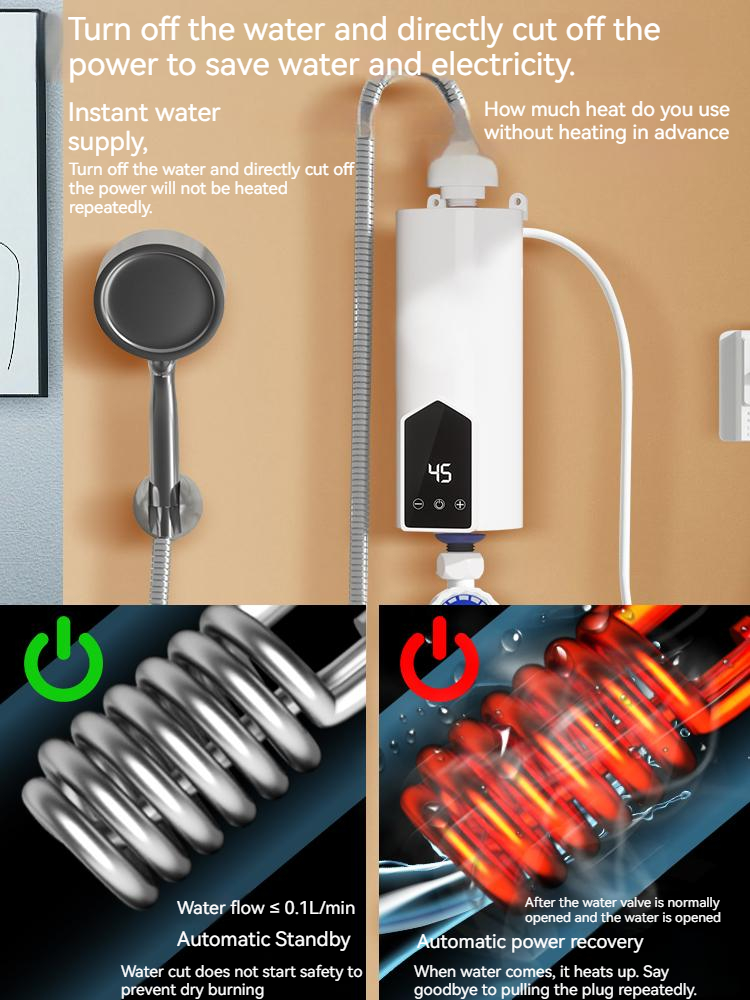
Maintaining your tankless water heater helps keep your shower hot and steady. Regular care stops common problems early. It also extends the life of the heater. Follow these simple tips to avoid heating issues and enjoy warm showers every day.
Regular Filter Cleaning
Filters catch dirt and debris before water heats. Clean them often to avoid blockages. A clogged filter lowers water flow and heat. Remove the filter and rinse it under running water. Check the manufacturer’s guide for the right cleaning steps. Clean filters keep water clean and heater working well.
Flushing The System
Minerals build up inside the heater over time. This buildup blocks heat transfer and reduces efficiency. Flush the system at least once a year to clear deposits. Use a descaling solution made for tankless heaters. Flushing protects the heating elements and improves water flow. It helps keep the water temperature steady and strong.
Monitoring Water Quality
Water quality affects your heater’s performance and lifespan. Hard water causes mineral buildup faster. Test your water for hardness and contaminants regularly. Consider installing a water softener if minerals are high. Soft water reduces scaling and protects the heater. Good water quality means fewer repairs and better heat.
Credit: www.mystrom.com
Frequently Asked Questions
Why Is My Tankless Water Heater Not Heating The Shower?
A tankless water heater might not heat the shower due to low water flow, faulty heating elements, or power issues. Check for blockages, reset the system, and verify electrical connections to resolve common problems quickly.
How To Fix A Tankless Water Heater With No Hot Water?
First, inspect the unit for error codes or reset it. Clean filters and ensure sufficient gas or power supply. If issues persist, call a professional to diagnose internal component failures or sensor problems.
Can Low Water Pressure Affect Tankless Water Heater Heating?
Yes, low water pressure can prevent a tankless heater from activating. The system requires minimum flow to start heating. Check pipes for leaks or clogs and ensure pressure meets the unit’s specifications.
Does A Tankless Water Heater Need Regular Maintenance?
Regular maintenance is essential to keep your tankless heater efficient. Flush the system annually to remove mineral buildup. Clean filters and inspect components to prevent heating failures and prolong the unit’s lifespan.
Conclusion
A tankless water heater not heating your shower can feel frustrating. Check the power supply and water flow first. Mineral build-up or a faulty thermostat may cause issues. Regular maintenance helps keep the heater working well. Small problems can turn into big ones if ignored.
Stay patient and take each step carefully. Fixing the heater yourself saves time and money. For complex issues, calling a professional is best. Warm showers are possible with the right care and attention. Keep your water heater in good shape to enjoy comfort daily.