
Choosing the right tankless water heater size for your family of 2 can save you money and avoid cold showers. You want enough hot water when you need it, without wasting energy or space.
But how do you figure out what size fits your daily needs? Keep reading, and you’ll discover simple tips to find the perfect match for your home. This way, you get comfort, efficiency, and savings all in one.
Credit: www.homedepot.com
Page Contents
Choosing The Right Tankless Water Heater
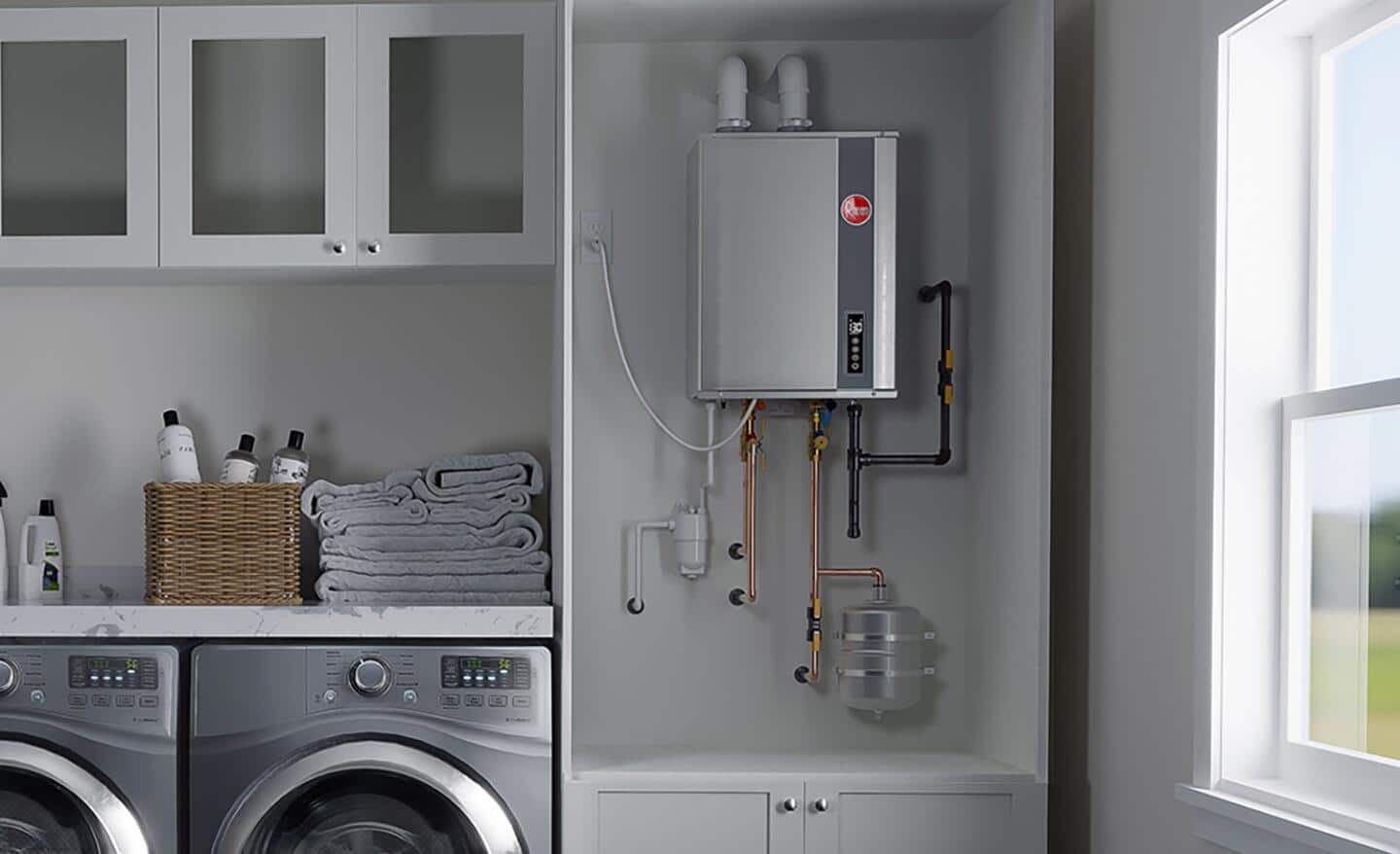
Choosing the right tankless water heater is important for a family of two. A properly sized heater saves energy and ensures enough hot water. It avoids running out of hot water during showers or dishwashing. This guide helps you find the perfect size for your needs.
Factors Affecting Size
Several factors impact the size of a tankless water heater. The number of hot water outlets in use matters. Hot water demand varies with activities like showering or washing clothes. The heater’s flow rate capacity also plays a role. Energy efficiency and climate can affect size choice too.
Flow Rate Needs For Two People
The flow rate shows how much water the heater can warm each minute. For two people, the flow rate usually ranges between 3 to 5 gallons per minute. This covers a shower and a faucet running at the same time. Knowing your peak flow rate helps pick a heater that matches your use.
Temperature Rise Requirements
Temperature rise means how much the heater must warm the water. It depends on the cold water temperature in your area. For example, if incoming water is 50°F and you want 120°F water, the rise is 70°F. Calculate this to ensure your heater delivers hot water consistently.
Calculating Hot Water Demand
Calculating hot water demand is essential for choosing the right tankless water heater size for a family of two. Knowing how much hot water your home uses helps avoid running out during showers or chores. This section breaks down how to estimate your needs clearly.
Estimating Peak Usage Times
Peak usage times are when hot water use is highest. For a family of two, this usually means mornings and evenings. Showers, dishwashing, and laundry often happen around these times. Identifying these helps decide the water heater’s flow rate needed.
Common Household Fixtures
Common fixtures that use hot water include sinks, showers, and washing machines. Each fixture has a flow rate measured in gallons per minute (GPM). Knowing these rates adds up to your total hot water demand during peak times.
Daily Hot Water Consumption
Daily consumption is the total hot water used in a day. For a family of two, this often ranges between 20 to 40 gallons. Tracking this helps pick a water heater that meets your daily needs without wasting energy.
Tankless Water Heater Types
Choosing the right tankless water heater involves knowing the different types. Each type fits different needs and home setups. Understanding these options helps pick the best size and model for a family of two.
Tankless water heaters come in various forms. Some run on gas, others on electricity. Some heat water only at one spot. Others supply the whole house. Efficiency also varies by type. Let’s explore these key differences.
Electric Vs Gas Models
Electric tankless heaters are compact and easy to install. They need less space and no venting. Gas models heat water faster and work better in cold climates. They need vent pipes and more installation work. Electric units suit small homes well. Gas units handle larger water needs efficiently.
Point-of-use Vs Whole House
Point-of-use heaters serve one faucet or shower. They save energy by heating water only where needed. Whole house models supply all taps and appliances. They require higher flow rates and power. Point-of-use units work well for a couple’s bathroom or kitchen. Whole house units fit homes with multiple bathrooms.
Efficiency Ratings
Tankless water heaters have energy efficiency ratings called EF or UEF. Higher ratings mean less energy waste and lower bills. Electric models usually have higher efficiency but lower output. Gas models have lower efficiency but higher power. Choose a unit with the best rating for your needs. This saves money and helps the environment.
Credit: funphotobooth.com.br
Sizing Examples For Families Of Two
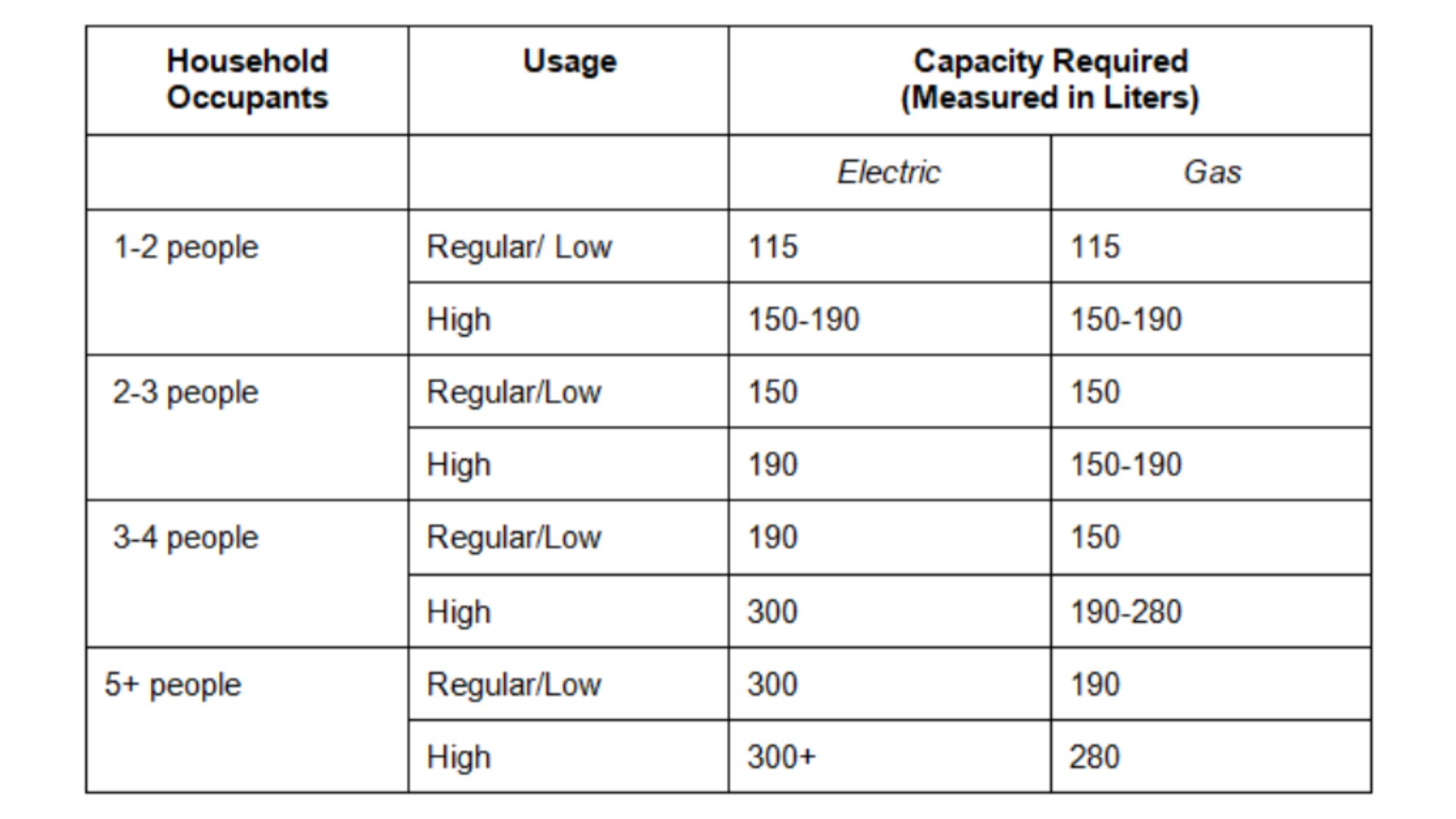
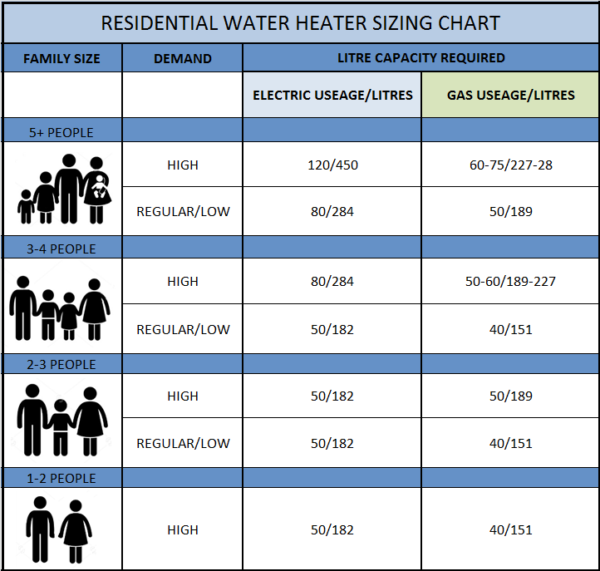
Choosing the right tankless water heater size for a family of two is important. It ensures enough hot water without wasting energy. Small families use less hot water, but demands vary. Understanding flow rates and temperature needs helps pick the best unit.
Typical Flow Rate Scenarios
Flow rate shows how much water flows per minute. For two people, common tasks include showering and washing dishes. A shower uses about 1.5 to 2.5 gallons per minute. A kitchen faucet uses about 1.0 to 1.5 gallons per minute. Combined, these tasks can reach 3 to 4 gallons per minute.
Knowing these numbers helps match the heater capacity to real needs. Avoid oversizing or undersizing the unit.
Temperature Rise Calculations
Temperature rise means how much the heater must warm the water. Calculate by subtracting incoming water temperature from desired hot water temperature. For example, if cold water is 50°F and you want 120°F, rise is 70°F.
Cold water temperature changes by location and season. Higher rises need more powerful heaters. This step ensures the heater can deliver hot water at the right heat.
Recommended Unit Sizes
For a family of two, a unit with 3 to 5 gallons per minute capacity usually works well. A temperature rise of 60 to 70°F is typical. This size supports showers, sinks, and small appliances without running out of hot water.
Choosing the correct size saves money and energy. It provides comfort and convenience every day.
Installation And Maintenance Tips
Installing a tankless water heater for a family of two requires careful planning and regular care. Proper installation ensures the system works efficiently and lasts longer. Routine maintenance helps avoid breakdowns and keeps hot water flowing.
Simple checks and timely fixes save money and prevent discomfort from cold showers. Understanding common issues makes troubleshooting easier and faster.
Professional Installation Importance
Hire a licensed expert to install your tankless water heater. They know local codes and safety rules. Proper setup avoids leaks, electrical problems, and poor performance.
Experts size the heater correctly for your household needs. They ensure good water pressure and temperature control. A professional job reduces future repair costs.
Routine Maintenance Tasks
Clean the water heater’s filter every six months. It keeps water flow steady and prevents clogs. Flush the system yearly to remove mineral build-up.
Check for leaks and rust around connections. Inspect the venting system for blockages or damage. Test the temperature settings to keep water safe and comfortable.
Troubleshooting Common Issues
If the water is not hot enough, check the thermostat setting first. Low water flow may signal a clogged filter or pipe. Strange noises often mean sediment buildup.
Reset the unit if it stops working. Look for error codes on the display and consult the manual. Call a professional if problems persist after basic fixes.
Cost And Energy Savings
Choosing the right tankless water heater size for a family of two can lead to significant cost and energy savings. These systems heat water only when needed, cutting down on wasted energy. This efficiency lowers monthly utility bills and reduces environmental impact. Understanding the costs and benefits helps make a smart investment.
Initial Investment
Tankless water heaters cost more upfront than traditional models. The price depends on size and brand. Smaller units for two people are less expensive. Installation might require upgrades to plumbing or electrical systems. Still, the initial cost pays off over time through energy savings.
Long-term Savings
Tankless systems use energy only when hot water is needed. This reduces wasted power and lowers bills. They last longer than traditional heaters, often over 20 years. Fewer repairs and replacements mean less spending. Savings add up and benefit household budgets.
Incentives And Rebates
Many local governments offer rebates for energy-efficient appliances. Tankless water heaters often qualify for these programs. Check with utility companies for discounts or special offers. These incentives help reduce the initial cost. They make choosing a tankless heater more affordable.
Credit: www.eecusa.com
Frequently Asked Questions
What Size Tankless Water Heater Suits A Family Of 2?
A tankless water heater with a flow rate of 3 to 5 gallons per minute fits a family of two. This size efficiently meets daily hot water needs without wasting energy.
How To Calculate Tankless Water Heater Size For Two People?
Calculate your peak hot water demand by adding flow rates of simultaneous fixtures. For two people, 3-5 GPM typically covers showers and kitchen use comfortably.
Can A Small Tankless Heater Handle Two Bathrooms?
Yes, a small tankless heater with 4-5 GPM can supply hot water to two bathrooms if usage is staggered. Proper sizing ensures steady hot water flow.
Does Tankless Water Heater Size Affect Energy Efficiency?
Correct sizing maximizes energy efficiency by avoiding overheating or underperformance. A properly sized unit for two people saves energy and reduces utility bills.
Conclusion
Choosing the right tankless water heater size saves water and energy. A family of two usually needs a small to medium unit. Consider your daily hot water use and peak times. This helps avoid running out of hot water. Proper sizing means comfort and lower bills.
Take time to check flow rates and temperature rise. This ensures your heater matches your needs well. A well-chosen heater lasts longer and works better. Simple steps make your home more efficient and cozy.