
Choosing the right water pipe size for your tankless water heater can make a huge difference in how well your system works. If the pipes are too small, you might face low water pressure or uneven heating.
Too large, and you could be wasting money and space. You want your hot water to flow smoothly and efficiently every time you turn on the tap. You’ll discover exactly what pipe size fits your tankless water heater and why it matters for your home’s comfort and energy savings.
Keep reading to avoid costly mistakes and get the most from your water heating system.
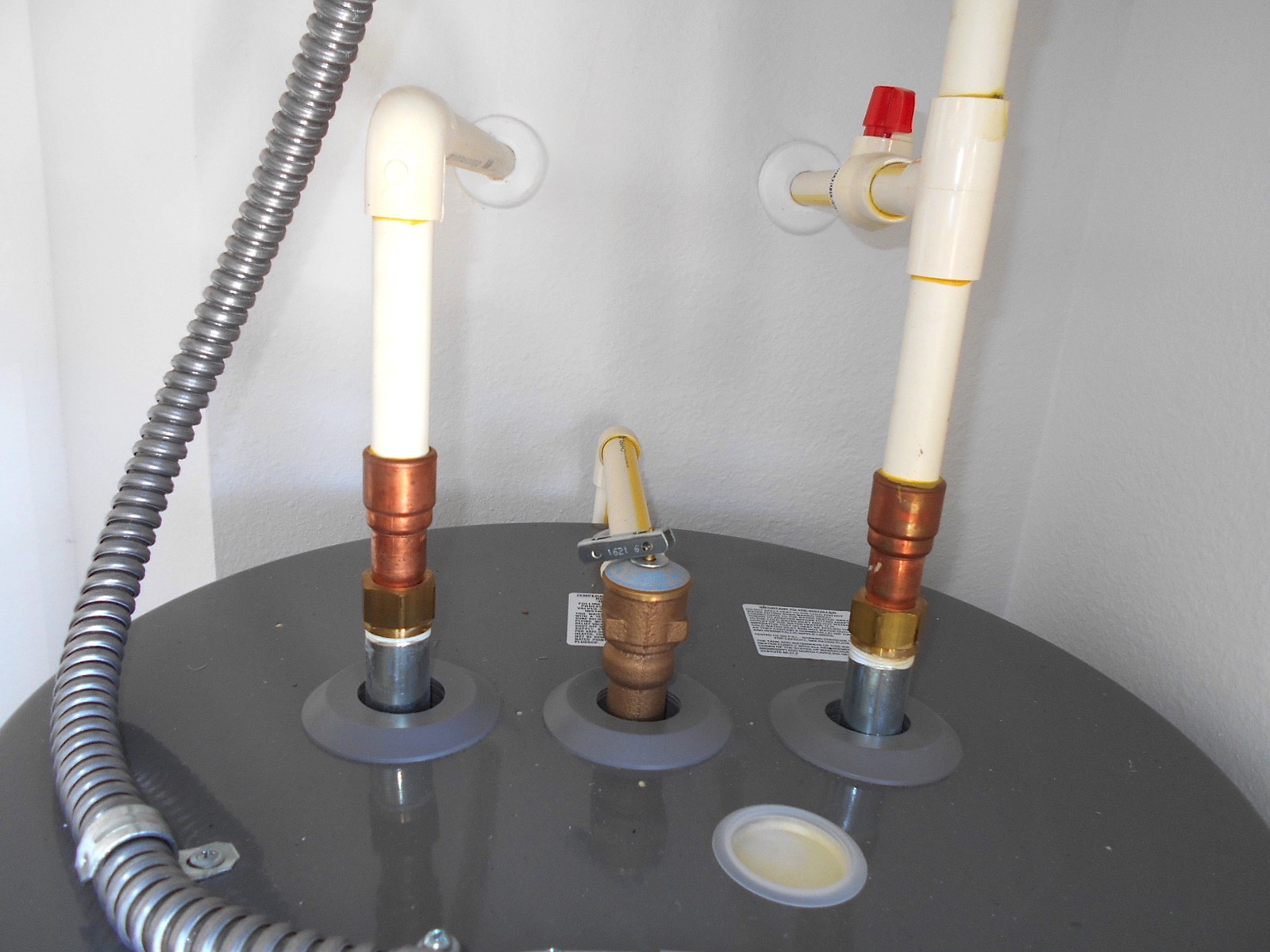
Credit: www.howtolookatahouse.com
Page Contents
Choosing The Right Pipe Size
Pipe size depends on how far the heater is from the water source. The bigger the pipe, the more water it can carry. This helps keep the water pressure strong. Small pipes may cause slow water flow, making the heater work harder.
Common sizes for tankless water heaters are ½ inch, ¾ inch, and 1 inch. Choose ½ inch for short distances and low water use. Use ¾ inch for most homes. One inch pipes are best for large homes or many water points.
| Pipe Size | Use Case | Effect on Water Flow |
|---|---|---|
| ½ inch | Short distance, low demand | Lower flow, may reduce pressure |
| ¾ inch | Most homes, average demand | Good flow and pressure balance |
| 1 inch | Large homes, high demand | High flow, strong pressure |

Credit: www.reddit.com
Material Options For Water Pipes
Copper pipes are strong and last a long time. They handle heat well and do not break easily. Copper resists corrosion, so water stays clean.
PEX pipes are flexible and easy to install. They do not rust and resist chemicals. PEX pipes are good for cold and hot water.
CPVC pipes are plastic and can handle hot water. They are cheaper than copper but less flexible than PEX. CPVC resists heat and corrosion well.
Installation Tips For Optimal Efficiency
Proper pipe routing helps keep water temperature steady and reduces energy waste. Pipes should be as short and straight as possible. Avoid sharp bends or loops to keep water flowing well. Use insulated pipes to keep the heat inside. This cuts down on heat loss and saves energy.
Minimizing heat loss means less waiting for hot water. Insulation is key. Wrap pipes with foam sleeves or heat tape. This keeps water warm on the way to your taps. It also helps lower your energy bills.
Common installation mistakes include using wrong pipe sizes and poor connections. Use pipes that fit your tankless heater’s specifications. Avoid mixing metal and plastic pipes without proper fittings. Check for leaks and secure all joints tightly. These steps prevent water damage and improve heater life.
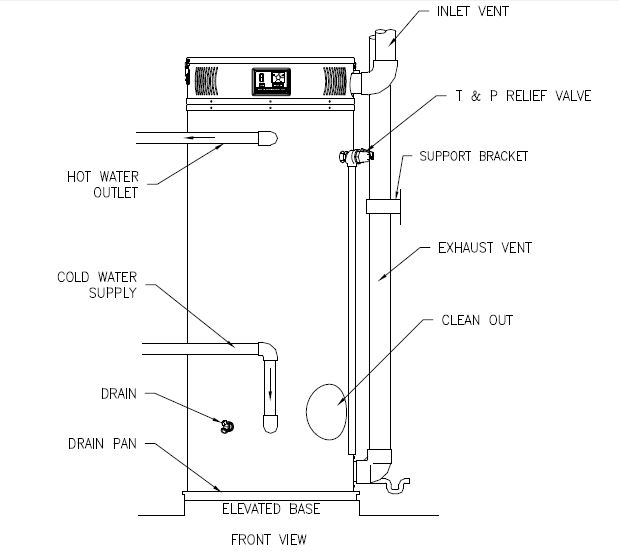
Credit: www.deppmann.com
Code Requirements And Standards
Local plumbing codes set the rules for pipe sizes. These rules help keep water flow safe and steady. Most codes say pipe size depends on how far water must travel and the heater’s power.
Manufacturer recommendations are also important. They suggest the best pipe size for their tankless water heaters. Following these tips helps the heater work well and last longer.
Usually, pipes from 3/4 inch to 1 inch are common. Bigger pipes may be needed for high water flow or long distances. Using the right size stops problems like low water pressure or leaks.
| Aspect | Details |
|---|---|
| Local Codes | Set minimum pipe size based on distance and flow |
| Manufacturer Tips | Recommend pipe size for best heater performance |
| Common Sizes | Usually 3/4 inch to 1 inch diameter |
| Why Size Matters | Prevents pressure drops and leaks |
Troubleshooting Flow And Pressure Issues
Undersized pipes cause low water flow and poor pressure. They limit water moving to the heater. You might see slow hot water or uneven heating.
Pipe corrosion or blockage also reduce flow. Rust inside pipes narrows the space for water. Debris or mineral buildup blocks pipes too.
Signs include discolored water, strange smells, or noisy pipes. These signs mean pipes need checking or replacing.
Regular pipe checks help avoid these problems. Good pipe size and clean pipes keep hot water steady and strong.
Cost Implications Of Pipe Size Choices
Pipe size affects both material and labor costs. Larger pipes cost more and take longer to install. Smaller pipes use less material and reduce labor time. Choosing the right size saves money upfront.
Energy savings depend on pipe size too. Larger pipes keep water hotter for longer, reducing energy use. Smaller pipes might cause heat loss, raising energy bills. Over time, this affects your wallet.
| Pipe Size | Material Cost | Labor Cost | Energy Efficiency |
|---|---|---|---|
| Small (1/2 inch) | Low | Low | Moderate |
| Medium (3/4 inch) | Medium | Medium | Good |
| Large (1 inch or more) | High | High | Best |
Frequently Asked Questions
What Pipe Size Is Best For Tankless Water Heaters?
A 3/4-inch pipe is generally recommended for tankless water heaters. This size ensures proper water flow and pressure. Smaller pipes may restrict flow and reduce heater efficiency. Always consult the manufacturer’s guidelines for your specific model.
Can I Use 1/2-inch Pipes With Tankless Heaters?
Using 1/2-inch pipes can cause low water flow in tankless heaters. This size may not support the required water volume. It can lead to decreased performance and inconsistent hot water. Upgrading to 3/4-inch pipes is often necessary for optimal results.
How Does Pipe Size Affect Tankless Water Heater Performance?
Pipe size directly impacts water pressure and flow rate in tankless heaters. Larger pipes allow more water to flow efficiently. Smaller pipes can cause pressure drops and poor heating. Proper pipe sizing ensures consistent temperature and energy efficiency.
Should Supply And Return Pipes Be The Same Size?
Yes, supply and return pipes should typically be the same size. Matching pipe sizes helps maintain balanced water flow. It prevents pressure imbalances and ensures the heater operates correctly. Follow local plumbing codes and manufacturer recommendations for best results.
Conclusion
Choosing the right water pipe size matters a lot for tankless heaters. It helps water flow smoothly and keeps your heater working well. Small pipes can slow water and cause problems. Bigger pipes give enough water but may cost more.
Think about your home’s water needs and heater size. Proper pipe size saves money and keeps hot water ready fast. Take time to plan and ask experts if needed. Good pipe choices make your tankless water heater last longer and work better every day.