
Is your Titan water heater acting up when you need it most? You rely on it daily for hot showers, washing dishes, and keeping your home comfortable.
When it stops working properly, it can throw off your whole routine. But don’t worry—this guide will help you quickly identify and fix common problems with your Titan water heater. By the end, you’ll feel confident tackling issues on your own, saving time and money.
Keep reading to get your hot water flowing again without hassle.

Credit: www.youtube.com
Page Contents
Common Titan Water Heater Problems
Titan water heaters are popular for their efficiency and durability. Still, they can face some common problems. Knowing these issues helps you fix them quickly. This saves time and money. Below are some typical problems people face with Titan water heaters.
No Hot Water
No hot water is a common complaint. It can happen if the power supply is off. Check the circuit breaker or fuse. Sometimes, the heating element may be faulty. Sediment buildup inside the tank can also block heating. Regular maintenance helps avoid this problem.
Water Too Hot
Water that is too hot can cause burns. This happens when the thermostat is set too high. A broken thermostat can also cause this issue. Lower the temperature setting to around 120°F. If the problem continues, the thermostat may need replacement.
Strange Noises
Strange noises like popping or banging come from inside the tank. These sounds occur due to sediment buildup. Sediment traps water under it and causes popping sounds. Flushing the tank removes the sediment. This keeps the water heater quiet and working well.
Leaks And Drips
Leaks and drips waste water and can damage floors. Leaks usually come from valves or pipes. Check the pressure relief valve and drain valve for leaks. Tighten connections or replace faulty parts. If the tank itself leaks, replacement is necessary.

Credit: www.usatankless.com
Basic Checks Before Repairs
Before starting any repairs on your Titan water heater, basic checks save time and effort. These simple steps help find common problems fast. They can prevent unnecessary repair costs.
Start with the easy checks. They often solve the issue without tools or expertise. This guide shows what to check first. Follow each step carefully.
Power Supply And Circuit Breaker
Check if the water heater is plugged in properly. Look at the power switch. Make sure it is turned on. Examine the circuit breaker or fuse box. A tripped breaker stops power to the heater. Reset the breaker by flipping it off and on. If the breaker trips again, call an electrician.
Water Supply And Valves
Confirm the main water valve is open. Closed valves block water flow to the heater. Check the cold water supply valve near the heater. It must be fully open. Inspect pipes for leaks or damage. Water flow issues cause poor heating performance.
Thermostat Settings
Look at the thermostat on the heater. It controls water temperature. Make sure the setting is not too low. Adjust the thermostat to a warmer setting if needed. Avoid setting it too high to save energy and prevent burns. Reset the thermostat if the water stays cold.
Fixing No Hot Water Issues
No hot water from your Titan water heater? This problem can stop your daily routine. Fixing it might be easier than you think. Start by checking simple parts. Many issues come from small faults. Follow these steps to find the cause and fix it fast.
Resetting The Heater
First, try resetting the water heater. Find the reset button on the unit. Press it firmly. This can clear minor errors in the system. Wait a few minutes after pressing. Then check if the water heats up. Resetting often solves basic issues quickly.
Inspecting Heating Elements
Heating elements make the water hot. Check if they work properly. Turn off power to the heater. Remove the access panel to see the elements. Look for signs of damage or wear. Use a multimeter to test the element’s resistance. Replace any faulty parts to restore heating.
Checking Pilot Light Or Ignition
For gas models, pilot light or ignition matters. See if the pilot light is on. If it is out, relight it carefully. Some models have electronic ignition. Listen for clicking sounds when starting. No sound means ignition may fail. Fix or replace the ignition system to get heat again.
Resolving Water Temperature Problems
Water temperature problems in a Titan water heater cause discomfort and frustration. Cold showers or scalding water can disrupt daily routines. Understanding how to fix these issues helps restore comfort quickly. Simple steps often resolve temperature problems without costly repairs.
Adjusting Thermostat
The thermostat controls the water temperature inside the heater. It may need adjustment if water is too hot or too cold. Turn off the power before adjusting the thermostat. Use a screwdriver to turn the dial slowly. Set the temperature between 120°F and 140°F for safety and comfort. Small changes can make a big difference in water temperature.
Replacing Faulty Thermostat
A broken thermostat can cause inconsistent water temperature. Signs include water that suddenly gets very hot or cold. Test the thermostat with a multimeter to check for faults. If damaged, replace it with a new one designed for Titan heaters. Always cut power before replacing parts. Proper installation ensures stable water temperature and safe operation.
Flushing Sediment Buildup
Mineral buildup inside the tank affects heating efficiency. Sediment traps heat and lowers water temperature. Flush the tank regularly to remove this buildup. Turn off the water supply and power before draining. Attach a hose to the drain valve and empty the tank. Flush with clean water until clear. This helps maintain steady water temperature and extends heater life.
Stopping Leaks And Drips
Leaks and drips from your Titan water heater can waste water and increase bills. Stopping these leaks quickly protects your home and the heater itself. Small leaks often come from loose parts or worn components. Fixing these issues early can prevent bigger problems and costly repairs.
Tightening Connections
Loose pipes and fittings cause many leaks. Use a wrench to tighten all visible connections. Check around the cold and hot water pipes. Do not overtighten, or you might damage the threads. After tightening, watch for any new drips. Tight connections keep water flowing where it should.
Replacing Pressure Relief Valve
The pressure relief valve stops the tank from over-pressurizing. A faulty valve can leak water constantly. Turn off the water heater before removing the valve. Replace it with a new one of the same size and type. Test the valve by lifting its lever gently. No leaks should appear after replacement.
Repairing Tank Corrosion
Corrosion weakens the tank and causes leaks. Inspect the tank for rust or bubbles under paint. Small rust spots can be cleaned and sealed with waterproof paint. Large corrosion means the tank might need replacing. Do not ignore corrosion; it can lead to serious damage.
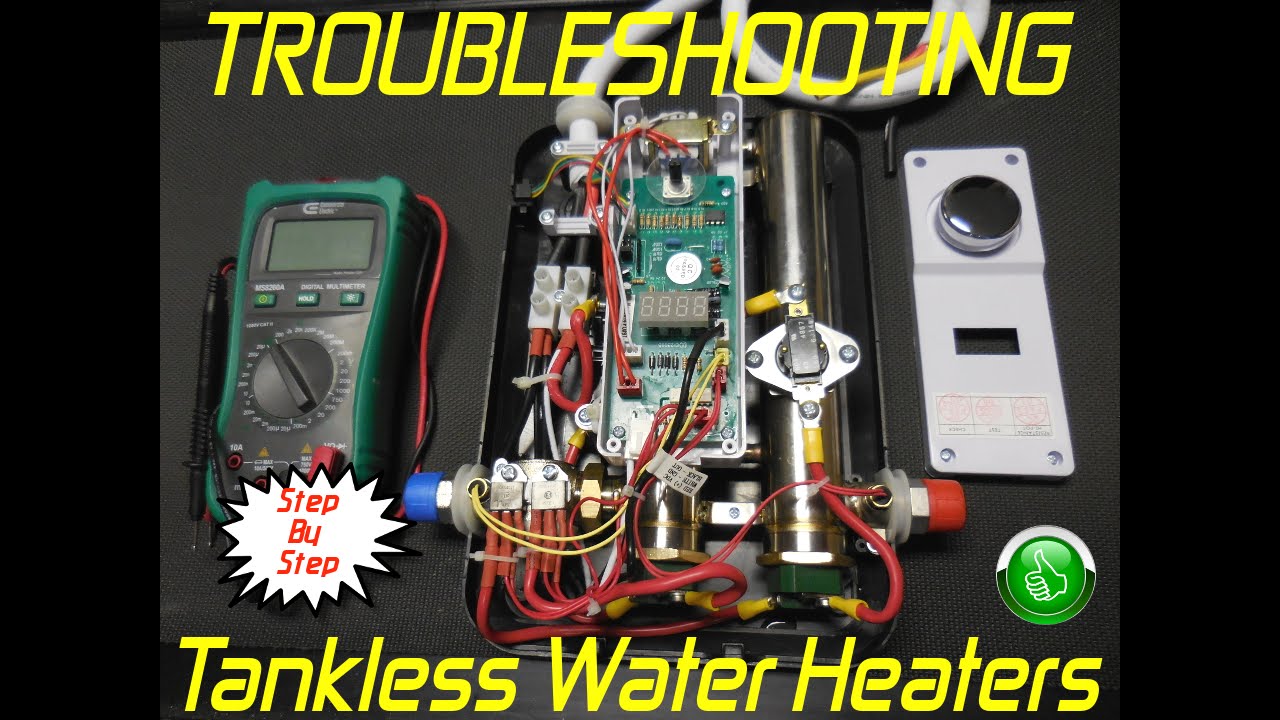
Credit: www.youtube.com
Eliminating Strange Noises
Strange noises from a Titan water heater can be annoying and worrying. These sounds often signal issues inside the tank. Fixing these noises early can stop bigger problems later. This section shows simple steps to find and fix noise causes.
Flushing The Tank
Flushing the tank removes old water and dirt. This clears buildup that causes popping or rumbling sounds. Turn off the heater first. Attach a hose to the drain valve. Open the valve and let water flow out. Close the valve and refill the tank. This process helps the heater work quietly.
Checking For Sediment
Sediment builds up at the tank bottom. It traps heat and causes noise. Drain some water into a clear container. Look for sand or dirt in the water. If you see sediment, flush the tank again. Regular cleaning keeps the heater quiet and efficient.
Inspecting Heating Elements
Heating elements can wear out or get covered in scale. This causes buzzing or humming sounds. Turn off power and open the access panel. Check elements for damage or buildup. Clean or replace any faulty parts. Proper elements reduce noise and improve heating.
Preventive Maintenance Tips
Preventive maintenance helps keep your Titan water heater working well. It stops small problems from becoming big issues. Regular care saves money and extends the heater’s life. Follow these simple tips to maintain your water heater properly.
Regular Flushing Schedule
Flush the tank every six months to remove sediment. Sediment buildup reduces heating efficiency and can damage the tank. Use the drain valve to empty the water until clear. This simple step keeps your heater running smoothly.
Inspecting Anode Rod
Check the anode rod yearly to prevent tank corrosion. The rod attracts rust, protecting the tank walls. Replace it if it is less than half an inch thick. A good anode rod extends your water heater’s life.
Monitoring Water Pressure
Keep water pressure between 50 and 60 psi for best results. High pressure strains the heater and pipes, causing leaks. Use a pressure gauge to check regularly. Adjust the pressure regulator if needed to avoid damage.
When To Call A Professional
Knowing when to call a professional for your Titan water heater saves time and stress. Some problems need expert skills and special tools. Trying to fix complex issues alone might cause more damage or risk your safety.
Recognizing signs that require professional help keeps your water heater working well. It also protects your home from bigger problems and costly repairs.
Persistent Issues
If your water heater breaks down again and again, it needs expert attention. Simple fixes might not solve the root cause. Professionals can find hidden problems quickly and fix them properly.
Repeated leaks, strange noises, or inconsistent hot water are signs to call a pro. Don’t ignore these issues as they can get worse over time.
Complex Repairs
Some repairs require special tools and skills. Problems with the thermostat, heating element, or gas valve are complex. These parts are delicate and need careful handling.
Attempting these repairs without experience can lead to bigger damage. Professionals have the right equipment and training to fix these safely.
Safety Concerns
Water heaters use electricity or gas, which can be dangerous. If you smell gas, see sparks, or notice water leaking near electrical parts, call a professional immediately. Safety must be the top priority.
Ignoring safety issues can cause fires or explosions. A professional will ensure your water heater works safely and reliably.
Conclusion
Titan water heater issues can often be fixed with simple steps. Check the power supply and reset the unit if needed. Clean the filters and remove any blockages carefully. Regular maintenance helps avoid many common problems. Always follow safety instructions during troubleshooting.
When problems persist, consider calling a professional technician. Understanding basic fixes saves time and money. Keep your water heater running smoothly for comfort and efficiency. Stay patient and methodical for the best results.