Have you ever walked into your utility room and noticed a puddle forming around the base of your water heater? This unsettling sight can send a wave of panic through any homeowner.
You might worry about potential water damage or the cost of repairs. But before you let your imagination run wild, let’s delve into what might be causing this issue and how you can address it. Understanding the possible reasons for water accumulation around your water heater is crucial.
It could be a minor issue that’s easy to fix or a sign of a more serious problem that needs immediate attention. By exploring the common causes, you’ll be better equipped to tackle this issue head-on. This article will guide you through the typical culprits and offer practical solutions, ensuring you make informed decisions and keep your home safe and dry. Don’t let a little water shake your peace of mind. Dive into the details, and you might find that the solution is simpler than you think. The knowledge you gain here could save you time, money, and a whole lot of stress. So, read on to discover how you can resolve the mystery of water around the bottom of your water heater.
Page Contents
Causes Of Water Accumulation
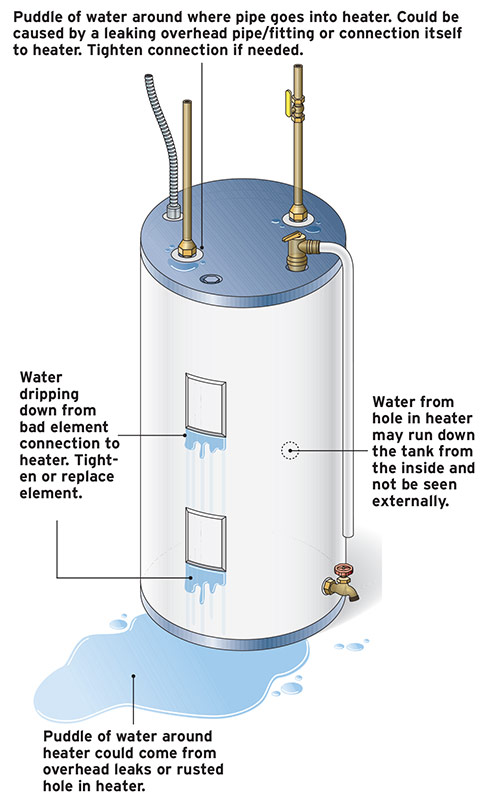
Have you noticed water pooling around the bottom of your water heater? This might be a common issue, but understanding the causes is crucial to prevent further damage. Water accumulation can stem from various problems, ranging from leaks to condensation. Let’s dive into the specific causes and explore how each one can impact your water heater’s efficiency and lifespan.
Leaking Tank
One of the most common causes of water around your heater is a leaking tank. Over time, corrosion can lead to small holes or cracks in the tank, allowing water to escape. It’s like the surprise of finding a drip in your favorite coffee mug. Regular inspections can help catch these leaks early.
If your tank is older, consider replacement options. A new tank can save you money on repairs and improve efficiency. Have you checked your tank’s age recently?
Faulty Plumbing Connections
Faulty plumbing connections are another culprit. Sometimes the fittings and connections can loosen or degrade, causing water to leak. Imagine the annoyance of a loose lid on a jar that just won’t close right.
Tighten all connections regularly to prevent leaks. Use a wrench for extra security. When was the last time you checked your water heater’s plumbing?
Condensation Issues
Condensation might be less obvious but equally troublesome. When cold water enters a hot tank, condensation can form on the outside. Picture the beads of sweat on a cold glass during summer.
Insulating your tank can reduce condensation significantly. A simple insulation blanket can work wonders. Have you considered insulating your heater for better efficiency?
Understanding these causes helps you maintain your water heater effectively. How will you address the issues you’ve identified? Regular maintenance can prevent water accumulation problems and extend your heater’s life. Keep an eye out for these issues to ensure your water heater stays in top shape.
Credit: www.finehomebuilding.com
Impact Of Dampness
Water around the bottom of a water heater can lead to dampness. This dampness can have several impacts on your home. Addressing these impacts is crucial to prevent further damage. Let’s explore some of the key consequences of dampness.
Structural Damage
Dampness can weaken the structure of your home. Wood and drywall can absorb water, leading to warping. Over time, this can cause significant structural issues. Floors may sag or walls may become unstable. Quick action is needed to prevent costly repairs.
Mold Growth
Moist conditions are ideal for mold growth. Mold can spread quickly in damp areas. This can affect indoor air quality and health. Allergies and respiratory issues can worsen. It’s important to address mold before it spreads further.
Energy Efficiency Concerns
Dampness can affect the efficiency of your water heater. Water heaters work harder in humid conditions. This can lead to higher energy bills. It may also shorten the lifespan of the appliance. Keeping the area dry can help maintain energy efficiency.
Inspection Techniques
Water around the bottom of a water heater can signal trouble. Regular inspections help identify issues early. This guide covers essential inspection techniques. These checks ensure your water heater runs smoothly. Follow these steps to keep your water heater in top condition.
Visual Checks
Start with a visual inspection. Look for rust, leaks, or dampness around the heater. Check all visible pipes for any signs of moisture. Examine the base of the water heater for pooling water. A flashlight can help spot hidden leaks. Regular visual checks prevent bigger problems later.
Using Moisture Meters
Moisture meters are valuable tools. They detect water presence that’s not visible. Place the meter near suspected areas around the heater. The meter will show moisture levels in the surface. High readings indicate potential leaks. Regular use of a moisture meter can save time and cost.
Evaluating Pressure Relief Valve
The pressure relief valve is crucial for safety. Check it regularly to ensure it functions properly. Look for any signs of leaks around the valve. Gently lift the valve handle to release pressure. A small amount of water should exit. If not, the valve may need replacement. Keeping it in good condition prevents pressure buildup.

Credit: www.reddit.com
Diy Solutions
Discovering water around the bottom of a water heater may signal a leak. Identifying the source is crucial. Tightening loose connections or checking the pressure relief valve are simple fixes.
If you’ve noticed water pooling around the bottom of your water heater, you’re probably wondering how to tackle it without immediately calling in a professional. DIY solutions can be a cost-effective and rewarding way to handle minor issues. Whether it’s tightening a few loose connections or replacing a faulty valve, you can often solve the problem yourself with some basic tools and guidance.Tightening Connections
Before you panic, check all visible connections for any signs of moisture. A simple tightening of these connections could stop the leak. Use a wrench to gently tighten the nuts and bolts. Be careful not to over-tighten, as this could cause further damage. Have you ever tightened a connection and seen the leak stop instantly? It’s a small victory that feels huge.Replacing Faulty Valves
A worn-out valve can be the culprit behind the water mess. Assess the pressure relief valve and drain valve for any leaks. If faulty, replace them to halt the water flow. Most valves are easy to replace, and you can find replacements at a local hardware store. Have you ever replaced a valve and felt the satisfaction of solving a problem with your own hands? It’s empowering.Improving Ventilation
Poor ventilation can cause condensation, leading to water buildup around your heater. Ensure your water heater is in a well-ventilated area. Open windows or use a fan to improve airflow. Is your water heater crammed in a tight closet? Consider relocating it or improving the ventilation to prevent future issues. Tackling a leaky water heater can seem daunting. Yet, with a little patience and effort, you can often fix the issue yourself. Wouldn’t you like to save some money and gain a sense of accomplishment? Your water heater—and your wallet—will thank you.Professional Repair Options
Water pooling around the bottom of a water heater often signals a leak. Professional repair options can address this issue effectively. Skilled technicians diagnose problems and offer solutions to prevent further damage.
When you notice water pooling around the bottom of your water heater, it’s essential to consider professional repair options. This issue can lead to more significant problems if not addressed promptly. Let’s explore how hiring a plumber, considering tank replacement, and upgrading to efficient models can offer effective solutions.Hiring A Plumber
When water is leaking, hiring a plumber is often your first line of defense. Plumbers have the expertise to diagnose the source of the leak quickly. They can determine if the problem is a simple fix or requires more extensive repairs. A professional plumber can save you time and prevent further damage. They can also advise on preventative measures to avoid future leaks. Have you ever tried fixing a leak only to find it worsens over time? A plumber ensures that doesn’t happen.Tank Replacement Considerations
Sometimes, repairing isn’t enough, and you might need to consider replacing the water heater tank. If your water heater is old, a replacement might be more cost-effective than constant repairs. New tanks offer better efficiency and longer lifespans. Think about how often your current tank has needed repairs. Are the repair costs adding up? A new tank could save money in the long run. Evaluate the benefits of a fresh start with a new tank.Upgrading To Efficient Models
Upgrading to a more efficient water heater model could be your best bet. Modern water heaters use less energy, which can lead to savings on your utility bills. They also offer advanced features that old models lack. Have you ever considered how much energy your current water heater consumes? An efficient model can reduce your carbon footprint and increase your home’s energy efficiency. Plus, they often have longer warranties, giving you peace of mind. In choosing professional repair options, consider your specific situation and the long-term benefits. What changes will provide the most value for your home and lifestyle?Preventive Measures
Water around the bottom of your water heater can signal trouble. Addressing this issue early can prevent costly repairs and damage. Implementing preventive measures can keep your water heater running smoothly. Let’s explore some effective strategies.
Regular Maintenance Tips
Regular maintenance ensures your water heater functions well. Check for signs of wear and tear. Inspect valves and connections for leaks. Flush the tank annually to remove sediment build-up. This simple step improves efficiency and extends lifespan.
Installing Drip Pans
Drip pans catch water that leaks from your heater. They prevent damage to floors and surrounding areas. Choose a pan that fits well under your heater. Ensure it has a proper drainage system. This keeps your home safe from water damage.
Monitoring Humidity Levels
High humidity can affect your water heater. It may cause rust and corrosion over time. Use a dehumidifier to reduce moisture in the air. Keep the area around the heater dry and ventilated. This helps maintain your heater’s condition.

Credit: www.reddit.com
Frequently Asked Questions
Why Is There Water Around My Water Heater?
Water around your heater can indicate a leak. Common causes include a faulty valve, loose connections, or corrosion. It’s essential to address the issue quickly to prevent water damage. Inspect the unit and connections for visible signs of leaks. Consider consulting a professional if you’re unsure about the cause.
How Do I Fix Water Heater Leaks?
First, identify the leak source. Tighten loose connections and replace faulty valves if needed. If corrosion is present, the tank might need replacement. Always turn off the power and water supply before repairs. If the problem persists, contact a licensed plumber for a thorough inspection and repair.
Can A Leaking Water Heater Explode?
While rare, a leaking water heater can explode if pressure builds up. This often results from a malfunctioning pressure relief valve. Regular maintenance and inspections can prevent such hazards. Always address leaks immediately to ensure safety. If you suspect a pressure issue, turn off the heater and seek professional help.
Is A Leaking Water Heater Dangerous?
Yes, a leaking heater can be dangerous. Water leaks can lead to electrical hazards and structural damage. Mold growth is also a concern if moisture is left unchecked. Regularly inspect your heater and address leaks promptly. For significant leaks, turn off the power and water supply and call a professional.
Conclusion
Water around your water heater needs attention. Ignoring it can cause damage. Check for leaks regularly to avoid costly repairs. Tighten connections if you spot drips. Replace worn-out parts promptly. Ensure proper ventilation to prevent rust and corrosion. Consult a professional if unsure about fixing issues.
Regular maintenance keeps your water heater efficient and safe. Don’t overlook strange noises or smells. These could indicate bigger problems. Keep your water heater running smoothly with these simple steps. Your home deserves care and attention. Protect it by staying proactive with maintenance tasks.