
You might not think much about your water heater until something goes wrong. That comforting stream of hot water is something you rely on daily, but did you know that a small component inside your water heater plays a big role in keeping it running smoothly?
This component, known as the anode rod, is crucial for preventing rust and extending the life of your water heater. Unfortunately, over time, this rod deteriorates and needs replacing. But how much does this cost, and is it worth it?
By understanding the replacement costs and benefits, you can make informed decisions that save you money and ensure your water heater continues to serve you well. Stick around, because what you learn today could save you from a cold shower tomorrow.
Credit: www.reddit.com
Page Contents
Importance Of Anode Rods
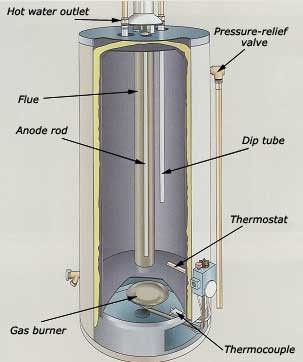
Anode rods are crucial for protecting your water heater. They prevent rust from damaging the tank. This rod attracts harmful particles and keeps them away from the tank walls. Without it, the water heater might fail sooner. Anode rods are usually made of aluminum, magnesium, or zinc. Each material has its own benefits. A well-maintained anode rod helps the heater last longer. Checking it regularly is a good habit. Replace it when needed to avoid problems. A worn-out rod can’t protect the tank. This can lead to expensive repairs.
Signs Of A Worn Out Anode Rod
The water smells bad or rusty. The heater makes odd noises. Water looks cloudy or dirty. These are signs of a bad rod. Corrosion is a big issue. The rod protects your heater from rust. Without it, the tank will rust fast. Check your heater regularly. A worn rod needs replacing quickly. Replacing it can save money later. Rods usually last 3 to 5 years. Different water types affect its life. Hard water wears rods faster. Soft water is gentler. Always keep an eye on your heater’s condition.
Factors Affecting Replacement Cost
Anode rods come in different materials. Common ones are magnesium, aluminum, and zinc. Magnesium rods are more expensive. They offer better protection. Aluminum rods are cheaper but less effective. The choice of material affects the overall cost.
The size of the water heater also impacts the cost. Bigger heaters need longer rods. Longer rods cost more. Smaller heaters need shorter rods. So, the cost for them is less.
Labor charges vary by location. Some places have high charges. Others have low charges. The complexity of the job also matters. Easy jobs cost less. Difficult jobs cost more. Always check local rates.
Credit: www.robinsplumbing.com
Cost Breakdown
The anode rod is the main part you need. It usually costs $20 to $50. Prices can vary based on the type of rod. Magnesium rods are more costly than aluminum rods. Some people prefer zinc rods to reduce smell. These may cost a bit more.
Hiring someone to replace the rod can be pricey. Labor costs range from $50 to $150. The exact cost depends on your location. Some places charge more due to higher living costs. Always check with a few professionals. Compare prices before making a choice.
Diy Vs Professional Replacement
Doing it yourself can save you money. DIY anode rod replacement costs less than hiring. You only need to buy the rod and tools. But, it can be tricky. Inexperience can cause mistakes. Mistakes might damage the water heater. This can lead to more costs. You need time and patience too. If you’re handy, DIY might suit you. But, if not, it could be a risk. Make sure you know what to do. Safety is important. Always follow guidelines carefully.
Hiring a professional ensures the job is done right. They have the right skills and tools. Professionals can spot other issues too. This can save you from future problems. It’s more expensive than DIY. But, it gives peace of mind. Busy people might prefer this option. No need to worry about mistakes. Hiring someone saves time. Consider this if you’re unsure about DIY.

Credit: www.familyhandyman.com
Saving Money On Replacement
Regular care can save you money. Inspect the anode rod every year. This helps catch problems early. Change the rod every 3 to 5 years. This keeps your heater working well. Check for rust or unusual smells. These are signs the rod might need changing.
Cleaning the tank once a year is good. Sediment can build up. This makes the heater less efficient. A clean tank uses less energy. Keep the area around the heater clean. This prevents dust and dirt from causing issues.
Choose the right rod for your heater. There are different types. Aluminum rods are affordable. Magnesium rods are more expensive but last longer. Zinc rods help with smell issues.
Check your heater manual for recommendations. This ensures the right fit. The right rod can extend the life of your heater. This saves you money in the long run.
Frequency Of Replacement
Anode rods should be checked every year. This keeps your water heater safe. The rod stops rust and damage. Replace the rod if it looks thin or corroded. Most rods last 3 to 5 years. But, water quality affects this. Hard water makes rods wear out faster. Check more often if you have hard water. A worn rod can damage the heater. Fixing damage costs more money. Keep your heater working well. Schedule regular checks to avoid problems.
Impact Of Delayed Replacement
Old anode rods can cause water heater tanks to rust. Rust can lead to leaks. Leaks might cause flooding in your home. This can damage floors and walls. Fixing this can be very expensive. Rusty water can also harm your appliances. This includes washing machines and dishwashers. They may not work well.
Delaying anode rod replacement increases repair costs. Anode rods are cheaper than new heaters. Waiting too long could mean buying a whole new heater. This can cost a lot of money. Energy bills may go up, too. Old rods make heaters work harder. More energy is used to heat water. This adds to your monthly bills.
Conclusion
Replacing a water heater anode rod doesn’t have to break the bank. Costs usually stay within an affordable range. Regular maintenance helps avoid bigger issues later. Protect your investment with timely replacements. Extend the life of your water heater. Save money in the long run.
Keep your home running smoothly. Consult a professional for peace of mind. DIY is possible but requires care. This small step can make a big difference. Enjoy reliable hot water. Stay informed and proactive. Your wallet will thank you. Keep your home comfortable and efficient.