
Is your water heater drain valve leaking, causing you a wave of worry? You’re not alone.
A leaking drain valve is more than just an annoying drip; it could be a sign of bigger issues lurking beneath the surface. Ignoring it might lead to costly repairs or even a complete water heater replacement. But don’t fret! Understanding why your valve is leaking and how to address it can save you time, money, and stress.
We’ll guide you through the essential steps to diagnose and fix your leaking valve, ensuring your water heater runs smoothly for years to come. Stay with us to uncover the simple solutions and expert tips that will give you peace of mind. Your water heater deserves the best care, and so do you.
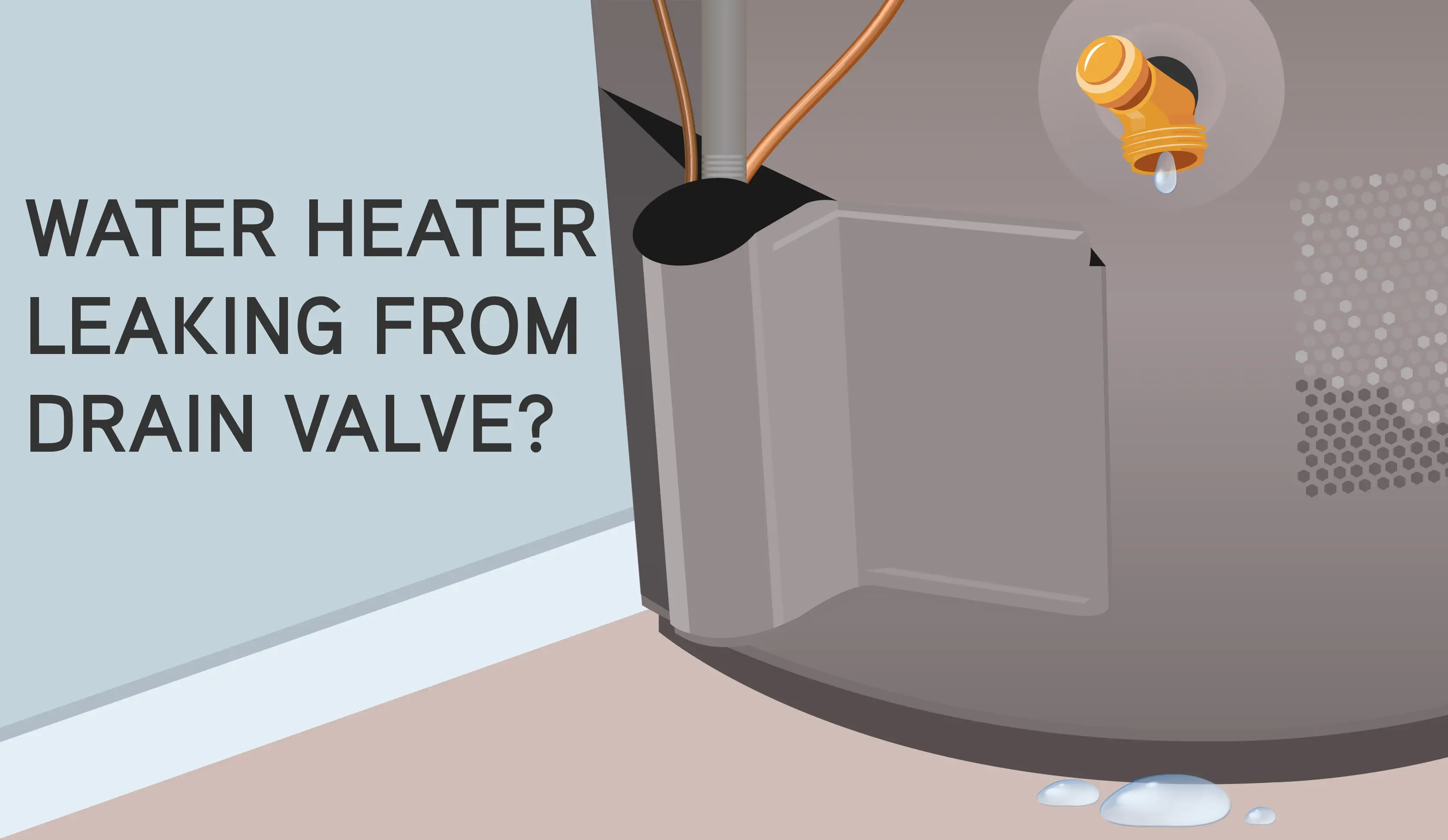
Credit: www.mrrooter.com
Page Contents
Causes Of Drain Valve Leaks
Water heater drain valve leaks can be both frustrating and costly. Understanding why these leaks occur can save you from future headaches. By knowing the common causes, you’ll be better equipped to address the issue swiftly and effectively. Let’s delve into the reasons that might be leading your drain valve to leak.
Common Reasons For Leaks
One of the primary reasons for drain valve leaks is simple wear and tear. Over time, the valve components can degrade, especially if they’re made from plastic. Metal valves, while more durable, can also corrode, leading to leaks. Another common cause is improper installation. If the valve wasn’t fitted correctly in the first place, you’re likely to experience leaking issues sooner rather than later.
Have you ever tightened a valve only to find it still leaking? Over-tightening can damage the valve, causing it to leak even more. Sometimes, sediments from the water heater can accumulate, obstructing the valve and causing leaks. Regular maintenance can prevent these tiny particles from becoming a big problem.
Signs Of A Faulty Valve
How do you know if your drain valve is faulty? A persistent drip or small puddles of water around the base of your water heater is a clear sign. You might notice decreased efficiency in your water heater, indicating that water is escaping through a faulty valve.
Listen closely; a hissing sound can be a tell-tale sign of a leak. If your water heater seems to be working harder than usual or your energy bills are unexpectedly high, a leaking valve might be the culprit. Regularly checking for these signs can prevent bigger issues down the road.
Have you ever ignored a small leak, thinking it was insignificant? Those tiny drips can lead to substantial water damage over time. Addressing the root cause early can save you money and stress. What steps will you take to ensure your water heater stays leak-free?

Credit: diy.stackexchange.com
Tools And Materials Needed
Fixing a leaking water heater drain valve requires specific tools and materials. Prepare a wrench, Teflon tape, and a replacement valve. Ensure you have a bucket to catch any water and protective gloves for safety.
Fixing a leaking water heater drain valve might seem daunting, but with the right tools and materials, you can tackle the task efficiently. Whether you’re a seasoned DIY enthusiast or just starting out, having a clear understanding of what you’ll need can make the process smoother. Let’s dive into the essentials that will equip you to manage this common household issue with confidence.Essential Tools
To begin, you’ll need a few basic tools that are likely already in your toolbox. A wrench is crucial for loosening and tightening the valve, so make sure you have an adjustable one. A screwdriver will come in handy if your heater’s valve has screws that need tightening or removing. Don’t forget a bucket or hose to catch any water that might spill out during the process. This prevents unnecessary mess and makes cleanup easier. A towel is also useful to dry up any drips and keep the area safe from slips.Recommended Materials
When it comes to materials, a replacement valve is often necessary if the old one is beyond repair. It’s wise to have a thread seal tape on hand to ensure a snug, leak-proof fit when installing the new valve. This tape is affordable and can save you a lot of hassle. Consider purchasing some plumber’s putty. It’s a great material for sealing gaps and providing an extra layer of protection against leaks. Even if you’re confident in your repair skills, having a new washer available is a smart move, as this small part often causes leaks when worn out. Have you ever started a project only to find you’re missing a crucial item? It can be frustrating, to say the least. By gathering these tools and materials beforehand, you set yourself up for success. Imagine finishing the repair without those unexpected trips to the hardware store. Doesn’t that sound like a more enjoyable experience? Equipped with these essentials, you’re ready to address the leaking drain valve with ease and precision. Have you ever tackled a plumbing issue before? Consider this a chance to build your skills and boost your confidence!Safety Precautions
Fixing a leaking water heater drain valve needs caution. First, turn off the power supply to the heater. Next, close the water inlet valve to prevent further leakage.
Dealing with a leaking water heater drain valve can be quite a hassle. But before you jump into fixing it, there are crucial safety precautions you need to consider. These measures not only protect you but also ensure that you handle the repair process smoothly. Let’s dive into the essentials to keep yourself safe while addressing this issue.Protective Gear
When tackling any repair, protective gear is your first line of defense. Safety goggles shield your eyes from unexpected splashes or debris. Wearing gloves can prevent burns or cuts from sharp edges. Think about it this way: Would you ride a bike without a helmet? The same logic applies here. Protecting yourself can prevent accidents that could lead to costly hospital visits.Electrical Safety Tips
Water and electricity are a dangerous mix. Ensure that the water heater is turned off before starting any repair. This means shutting off the power supply from the main circuit. Remember the time you accidentally left your phone charging during a thunderstorm? It’s similar here. Be cautious to prevent electrical shocks. Also, keep in mind the importance of dry surroundings. A wet floor can be hazardous, so use towels or a mop to keep the area dry. Taking these small but crucial steps can make a big difference. Have you ever thought about how simple precautions could save you from a lot of trouble?Step-by-step Fix Guide
Fixing a leaking water heater drain valve is simple with this step-by-step guide. Follow easy instructions to stop leaks and prevent water damage. This guide ensures your water heater works efficiently without unnecessary issues.
Dealing with a leaking water heater drain valve can be a hassle, but tackling it head-on is easier than you might think. This step-by-step fix guide will help you understand what needs to be done. You’ll find that with a little effort, you can save time and money by addressing the issue yourself.Turn Off Power And Water Supply
Safety first! Start by turning off the power to your water heater. If it’s electric, switch off the circuit breaker. For gas heaters, turn the thermostat to the “off” position. Once the power is off, shut off the water supply. Locate the cold water valve at the top of your heater and turn it clockwise until it’s fully closed. This prevents more water from entering the tank.Drain The Heater
Attach a garden hose to the drain valve at the bottom of the tank. Run the hose to a floor drain or outside. Open the drain valve and let the water flow out. This step can take a while, especially if the tank is full. Be patient and ensure the water is completely drained before proceeding.Inspect And Clean The Valve
Once drained, examine the valve for any visible damage or debris. A small pebble or mineral deposit might be causing the leak. Gently clean around the valve with a brush or cloth. This simple step can often resolve minor leaks and help extend the life of your valve.Replace Or Repair The Valve
If cleaning doesn’t stop the leak, you might need to replace or repair the valve. Consider replacing the washer or tightening loose components. If the valve is severely damaged, purchase a new one from a hardware store. Follow the manufacturer’s instructions for installation, and ensure a snug fit to prevent future leaks. Have you ever fixed a leaky valve before? It’s empowering to solve a problem yourself. Remember, a little maintenance now can prevent bigger issues later. Don’t let a small leak disrupt your peace of mind. You’re now equipped with the knowledge to tackle this common household issue.Preventive Measures
Addressing leaks in a water heater drain valve promptly prevents costly damage. Regular checks for signs of wear and tear are crucial. Tightening loose fittings and replacing faulty valves ensure efficient operation.
Water heaters are essential in our homes, yet they often go unnoticed until something goes wrong. A leaking drain valve can be a hassle, leading to water damage and inefficiency. However, with some proactive steps, you can prevent these issues and keep your water heater functioning smoothly. Let’s explore some practical preventive measures you can implement.Regular Maintenance Tips
Regular maintenance is crucial for the longevity of your water heater. Begin by setting a reminder to inspect your heater every six months. During these inspections, check for any signs of leaks or rust around the drain valve. Flush your water heater at least once a year. This simple act removes sediment build-up that can cause the valve to malfunction. If you’ve never done this before, it’s relatively straightforward and can save you a lot of trouble down the road. It might surprise you, but tightening the valve can sometimes be all it takes to stop a leak. However, be careful not to overtighten, as this can damage the valve. Have you ever had a time when a simple fix like tightening saved you from a bigger issue?Monitoring Valve Health
Keeping a close eye on your drain valve’s health is vital. Make it a habit to look for any visible signs of wear or damage. Catching small issues early can prevent them from becoming larger problems. Feel the area around the valve occasionally. If it feels damp or you notice small puddles, this could be an early warning sign of a leak. Addressing it promptly can prevent water damage and costly repairs. Consider testing the valve’s functionality by opening it slightly and ensuring it closes properly. This ensures it’s not stuck, which could lead to leaks. Have you ever thought about how a little attention now can save you a headache later? By incorporating these simple preventive measures, you can extend the life of your water heater and enjoy peace of mind. Your efforts today can prevent unexpected challenges tomorrow.
Credit: www.youtube.com
When To Call A Professional
Water heater drain valve leaks are a common household issue that many homeowners face. While some leaks might seem minor, knowing when to call a professional can save you time, money, and unnecessary stress. It’s crucial to assess the situation accurately and understand the benefits of professional intervention.
Assessing Damage Severity
Before reaching for the phone, take a moment to evaluate the situation. Is the leak a slow drip or a steady stream? A minor leak might simply require a tightened valve or a new washer. However, significant leaks could indicate underlying issues like corrosion or damage to the tank.
Think about the age of your water heater. If it’s been serving your home for over a decade, a leak could signal the end of its life. In such cases, professional advice can be invaluable in determining whether repair or replacement is the best course of action.
Consider your own expertise. Do you feel confident in handling plumbing repairs? If not, attempting a fix could lead to further damage. Remember, water heaters involve electricity and gas, which can be dangerous if mishandled.
Benefits Of Professional Help
Calling a professional offers several advantages. They bring specialized knowledge and tools to the table, ensuring a thorough inspection and effective repair. A professional can identify hidden problems that might not be apparent to the untrained eye.
Professionals can also provide advice on preventative maintenance. They might suggest regular checks or upgrades that can extend the life of your water heater. This proactive approach can help you avoid future leaks and costly repairs.
Imagine the peace of mind you’ll have knowing the job is done right. No more worrying about water damage or unexpected cold showers. Plus, many professionals offer warranties on their work, providing assurance and accountability.
So, when should you call a professional? If you’re unsure about the severity of the leak or your ability to fix it, reaching out for expert help is a wise move. Have you ever tried fixing a leak and it turned into a bigger mess? Share your experiences below and let’s learn from each other.
Frequently Asked Questions
How Do You Fix A Water Heater That Leaks From The Drain Valve?
To fix a leaking water heater drain valve, tighten or replace the valve. Use Teflon tape for better sealing. Ensure water supply is off and tank is drained before beginning repairs. Consult a professional if unsure about handling plumbing tasks safely.
Regular maintenance prevents future leaks.
How Do You Fix A Leaking Drain Valve?
Turn off the water supply. Unscrew the leaking valve and clean the area. Replace the washer or valve if damaged. Reassemble and tighten everything securely. Test for leaks by turning the water back on.
How Do You Tighten A Water Heater Drain Valve?
Turn off the water heater and let it cool. Use a wrench to gently tighten the drain valve. Avoid overtightening to prevent damage. Inspect for leaks after tightening. Replace the valve if it continues to leak. Regular maintenance ensures optimal functioning.
Is It Normal For A Water Heater To Leaking From A Release Valve?
A water heater leaking from the release valve can be normal. It often indicates pressure relief. Regular checks are vital to ensure safe operation and avoid damage. If leaks persist, consult a professional to assess the situation and prevent potential hazards.
Proper maintenance can extend the heater’s lifespan.
Conclusion
Fixing a leaking water heater drain valve is crucial. Ignoring it can cause bigger problems. Regular checks can prevent unexpected leaks. Tighten the valve gently to stop minor leaks. Replace it if tightening fails. Always use the right tools. Consult a professional for persistent issues.
Protect your home from water damage. Simple steps keep your heater in good condition. Regular maintenance extends its life. Keep your water heater running smoothly. Enjoy peace of mind with a well-functioning system. Stay proactive and save on costly repairs.