
Is your water heater not working as well as it used to? You might be dealing with water heater sediment build up.
This common problem can reduce your heater’s efficiency, increase energy bills, and even cause damage over time. If you want to keep your hot water flowing smoothly and avoid costly repairs, understanding sediment build up is key. You’ll learn what causes it, how to spot the signs, and what you can do to fix it before it becomes a bigger headache.
Keep reading to protect your water heater and enjoy reliable hot water every day.
Credit: finuniverblg.ru.net
Page Contents
Causes Of Sediment Build Up
Sediment buildup in water heaters happens over time. It clogs the tank and lowers efficiency. Understanding the causes helps prevent damage and extend heater life.
Hard Water Effects
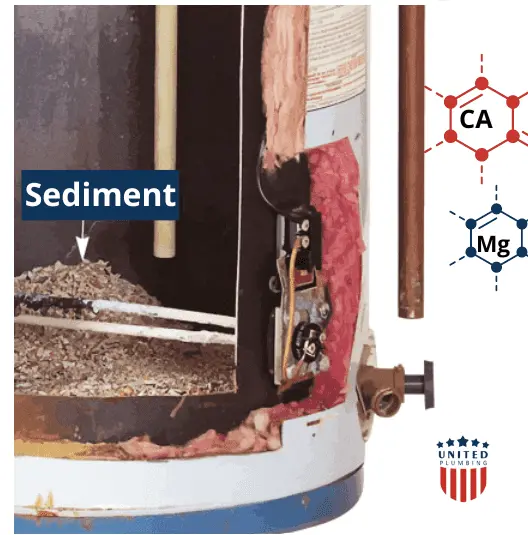
Hard water contains high levels of minerals like calcium and magnesium. These minerals settle at the bottom of the tank. Over time, they form thick layers of sediment. This buildup reduces heat transfer and wastes energy.
Mineral Deposits
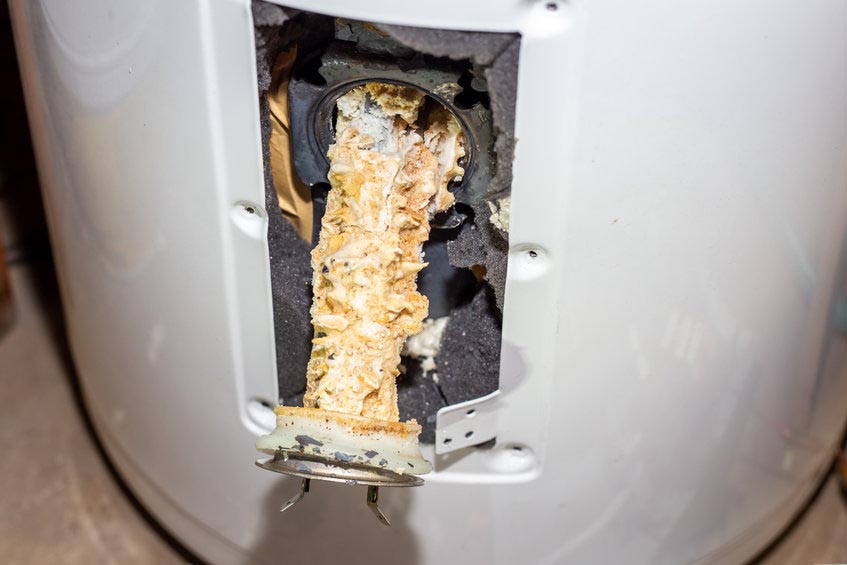
Mineral deposits come from dissolved solids in water. As water heats, minerals separate and stick to the tank’s interior. These deposits create a crust that blocks water flow. This causes the heater to work harder and wear out faster.
Rust And Corrosion
Rust forms when metal parts react with water and oxygen. Corrosion breaks down the tank’s metal surface. Rust particles mix with water and settle as sediment. This weakens the tank and can cause leaks or failure.
Infrequent Maintenance
Skipping regular maintenance lets sediment pile up unnoticed. Draining and flushing the tank removes buildup. Without this care, sediment thickens and causes problems. Regular cleaning keeps the heater running well and saves money.

Credit: drftps.com
Risks Of Sediment Accumulation
Sediment buildup in water heaters can cause serious problems. Over time, minerals and debris collect at the bottom of the tank. This buildup affects how the heater works and can lead to costly repairs. Understanding the risks helps you keep your water heater safe and efficient.
Reduced Efficiency
Sediment layers block heat transfer inside the tank. The heater uses more energy to warm water. Hot water takes longer to reach your taps. This makes your water heater work harder than needed.
Higher Energy Bills
More energy use means higher monthly bills. Sediment buildup forces the heater to run longer. This wastes electricity or gas. Over time, the extra cost adds up. Your budget feels the impact of poor maintenance.
Damage To Heater Components
Hard sediment can scratch or wear down parts. The heating element may break or corrode faster. Sediment can clog valves and pipes. Repairs or replacements become necessary sooner. This shortens the water heater’s lifespan.
Potential Safety Hazards
Excessive sediment creates hot spots inside the tank. Pressure may build up and cause leaks or bursts. Faulty parts increase the risk of fire or gas leaks. Ignoring sediment buildup endangers your home and family. Regular cleaning reduces these dangers.
Signs Of Sediment Build Up
Sediment build-up in a water heater can cause several problems. It reduces efficiency and may damage the unit. Recognizing the signs early helps avoid costly repairs and keeps your hot water flowing smoothly.
Strange Noises
Hearing popping, crackling, or rumbling sounds from your water heater? These noises often mean sediment is trapped at the tank’s bottom. Water heats unevenly around the sediment, causing noise. Ignoring these sounds can lead to more damage.
Discolored Water
Is your hot water rusty or cloudy? Sediment contains minerals and rust that can discolor water. This can stain clothes and dishes. Clear cold water but dirty hot water is a key sign of sediment build-up.
Fluctuating Water Temperature
Does your hot water suddenly get cold or very hot? Sediment blocks heat transfer, causing inconsistent water temperature. This means your water heater works harder and wastes energy. Uneven heat is a warning sign to act fast.
Slow Hot Water Delivery
Waiting too long for hot water? Sediment reduces tank space and clogs pipes. This slows down hot water flow to taps and showers. Slow delivery can frustrate daily routines and signal sediment issues inside the heater.
Credit: www.tyosa.es
Simple Fixes For Sediment Problems
Water heater sediment build-up causes many problems. It lowers the heater’s efficiency. It can also cause noises and damage the tank. Simple fixes can help keep your water heater working well. These fixes save money and extend the heater’s life.
Flushing The Tank
Flushing removes sediment from the bottom of the tank. Start by turning off the power or gas. Attach a hose to the drain valve. Drain water until it runs clear. Flushing should happen once or twice a year. It helps the heater work better and last longer.
Installing A Water Softener
Hard water causes more sediment build-up. A water softener reduces minerals in the water. Soft water means less scale and sediment inside the tank. Installing a softener protects your heater and plumbing. It also improves water quality for your home.
Regular Maintenance Schedule
Set a schedule for regular checks and cleaning. Inspect the tank and valves every six months. Look for leaks, rust, or sediment. Clean the tank and flush as needed. Regular care keeps the heater safe and efficient. It stops small problems from getting worse.
Replacing Anode Rods
Anode rods attract minerals and stop tank corrosion. Over time, rods wear out and need replacement. Check the rods yearly and replace if worn. New rods protect the tank from rust and damage. This simple step helps prevent leaks and extends tank life.
Preventive Measures
Preventing sediment build-up in your water heater saves money and extends its life. Simple steps help keep your water heater clean and working well. Regular care stops hard water minerals and debris from causing damage. Follow these key measures to maintain your water heater’s performance.
Water Quality Testing
Test your water for minerals and sediments often. Hard water has more minerals that cause build-up. Knowing your water quality helps choose the right treatment. Use water softeners if minerals are too high. This reduces sediment and protects your water heater.
Routine Inspections
Check your water heater regularly for signs of sediment. Look for noises, less hot water, or leaks. Draining a few gallons yearly removes settled sediment. This simple task keeps the tank clean and efficient. Early checks prevent costly repairs and extend heater life.
Professional Servicing
Hire experts to service your water heater every year. Professionals flush out sediment and inspect all parts. They spot problems before they become serious. Regular servicing keeps your heater safe and efficient. It also ensures the warranty stays valid.
Upgrading To Sediment-resistant Models
Consider water heaters designed to resist sediment build-up. New models use materials that reduce deposits. They have better drainage and easier maintenance features. Upgrading can lower cleaning needs and improve efficiency. Choose models that fit your water quality for best results.
Frequently Asked Questions
What Causes Water Heater Sediment Build Up?
Sediment builds up when minerals in hard water settle at the tank’s bottom. Over time, this layer thickens, reducing efficiency and causing damage.
How Does Sediment Affect Water Heater Performance?
Sediment lowers heating efficiency, causes noise, and shortens the heater’s lifespan. It can also lead to uneven water temperature and increased energy bills.
How Often Should I Flush My Water Heater?
Flush your water heater once a year to remove sediment. Regular flushing maintains efficiency, prevents damage, and extends the unit’s life.
Can Sediment Buildup Cause Water Heater Leaks?
Yes, sediment traps heat, causing tank overheating and corrosion. This damage may lead to leaks and costly repairs or replacement.
Conclusion
Sediment build-up can harm your water heater’s performance. It causes noise, reduces heat efficiency, and shortens lifespan. Cleaning your tank regularly helps keep it working well. Flushing the heater removes sediment and prevents problems. Check your water heater every few months for signs of build-up.
Taking simple steps saves money on repairs and energy bills. Clean water heaters give better hot water and last longer. Don’t wait for issues—maintain your heater to enjoy reliable warmth daily. Easy care means peace of mind and comfort in your home.