
Choosing the right water heater size can save you money, energy, and a lot of frustration. If your water heater is too small, you’ll run out of hot water when you need it most.
Too big, and you’ll waste energy and pay higher bills. But how do you find the perfect fit for your home? That’s where a water heater size calculator comes in. This simple tool helps you figure out exactly what size water heater matches your daily needs.
Keep reading, and you’ll learn how to make the smartest choice for your comfort and budget.
Page Contents
Why Size Matters
Choosing the right water heater size matters a lot. A correct size ensures comfort and saves money. It helps your home get enough hot water without wasting energy. Too small or too big water heaters cause problems that affect your daily life and bills.
Impact On Energy Efficiency
Water heaters that are too large waste energy by heating more water than needed. This extra heating raises your electricity or gas bills. A properly sized heater uses energy only for the water you need. This reduces waste and lowers your monthly bills. Efficient water heating helps the environment by saving energy.
Avoiding Hot Water Shortages
A small water heater runs out of hot water quickly. Your family may face cold showers or delays. A big water heater provides enough hot water for everyone. It keeps water ready even during busy times. The right size keeps your home comfortable and avoids interruptions.
Cost Implications
Buying a water heater too large costs more upfront. It uses more energy, increasing bills over time. A small heater costs less but may need replacement sooner. It might also cause extra plumbing repairs. Picking the right size saves money on purchase and use. It is a smart financial choice.
Types Of Water Heaters
Choosing the right water heater depends on understanding the types available. Each type works differently and suits different needs. Knowing the options helps pick the best size and style for your home. This guide explains the main types of water heaters to help you decide.
Tank Water Heaters
Tank water heaters store hot water in a large tank. The tank keeps water warm for use anytime. They are common and usually cost less upfront. These heaters use gas or electricity to heat the water. They can run out of hot water after heavy use. The tank size affects how much hot water is ready.
Tankless Water Heaters
Tankless water heaters heat water only when needed. They do not store water in a tank. Water flows through the heater and warms instantly. This saves energy because there is no standby heat loss. These heaters are smaller and save space. They provide endless hot water but may need a bigger unit for multiple uses at once.
Heat Pump Water Heaters
Heat pump water heaters move heat from the air to warm water. They use electricity but are very energy-efficient. These heaters work best in warm places with good airflow. They take longer to heat water than other types. Heat pumps save money over time by using less energy.
Solar Water Heaters
Solar water heaters use the sun’s energy to heat water. They have solar panels that collect sunlight and transfer heat to water. These systems reduce electricity or gas use. Solar heaters need good sunlight to work well. They have higher upfront costs but lower operating costs. Solar water heaters are eco-friendly and save energy.
Key Factors To Consider
Choosing the right water heater size is important for comfort and efficiency. Several key factors affect the size you need. Understanding these helps you pick the best option. It also saves energy and reduces costs.
Household Size And Usage
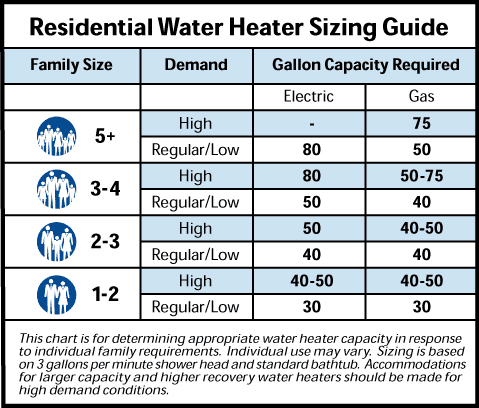
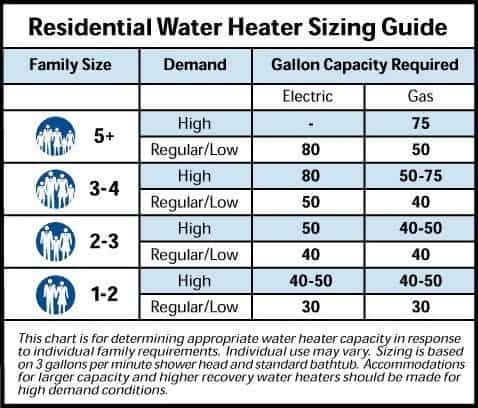
The number of people in your home affects hot water needs. More family members mean more water used daily. Think about how many showers, dishes, and laundry loads happen each day. This helps estimate the right heater size.
Peak Hour Demand
Peak hour demand means the time when hot water use is highest. Usually, mornings and evenings. Knowing this helps find a heater that can supply enough hot water at once. It prevents running out of hot water during busy times.
Water Temperature Rise
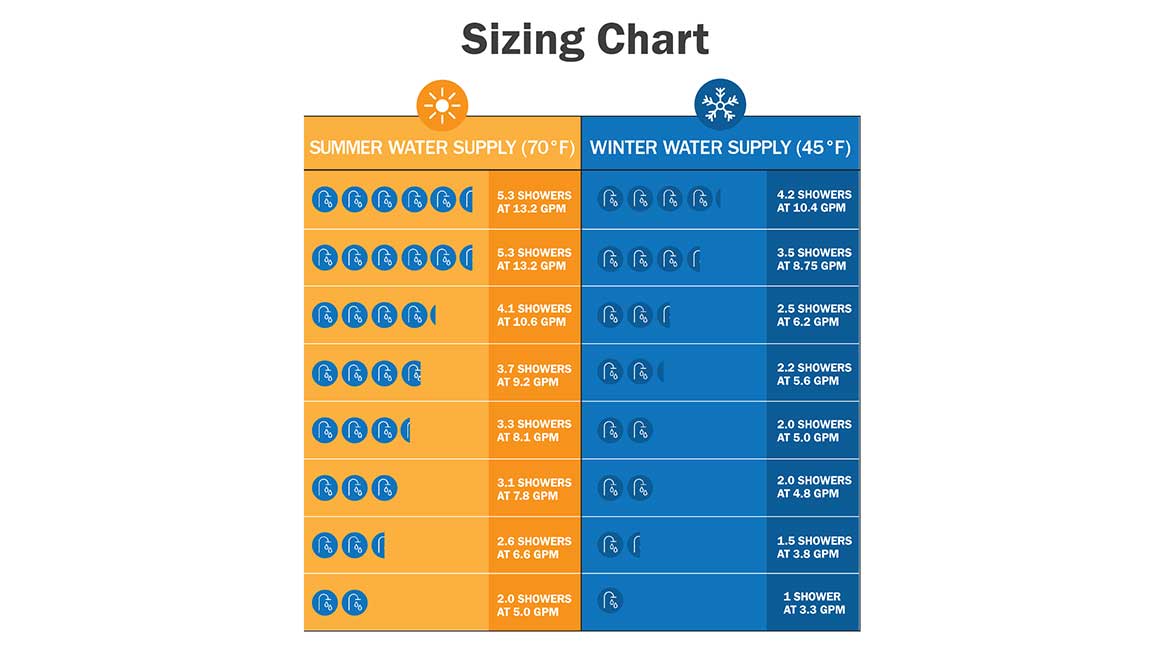
Water temperature rise is the difference between incoming water and desired hot water. If water is colder, the heater must work harder. This affects the size and power of the heater needed to reach the right temperature.
Available Space
Space where you install the heater matters. Some heaters are large and need more room. Others are compact and fit small spaces. Check the area before choosing a size to ensure a proper fit.
Credit: salubrista.udea.edu.co
How To Calculate Size
Choosing the right water heater size is important for comfort and saving energy. The size depends on how much hot water your household uses and how fast you need it. This section shows how to calculate the size to fit your needs.
Estimating Daily Water Usage
Start by figuring out how much hot water your home uses each day. Think about showers, washing dishes, laundry, and other tasks. On average, a person uses 20 to 30 gallons of hot water daily. Multiply this by the number of people in your home to get the total daily usage.
Calculating First Hour Rating
The first hour rating (FHR) shows how much hot water the heater can supply in one hour. This number matters for busy times like mornings. Add the gallons used in the first hour of peak demand. Check the heater’s FHR to ensure it meets or exceeds this need.
Matching Heater Capacity
After knowing daily usage and FHR, pick a water heater that fits these numbers. The tank size should hold enough water to meet your peak demand. A properly sized heater keeps water hot without wasting energy or running out too fast.
Using Online Calculators
Using an online water heater size calculator makes choosing the right unit simple. These tools help estimate the needed capacity based on your household needs. They save time and reduce guesswork in selecting a water heater.
Input Requirements
Most calculators ask for basic information. You enter the number of people in your home. They also ask about the number of bathrooms. Some tools request details on your typical water usage. This includes showers, dishwashers, and washing machines. Providing accurate data ensures better results.
Interpreting Results
The calculator usually shows the recommended tank size. It may also suggest the type of water heater. Look at the capacity in gallons or liters. Use this to compare different models. The result helps avoid buying too small or too large a unit.
Limitations To Watch For
Online calculators offer estimates, not exact answers. They may not consider all unique household factors. Some do not account for peak usage times. Calculator results should guide your choice, not decide it. Consult a professional if unsure.
Credit: phdplumbing.net
Tips For Choosing The Right Size
Choosing the right size for your water heater is important. A properly sized unit saves energy and provides enough hot water. Too small a heater runs out quickly. Too large one wastes energy and money. Use these tips to find the best fit.
Balancing Capacity And Efficiency
Select a water heater that matches your daily needs. A unit with enough capacity avoids running out of hot water. At the same time, it should not be too large. Oversized heaters use more energy to keep water hot. Find the balance to save money and energy.
Considering Future Needs
Think about changes in your household. More family members or guests mean more hot water. Plan for growth to avoid buying a new heater soon. Choose a size that covers future needs without wasting resources.
Professional Consultation
Ask a plumber or expert for advice. They measure your home’s water use and space. Experts help pick the right size and type. Their knowledge prevents costly mistakes and ensures comfort.
Common Mistakes To Avoid
Choosing the right water heater size is important for saving money and energy. Many people make simple mistakes that cause problems later. Avoid these common errors to get the best water heater for your home.
Oversizing And Undersizing
Picking a water heater too big wastes energy and money. It heats more water than needed. This raises your utility bills. Too small a heater means running out of hot water fast. You will feel uncomfortable and frustrated. Use a size calculator to find the right fit for your needs.
Ignoring Energy Ratings
Energy ratings show how efficient a water heater is. Ignoring these can lead to high energy costs. Choose a model with a good energy rating to save on bills. Efficient heaters also reduce your home’s environmental impact. Always check the energy label before buying.
Neglecting Maintenance
Regular maintenance keeps your water heater working well. Neglecting it can cause breakdowns and shorten its life. Flush the tank yearly to remove sediment. Check the pressure valve and thermostat. Simple care helps your heater last longer and run safely.
Credit: www.coppertreepartners.com
Frequently Asked Questions
What Is A Water Heater Size Calculator?
A water heater size calculator estimates the ideal tank capacity. It considers family size, peak water usage, and appliance needs. This helps avoid buying an undersized or oversized heater, saving energy and cost.
How Do I Determine My Water Heater Size?
Calculate total daily hot water use, then match it to tank capacity. Use a calculator tool to input family members and usage habits. This ensures efficient heating and prevents running out of hot water.
Why Is Choosing The Correct Water Heater Size Important?
The right size ensures sufficient hot water supply without wasting energy. Oversized heaters consume more power, while undersized ones run out quickly. Proper sizing improves comfort, reduces utility bills, and extends heater lifespan.
Can A Water Heater Size Calculator Save Money?
Yes, it helps select the perfect heater size, reducing energy waste. Accurate sizing lowers monthly utility bills and maintenance costs. It also prevents frequent repairs due to improper load handling.
Conclusion
Choosing the right water heater size saves energy and money. A proper fit ensures enough hot water for your needs. Avoid buying too large or too small a unit. Use the water heater size calculator to guide your choice. It helps balance comfort and efficiency easily.
Trust simple math to make your home better. Start with the calculator, then pick the best model. Good sizing means fewer problems and longer heater life. Keep your home warm and your bills low.