Your water heater is supposed to make your life easier, but what happens when it suddenly turns your showers into scalding experiences? If you’ve ever felt a sudden blast of heat that leaves you jumping out of the way, you’re not alone.
This unexpected change can be more than just uncomfortable—it might be a sign of a serious problem. Imagine stepping into what you expect to be a relaxing shower, only to find yourself dodging dangerously hot water. It’s frustrating and can even be hazardous.
But before you start worrying about costly repairs or potential damage, let’s explore why this happens and how you can fix it. Understanding the root of the issue could save you time, money, and a lot of stress. Stay with us as we delve into the common causes of this problem, and discover simple solutions that might just have you breathing a sigh of relief.
Page Contents
Common Causes Of Overheating
Experiencing a water heater that’s suddenly too hot can be alarming. It not only affects your comfort but poses safety risks. Understanding the common causes of overheating helps address the issue efficiently.
Thermostat Malfunction
A thermostat regulates water temperature in the heater. If it malfunctions, it may not stop heating once the desired temperature is reached. This can lead to excessively hot water. Checking and replacing a faulty thermostat often resolves the problem.
Sediment Build-up
Over time, minerals in water can settle at the bottom of the tank. This sediment reduces efficiency and can lead to overheating. It insulates the heating element, causing it to work harder. Regular maintenance helps prevent sediment accumulation.
Faulty Heating Element
The heating element warms the water inside the tank. If it becomes faulty, it might overheat the water. A damaged element can lose control over the heating process. Inspecting the heating element and replacing it if necessary ensures optimal performance.

Credit: hamco.ca
Safety Precautions
Monitor your water heater’s settings to avoid burns from sudden temperature spikes. Regularly check the thermostat for malfunctions. Installing a temperature and pressure relief valve can enhance safety and prevent accidents.
When your water heater suddenly becomes too hot, it’s not just an inconvenience—it’s a potential safety hazard. It’s crucial to take immediate action to ensure your safety and prevent damage to your home. Let’s dive into the essential safety precautions you should follow.Turning Off Power Supply
First things first, switch off the power supply to the water heater. If it’s electric, find the circuit breaker and flip it to the “off” position. For gas heaters, turn off the gas supply valve to stop the flow of gas. This step is vital to prevent any accidents or further overheating. Have you ever turned off a heater only to feel the intense heat radiating from it? That’s a sign you did the right thing by cutting off the power.Checking For Leaks
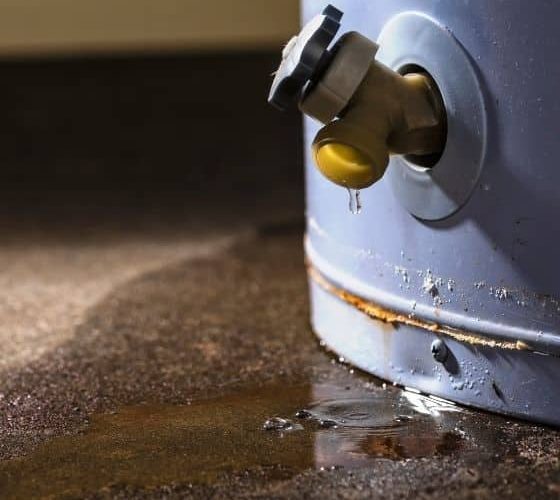
Next, inspect your water heater for any signs of leaks. Check around the base and the pipes connected to the heater. If you spot any water pooling, it might indicate a serious issue that needs professional attention. Leaks can cause water damage, and if left unaddressed, they can escalate into more significant problems. Have you noticed a small puddle near your heater? Don’t dismiss it as minor—it could be the first sign of a bigger issue.Monitoring Temperature
Keep an eye on the water temperature. Use a thermometer to measure the water from the tap closest to the heater. Ideally, it should be around 120 degrees Fahrenheit. If it’s significantly higher, it indicates a malfunction that needs fixing. Adjusting the thermostat may help temporarily, but consider reaching out to a professional for a thorough check. How often do you monitor your heater’s temperature? Regular checks can prevent surprises and keep your home safe. Taking these safety precautions seriously can protect your home and family. Address issues promptly to ensure your water heater operates safely and efficiently. Are there other safety tips you’ve found helpful? Share your experiences and keep the conversation going!Quick Fixes
Experiencing a water heater that suddenly gets too hot can be alarming. Fortunately, there are quick fixes to bring the temperature back to normal. Whether it’s adjusting the thermostat, flushing the tank, or replacing damaged parts, you can tackle these tasks without much hassle. Let’s explore these solutions to restore comfort and safety in your home.
Adjusting The Thermostat
The thermostat often controls the water temperature. If your water heater is too hot, check the thermostat setting. Lower it to your desired temperature. This adjustment can significantly reduce the water’s heat. Ensure the thermostat is not set above 120 degrees Fahrenheit. This temperature is safe and energy-efficient. Adjusting the thermostat is a simple yet effective solution.
Flushing The Tank
Mineral deposits build up inside the tank over time. These deposits can cause the heater to overheat. Flushing the tank helps remove these sediments. Turn off the power and water supply before starting. Attach a hose to the drain valve and direct the water outside or into a bucket. Open the valve and let the water flow out. Doing this once a year maintains the heater’s efficiency.
Replacing Damaged Parts
Sometimes, faulty parts lead to overheating. Inspect the heater for any damaged components. Common issues include broken thermostat or heating elements. Replace these parts if necessary. Consult the heater’s manual for guidance. If unsure, seek professional help. Replacing damaged parts ensures your heater works smoothly.
Long-term Solutions
Experiencing excessively hot water from your heater? Consider adjusting the thermostat settings or installing a mixing valve. These solutions help regulate temperature and ensure safe, consistent hot water flow. Regular maintenance also prevents potential issues, promoting long-term efficiency.
When your water heater suddenly becomes too hot, it can be more than just a mild inconvenience. It’s a problem that needs addressing to ensure safety and comfort in your home. While quick fixes might provide temporary relief, the real game-changer lies in adopting long-term solutions that prevent the issue from recurring. So, what can you do to maintain a consistent and safe water temperature? Let’s dive into some practical strategies.Regular Maintenance Tips
Regular maintenance is the cornerstone of a well-functioning water heater. Start by checking the thermostat settings to ensure they haven’t been accidentally adjusted. The ideal setting is typically around 120°F to prevent scalding. Inspect your water heater for sediment buildup. This can insulate the heating element, causing overheating. Flushing the tank annually can help maintain efficiency and extend the heater’s life. Replace worn-out parts like the pressure relief valve. This small component plays a crucial role in preventing excessive pressure buildup. Simple maintenance actions like these can significantly reduce the risk of overheating.Upgrading To Smart Thermostats
Consider upgrading to a smart thermostat for your water heater. These devices offer precise temperature control, learning your usage patterns and adjusting accordingly. They can prevent overheating by automatically lowering the temperature during low usage periods. Smart thermostats often come with mobile apps. You can monitor and adjust your water heater’s settings remotely. This feature gives you peace of mind and control, even when you’re not home. Installing a smart thermostat might seem like an investment, but the energy savings and added safety make it worthwhile. Have you ever thought about how much energy and money you could save with smarter technology?Consulting Professional Services
Sometimes, professional help is the best route to take. If your water heater consistently overheats despite your efforts, it might be time to call in a professional. They can diagnose complex issues that might not be apparent to the untrained eye. A professional technician can inspect the electrical connections and components. They’ll ensure everything is working as it should. Regular professional inspections can prevent minor issues from turning into costly repairs. Finally, consider scheduling annual check-ups with a trusted plumber. This proactive approach ensures your water heater remains in optimal condition, providing you with peace of mind and consistent comfort. Have you scheduled your annual check-up yet?Preventive Measures
When your water heater suddenly becomes too hot, it’s more than just uncomfortable. It can lead to safety hazards and potential damage to your plumbing system. Taking preventive measures ensures that you avoid these issues and maintain a safe and efficient home environment. Let’s look at some practical steps you can take.
Routine Inspections
Imagine waking up to a scalding shower. It’s not the best way to start your day, right? Regular inspections can prevent this. Check your water heater every few months. Look for leaks, rust, or unusual noises. These are signs that something might be wrong. If you’re unsure what to look for, consider hiring a professional.
Temperature Settings
Have you ever adjusted your thermostat without thinking? Your water heater’s temperature settings deserve similar attention. Set it to 120 degrees Fahrenheit. This temperature balances safety and energy efficiency. If the water is still too hot, a faulty thermostat might be the issue.
Water Quality Checks
Did you know poor water quality can affect your heater’s performance? Hard water, filled with minerals, can build up inside your heater. This buildup can make your heater work harder and produce hotter water. Use water softeners or filters to improve water quality. Regularly clean your water heater to reduce mineral deposits.
Taking these steps can save you from unexpected hot water surprises. Have you checked your water heater lately? These measures are small but essential in keeping your home safe and comfortable. Implement them today and enjoy peace of mind tomorrow.
Credit: greensafaris.com

Credit: www.drhvac.ca
Frequently Asked Questions
Why Is My Water Getting So Hot All Of A Sudden?
Your water may be too hot due to a malfunctioning thermostat, sediment buildup, or high water heater setting. Check thermostat settings and inspect for sediment. Adjust water heater temperature to a safe level if needed. Consider professional inspection for persistent issues.
How Do I Fix My Water Heater From Overheating?
Turn off the power supply to the water heater. Adjust the thermostat to a lower setting. Check for faulty thermostats or heating elements. If issues persist, consult a professional plumber for repairs. Regular maintenance can prevent overheating problems.
What Happens If Your Water Heater Temperature Is Too High?
High water heater temperature can cause burns and increase energy bills. It may also damage the heater itself. Adjusting to a safe level prevents these risks, ensuring safety and efficiency. Regular maintenance can help keep the temperature in check and extend the heater’s lifespan.
Why Does My Shower Randomly Get Super Hot?
A sudden hot shower may be due to a faulty mixing valve or fluctuating water pressure. Check for issues with your plumbing system. Installing a pressure-balancing valve can help maintain consistent water temperature. Regular maintenance prevents unexpected temperature changes.
Conclusion
Fixing a too-hot water heater is crucial for safety. First, check the thermostat setting. It should be between 120-140 degrees Fahrenheit. Lower it if needed. Listen for unusual noises. They might indicate a problem. Sediment buildup can cause overheating. Flushing the tank can help.
Also, inspect the pressure relief valve. It must work properly to avoid danger. If problems persist, call a professional. Ensuring your water heater functions properly saves money and prevents accidents. Stay safe and comfortable at home. Regular maintenance makes a big difference.
Keep your water heater in top shape.